Red meat allergy rises with ticks as HHS targets Lyme disease, alpha-gal syndrome
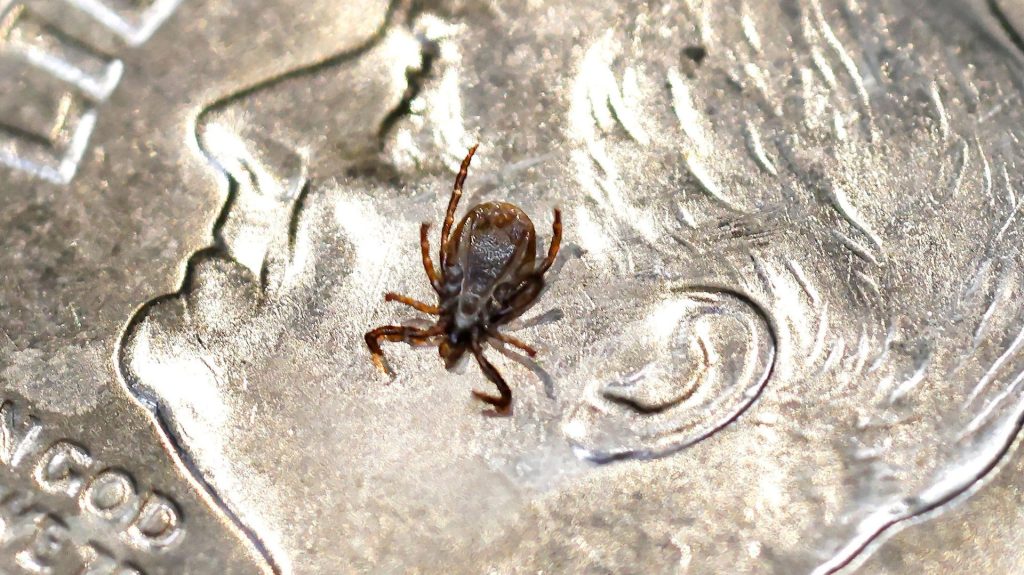
The U.S. Department of Health and Human Services announced a federal initiative to combat Lyme disease and other tick-borne illnesses. The announcement comes as officials warned that tick activity is already rising earlier than usual this year.
Health and Human Services Secretary Robert F. Kennedy Jr. unveiled a plan in New Hampshire, one of the states hardest hit by Lyme disease.
“Millions of Americans battling Lyme disease and other tick-borne illnesses have spent years searching for answers, treatment and support,” Kennedy said in a statement.
The announcement comes as Lyme disease remains one of the nation’s fastest-growing insect-transmitted threats. Federal officials estimate that more than 476,000 Americans are diagnosed with the illness each year.
At the center of the new plan is a multi-million-dollar pilot program led by the Centers for Disease Control and Prevention aimed at reducing tick populations before they can spread disease to humans. The effort will focus on targeting ticks on wildlife and disrupting their breeding cycles, with initial work beginning in New England. The department has set a goal of reducing Lyme disease cases by 25% by 2035, compared with 2022 levels.
Federal officials are also addressing concerns about alpha-gal syndrome, a tick-related condition that can trigger allergic reactions to red meat and other animal products. The condition occurs when a tick transmits a sugar molecule into the bloodstream, prompting an immune response after exposure to certain foods.
Health authorities estimate that hundreds of thousands of Americans may be affected, though the exact number remains uncertain. Symptoms can range from mild reactions to severe, potentially life-threatening responses.
As part of the effort, HHS is exploring partnerships with private companies to study potential products that could help prevent alpha-gal syndrome following tick bites.
The timing of the initiative coincides with an early start to tick season. Federal data shows emergency room visits for tick bites are at their highest springtime levels in nearly a decade, with activity beginning weeks earlier than typical.
Researchers say weather patterns are likely contributing to the trend. Warmer conditions following a cold winter can trigger earlier tick activity, increasing the chances of human exposure. Smaller juvenile ticks, which are harder to detect and responsible for most infections, typically become more active in late spring and early summer.
Public health officials continue to emphasize personal protection measures, including the use of insect repellent, protective clothing and routine tick checks after spending time outdoors.
Round out your reading
- Tennessee officials will pay $835,000 for jailing man over Charlie Kirk meme.
- Why the immune system turns on women more often than men.
- More than 340 newspapers block the Wayback Machine. What that means for the future of the internet.
- Why Rep. Cohen filed articles of impeachment against Supreme Court Justice John Roberts.
- We’re building a new Straight Arrow. Help us shape our future by taking our survey.
Ella Rae Greene, Editor In Chief