US consumer sentiment hits another all-time low
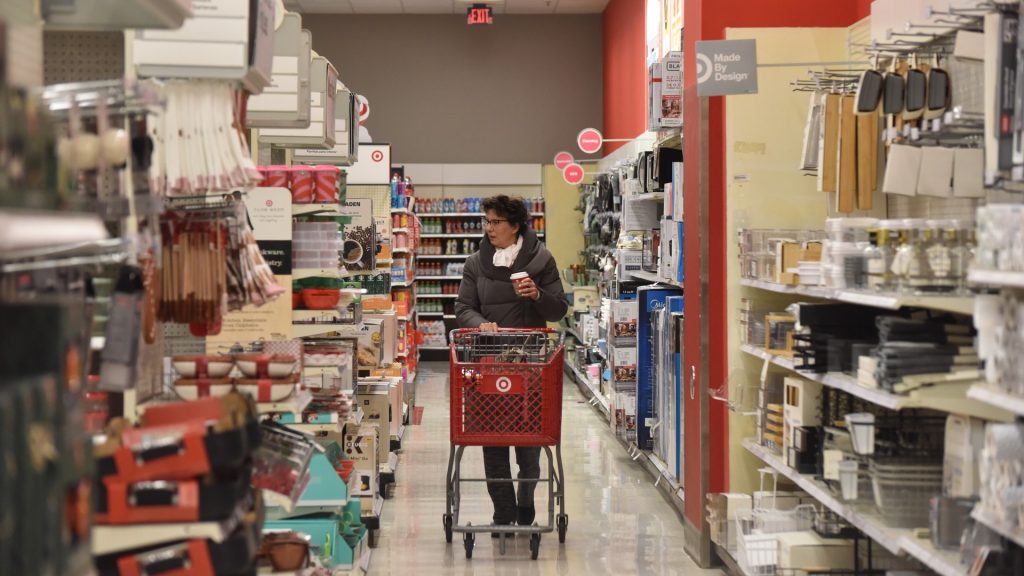
U.S. consumer sentiment has fallen to a new record low, according to the University of Michigan’s latest consumer survey released Friday.
The consumer sentiment index fell to 48.2 in preliminary May data, signaling Americans’ deeply pessimistic views about their finances, prices and the broader economy.
This is the lowest reading since the monthly survey began in 1952. Consumer sentiment had previously reached its lowest point last month, dipping below levels seen during the Great Recession, the COVID-19 pandemic and other economic shocks.
Joanne Hsu, who directs the consumer survey, attributed this month’s drop to “a surge in concerns about high prices both for personal finances as well as buying conditions for major purchases.” Hsu wrote that “real income expectations continued a decline” and that about a third of consumers surveyed spontaneously mentioned gas prices and tariffs.
“Taken together, consumers continue to feel buffeted by cost pressures, led by soaring prices at the pump,” Hsu wrote. “Middle East developments are unlikely to meaningfully boost sentiment until supply disruptions have been fully resolved and energy prices fall.”
This long-running survey is closely followed by economists and policymakers.
Mark Zandi, chief economist at Moody’s Analytics, told Straight Arrow this month that record low consumer sentiment “makes the case that people are feeling pretty uncomfortable with what’s going on,” which could affect November’s midterm elections. He described last month’s survey results as “stark” and said they illustrate a growing anxiety that’s “affecting the collective psyche” of everyday Americans.
In a note shared with Straight Arrow, Oliver Allen, a senior economist at Pantheon Macroeconomics, wrote that “the recent resilience in consumers’ spending probably is on borrowed time.”
Allen wrote that U.S. consumers recently got a fleeting boost from strong tax refunds that has obscured a “looming drag from the hit to real incomes due to higher gas prices.” He expects consumer spending to drop substantially in May and June.
Ella Rae Greene, Editor In Chief