Afroman rapped about a raid on his home. A jury will decide whether he defamed the police
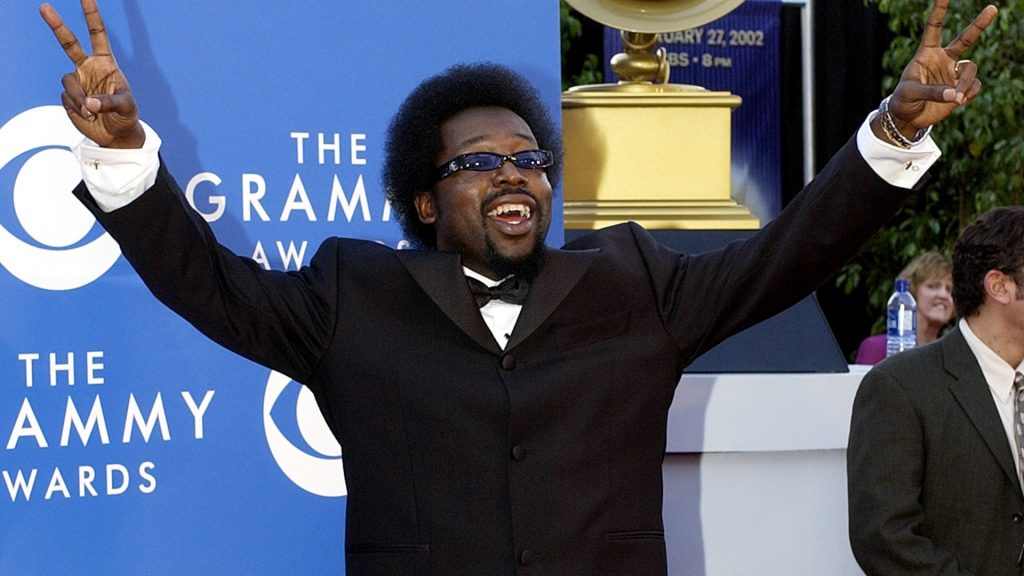
In August 2022, heavily armed sheriff’s deputies in Adams County, Ohio, broke down the door at the rapper Afroman’s home, searching for drugs on the word of a confidential informant. They found nothing, and no charges were filed. But Afroman used footage from his own security cameras and from his wife in a video for a song he wrote about the incident, “Lemon Pound Cake.”
On Monday, the seven deputies met Afroman in court, where they are suing him for defamation and invasion of privacy over the viral video, which shows one deputy apparently ogling a lemon pound cake made by Afroman’s mother. The trial began after the 51-year-old rapper — whose real name is Joseph Foreman — released another set of music videos about the case, including one called “Will You Help Me Repair My Door.”
The deputies say Foreman subjected them to public scrutiny and death threats by featuring them in the videos and by using their images on T-shirts and social media posts, according to Adams County Common Pleas court records. The sheriff’s office has not publicly commented on the litigation or Foreman’s songs.
“As a further result of Defendants’ actions, Plaintiffs have been subjected to threats, including death threats, by anonymous members of the public who have seen some of Defendant’s above-described postings,” according to court papers.
Jury selection began Monday, and the trial is expected to last four days, according to television station WCPO of Cincinnati.
Foreman is perhaps most famous for the 2000 song “Because I Got High,” which begins:
Roll another blunt
Yeah (ooh-ooh-ooh)
(La-la-ta, ta-ta-ra-ra)
(La, ta, ta)
(La-la-la-la, la-la-la, la-la-la-la)
He says he made art out of the raid at his Winchester, Ohio, home. In court records, he contends he was exercising his right to free speech, and he says police officers know that when they enter a home, they could be captured on surveillance cameras. The American Civil Liberties Union (ACLU) intervened in the lawsuit, arguing that officers weren’t alleging damages to their character, but attempting to stifle criticism.
“Conceptually, their allegations run afoul of a much deeper principle: There is nothing the First Amendment protects more jealously than criticism of public officials on a matter of public concern,” the ACLU said.
Rapper drops videos ahead of trial
Several of the officers’ initial claims were struck from the lawsuit as retired Judge Jerry McBride ruled the officers had to expect they could face criticism or commentary for their jobs as public servants. He also said citizens have a First Amendment right to make statements regarding a public official’s “fitness for office.”
The lawsuit will still proceed on claims that Foreman defamed the deputies and created unreasonable publicity about their private lives.
Even with the trial date approaching, Foreman was undeterred. He released several videos on YouTube singing about his First Amendment rights, targeting officers Shawn Cooley, Lisa Phillips, Randy Walters and Brian Newland.
“They vandalize my property, my money came up short,” he sang while wearing an American flag suit and walking on a farm. “They disconnect my cameras because they are a poor sport.”
The video showed footage from Foreman’s security system, clips from television stations’ coverage of the case and allegations of criminal misconduct against the officers.
The Foundation for Individual Rights and Expression said in 2023 a verdict against Foreman would be “chilling,” sending a message that he doesn’t have a right to dispute findings of a police department.
“The officers have an uphill battle,” the organization said. “Afroman’s use of their images is infused with artistic expression, parody, and social commentary, and the court may decide that those elements are what give his merchandise value, not the officers’ ‘distinctive appearances.’”
Ella Rae Greene, Editor In Chief