Five states to begin blocking soda and candy from SNAP benefits
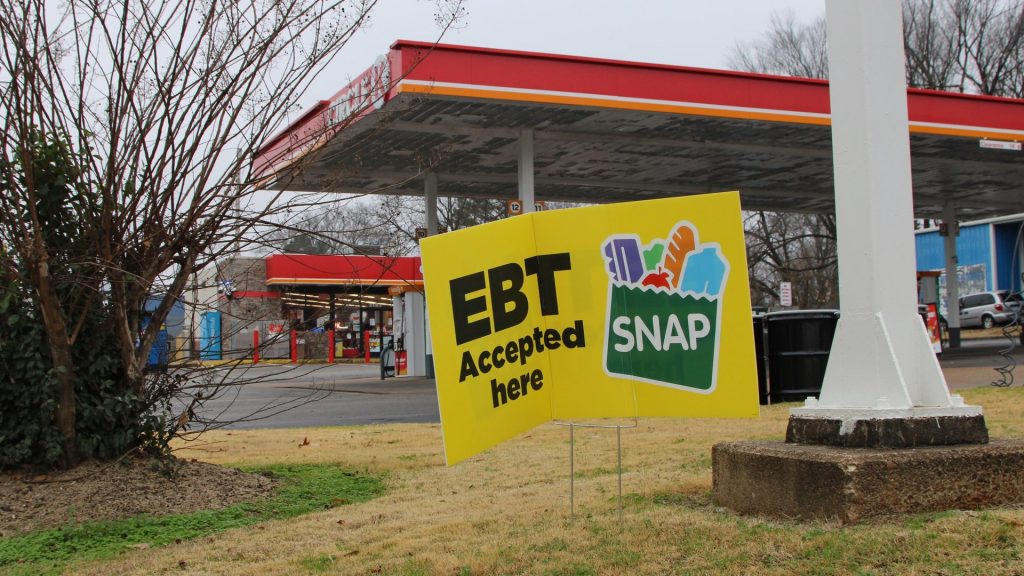
Starting Thursday, grocery shopping will look different for millions of Americans who rely on food assistance. Five states are rolling out new limits on what Supplemental Nutrition Assistance Program (SNAP) benefits can buy, including soda, candy and other sweetened foods, after securing federal waivers.
The changes mark the first wave of a broader push encouraged by the Trump administration to narrow how food stamp dollars can be used, with more states preparing to follow.
What’s changing and where
Indiana, Iowa, Nebraska, Utah and West Virginia are the first states to enforce the new SNAP restrictions. Together, the rules affect about 1.4 million people beginning Jan. 1, 2026.
Each state’s list is slightly different:
- Utah and West Virginia will block soda and soft drinks.
- Nebraska will prohibit soda and energy drinks.
- Indiana is targeting soft drinks and candy.
- Iowa has the broadest limits, restricting taxable foods, including soda, candy and some prepared items.
SNAP, formerly known as food stamps, serves about 42 million Americans nationwide and costs roughly $100 billion a year.
Why the restrictions are happening
The waivers are part of a coordinated effort by Health and Human Services Secretary Robert F. Kennedy Jr. and Agriculture Secretary Brooke Rollins, who argue that federal food assistance should not subsidize foods tied to obesity, diabetes and other chronic diseases.
“We cannot continue a system that forces taxpayers to fund programs that make people sick and then pay a second time to treat the illnesses those very programs help create,” Kennedy said in a statement last month.

Supporters say the goal is better health outcomes, not punishment.
Retailers warn of checkout confusion
Retail and grocery groups say the rollout could be rocky.
Industry officials warn that stores are facing technical hurdles at point-of-sale systems, with incomplete or unclear food lists that vary by state. The National Retail Federation predicts longer checkout lines and more disputes as shoppers discover restrictions in real time.
A report by grocery and retail trade groups estimates it will cost retailers $1.6 billion upfront to implement the changes, with hundreds of millions more each year to maintain them.

Health experts say the evidence is mixed
Unbiased. Straight Facts.TM
Sugary drinks are the leading source of added sugars in the American diet.

Nutrition researchers and anti-hunger advocates question whether restricting SNAP purchases actually improves diets.
Some studies suggest people simply shift spending rather than change eating habits. Others argue the policy ignores a deeper problem: healthy food is often more expensive and harder to access than processed alternatives.
“This doesn’t solve the two fundamental problems,” Anand Parekh of the University of Michigan School of Public Health told the AP. “Healthy food isn’t affordable enough, and unhealthy food is cheap and everywhere.”
Impact on SNAP recipients
Advocates also warn the changes could increase stigma for people using benefits. Marc Craig, a SNAP recipient in Iowa, told the AP the new rules make it harder to plan purchases and heighten anxiety at checkout, “They treat people that get food stamps like we’re not people.”
Each waiver will run for two years, with the option to extend for three more. States are required to study the impact before continuing.
The bigger picture
For decades, federal law allowed SNAP benefits to be used for nearly all food items except alcohol, tobacco and hot prepared meals. Past efforts to restrict purchases were rejected as too costly and too complicated.
That calculus has changed under the current administration, and with at least 18 states now seeking similar waivers, this may only be the beginning.
The post Five states to begin blocking soda and candy from SNAP benefits appeared first on Straight Arrow News.
Ella Rae Greene, Editor In Chief