HUD changes could endanger housing for 170,000 people
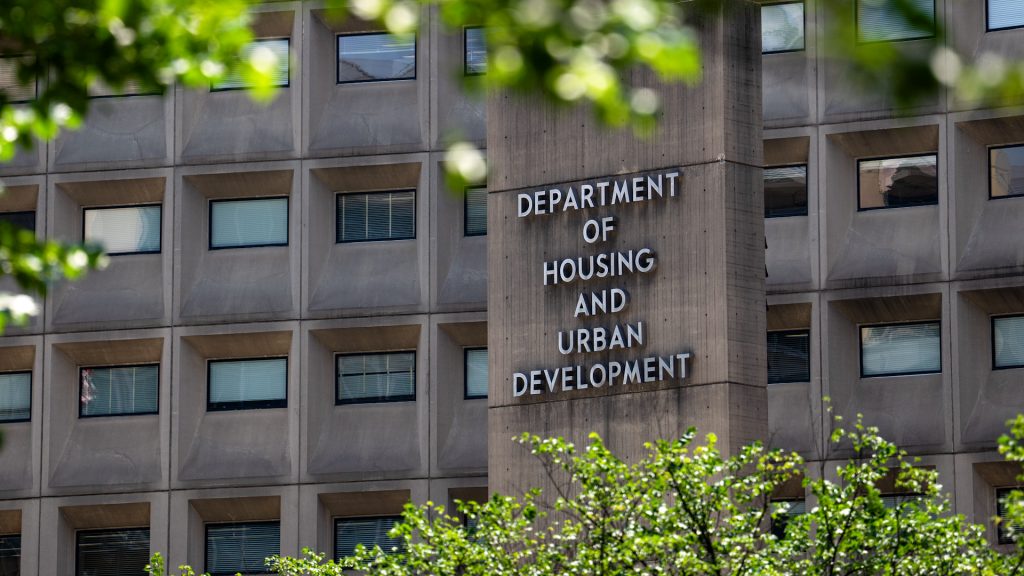
Federal housing officials released sweeping new rules that could change how thousands of communities receive and use federal homelessness funding. The U.S. Department of Housing and Urban Development (HUD) announced the updates for the 2025 Continuum of Care program, which is expected to award about $3.918 billion nationwide. The program is the largest federal funding source for homelessness assistance.
The Continuum of Care system supports hundreds of thousands of people, including older adults, people with disabilities, veterans and families seeking safe, stable housing. Because communities rely heavily on these grants, even small changes can alter how local systems operate.
Under previous rules, about 90% of each community’s funding was protected in Tier 1. This year, only 30% is guaranteed. The remaining 70% will be fully competitive, meaning communities that lose points in scoring risk losing programs they have relied on for years.
Permanent housing now capped at 30%
HUD also placed a new 30% cap on the amount of Continuum of Care funding that can be used for permanent supportive housing and rapid rehousing. Many communities depend on these models because research shows they lead to long-term housing stability.
According to the Urban Institute, permanent supportive housing reduces time spent unhoused, increases housing stability, decreases arrests and jail stays, reduces emergency room use, improves overall quality of life and lowers community rates of chronic homelessness.
By contrast, studies find transitional housing does not show the same benefits. People move into stable housing slower, are less likely to remain housed and often continue to rely on public assistance. Research has not found evidence that transitional housing reduces homelessness among people with long-term or repeated experiences.
HUD documents show the scale of the change. Nearly 87% of next year’s funding had been set aside for permanent housing. Under the new rules, permanent housing can receive no more than 30%. A HUD briefing estimates that about 170,000 people could face the risk of losing housing if these programs lose funding.
More programs must compete for funding
Most programs will now compete for funding, including youth housing projects and domestic violence programs that previously had additional protections. These projects will be ranked and scored alongside all other submissions.
HUD also added new eligibility criteria. A project may be denied funding if it uses racial preferences, applies definitions of sex outside a binary framework or engages in certain harm reduction practices.
Advocates raise concerns about timing
The National Low Income Housing Coalition said the timing of the notice may create funding gaps. Applications are due Jan. 14, but awards will not be issued until May. About one-third of current grants expire between January and June, meaning many programs could run out of money before renewal decisions are announced.
The organization says these gaps could lead to service reductions, temporary shutdowns and increases in homelessness if funding lapses. Research cited by the coalition shows that permanent housing with voluntary support services reduces homelessness more effectively than treatment-first models, which require service participation.
New scoring priorities and program requirements
HUD also adjusted its scoring priorities. Projects that require services, provide on-site treatment or work closely with law enforcement may receive higher scores. Communities may also earn points for enforcing local laws related to camping or illegal drug use.
Program expectations are also changing. Transitional housing must offer 40 hours of services weekly. Rapid rehousing programs must require services and track employment outcomes. New permanent supportive housing projects have to focus on older adults or people with physical disabilities and require service participation.
HUD also expanded its risk review process. Funding may now be denied based on inspector general findings, media reports or public complaints.
The post HUD changes could endanger housing for 170,000 people appeared first on Straight Arrow News.
Ella Rae Greene, Editor In Chief