International Energy Agency: Oil here to stay, solar to surge with power demand
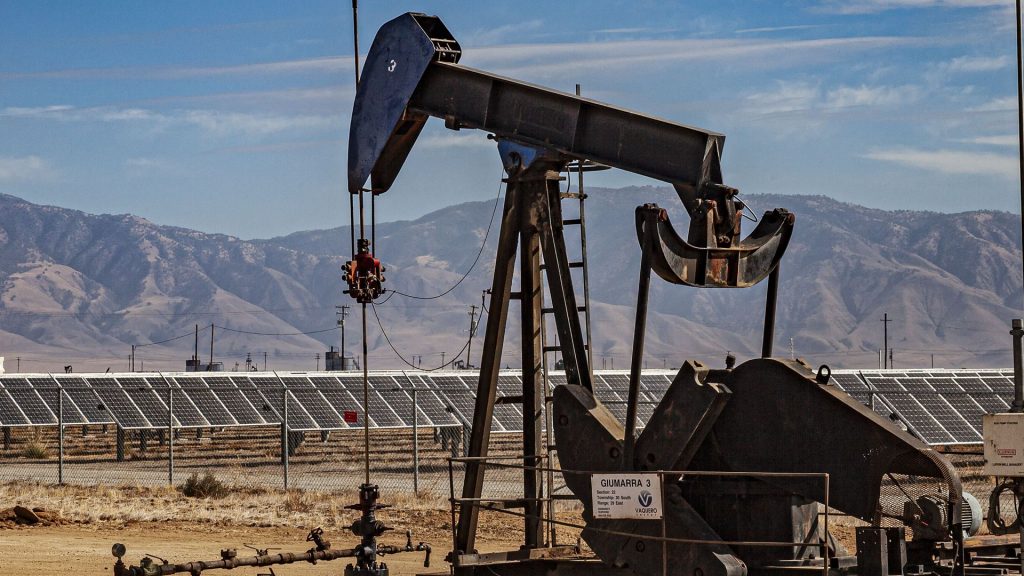
The International Energy Agency’s (IEA) highly anticipated World Energy Outlook 2025 points to a future of surging electricity demand, which will be met by increasing renewable energy capacity as coal declines. The IEA faced criticism over previous scenarios depicting a drop in oil demand, but this year’s report paints an unclear picture of when — or even if — oil demand will peak.
The IEA is a nonprofit watchdog group that works with governments and energy industry groups to publish data. The agency’s flagship World Energy Outlook has been published annually since 1998. The report lays out various scenarios of how much energy the world will need in the future and which resources will supply growing demand.
The 2025 report reflects shifting policies in the U.S. as the Trump administration canceled investments in renewable energy and incentives for electric vehicles while prioritizing oil and gas development, coal and nuclear power. The outlook suggests oil and gas will continue to be widely consumed even as solar grows faster than any other source of power.
Why did the International Energy Agency become controversial?
The report is not a definite forecast. Rather, it examines current and stated government and industry policies as well as key data, such as population growth and manufacturing figures, to project what the world’s energy landscape will look like in various scenarios.
In 2020, the agency introduced a scenario that prioritized reaching global net-zero greenhouse gas emissions by 2050. That scenario works backward from the endpoint of net-zero emissions, projecting how quickly the world must reduce consumption of oil, gas and coal while ramping up investments in renewable energy.
The 2020 World Energy Outlook also saw the elimination of the “Current Policy Scenario” (CPS), which projected the future energy landscape based on a continuation of the status quo. Critics cited the introduction of a net-zero scenario while ending the scenario based on current policies as evidence that the IEA was swayed by climate activists.
In a 2024 opinion piece in the Wall Street Journal, Bob McNally, who served as an energy adviser in the George W. Bush administration, described the IEA’s decisions as “capitulation to political pressure,” which he said “undermines energy security and borders on energy self-sabotage.”
This year, the agency brought back the current policy scenario — a move that was received positively by congressional Republicans. Earlier this month, the chairs of two energy committees in the House of Representatives penned a letter to the IEA’s executive director calling the return of the CPS a “course correction” that “will help restore the IEA’s credibility and impartiality.”
Will oil and coal consumption start to decline?
Over the years, there has been some “fair criticism” that the agency placed “too much emphasis on the full decarbonization scenario,” according to Jim Krane, a fellow for energy studies at Rice University’s Baker Institute for Public Policy, who was previously involved in peer reviewing the report.
However, Krane told Straight Arrow News that the agency is bound to receive criticism for any projection regarding when oil demand will peak.
“They’re wading into a pretty contentious topic,” which is a kind of “Rorschach test” for perspectives on the oil industry versus the growth of renewable energy, Krane told SAN.
In the 2025 World Energy Outlook, the agency’s CPS shows oil demand increasing through 2050. But in the Stated Policies Scenario (STEPS), which analyzes government policies that are planned but not necessarily in effect, oil demand is projected to peak around 2030, then flatline for the following two decades.
Both scenarios predict slowing demand for coal. Under current policies, the IEA predicts coal demand will start to decline before 2030. By 2035, the stated policy scenario says coal demand will have decreased by 20% worldwide.
How will the world meet surging electricity demand?
As coal fades as an electricity source, solar and other renewable energy technologies are picking up. And the world will need 40% more electricity by 2035, according to both current and stated policies.
The report declares “the age of electricity is here.” Surging electricity demand is driven by growth in artificial intelligence data centers, especially in North America, but that’s not the largest factor at play. Electric vehicles and heating are part of it, and one of the biggest contributors to future electricity demand will be an increased need for air conditioning, according to IEA.
“Climate change is driving a lot of that,” Krane said. This is happening, he said, as “lots of countries in really hot parts of the world” are seeing large numbers of people “moving into the middle class.”
A majority of new electricity demand will be met by renewable energy, the fastest growing source of power — led by solar. Although the IEA projects a slowdown in renewable growth in the U.S. due to Trump administration policies, the CPS shows that by 2050, more than half the world’s electricity needs will be met with solar, wind and hydroelectricity. In STEPS, the 50% milestone is achieved closer to 2035.
Natural gas is expected to increase its total capacity in both scenarios. But STEPS predicts that extra capacity will be used less often, resulting in a decrease in overall natural gas consumption. Nuclear power, on the other hand, increases across all metrics in both scenarios, but its resurgence accounts for a much smaller share of meeting new electricity demand compared to solar power.
The post International Energy Agency: Oil here to stay, solar to surge with power demand appeared first on Straight Arrow News.
Ella Rae Greene, Editor In Chief