Why a once-routine newborn shot is seeing rising refusals
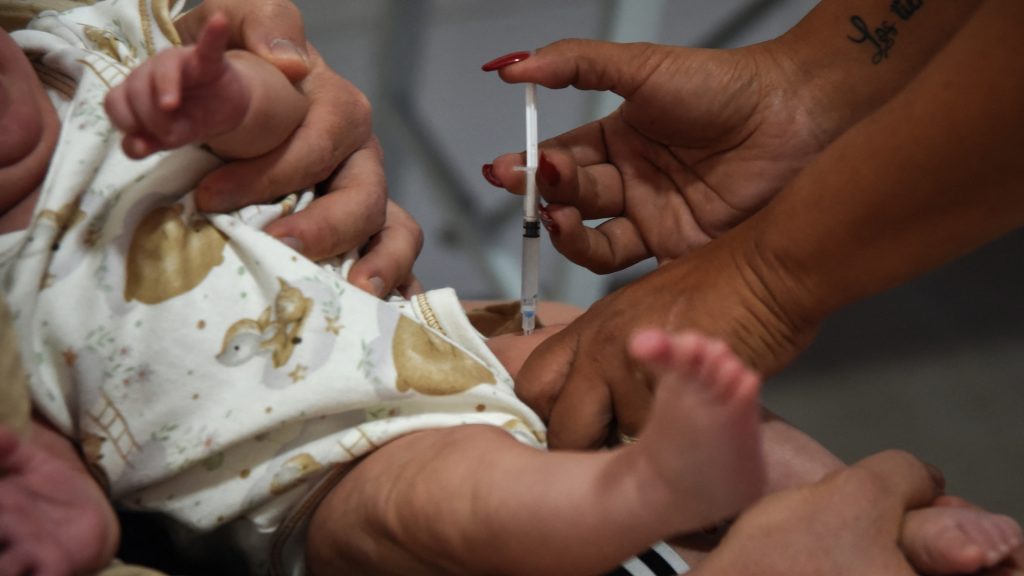
Newborns have routinely received vitamin K shots in their thighs within 6 hours of birth since the 1960s, but a study from the Journal of the American Medical Association found that more parents are opting out of the preventative measure. Once uncontroversial, parents report rising skepticism about the routine administration, particularly after the COVID-19 pandemic.
The American Academy of Pediatrics has long recommended vitamin K injections for newborns.
According to the Centers for Disease Control and Prevention (CDC), vitamin K is necessary for blood to clot effectively, and babies are born with a very small amount, meaning a nick, scratch, or even a bruise can result in catastrophic bleeding, referred to as vitamin K deficiency bleeding (VKDB).
Why don’t babies have enough vitamin K?
Babies struggle to produce vitamin K naturally because they have little intestinal bacteria required to produce the vitamin via the metabolic process. While babies can get vitamin K from breast milk, the amount is small and not enough to protect them. Breastfed babies are “low in vitamin K for several weeks until they start eating regular foods, usually at 4–6 months, and until the normal intestinal bacteria start making vitamin K,” the CDC said.
Rising refusals
In 2016, a group of researchers conducted a survey of soon-to-be parents from 5 community hospitals, an academic medical center and 2 birthing centers. They found that refusals were the highest at birthing centers. Interestingly, 90% of those who said they’d refuse the vitamin K shot also said they’d refuse the Hepatitis B vaccine, which has also come under heightened scrutiny, prompting the federal health officials to reevaluate universal guidance in December.
Straight Arrow News health reporter Jess Craig has more on hepatitis B here.
More recently, a research team analyzed a national database of health records, focusing on babies born over an eight-year period from 2017-2024. They analyzed 403 hospitals in every U.S. state and Washington, D.C. Of those 5 million newborns, 3.92%, or almost 200,000, had not received the vitamin K shot. Over that eight-year timeframe, researchers saw a 77% increase in babies who did not receive the shot.
From medical records, researchers could not determine the exact reason for the decline, but previous studies suggest that parent refusal is likely a significant factor.
“There may be a growing perception among parents that vitamin K is unnecessary,” Kristan Scott, the lead researcher in the study, said. “Unfortunately, opting out of vitamin K for a newborn is akin to gambling with a child’s health, forgoing a straightforward and safe measure that effectively prevents severe complications.”
Vitamin K myths
In the 1990s, a small study in the British Medical Journal suggested that infants who receive the shot are at a greater risk of developing childhood leukemia. Since then, however, most research has failed to find any significant associations.
The concerns raised in the study do have lasting impacts, though. Researchers hypothesized that the risk pertains exclusively to intramuscular administration, not to oral administration.
Providers told The New York Times that most parents who were hesitant considered “the shot unnatural or unnecessary.” Others requested oral vitamin K, a version that is not approved for babies by the Food and Drug Administration.
According to CBS News, social media personalities are also pushing unregulated vitamin K drops, fueling more distrust in routine preventative care.
As refusals continue to rise, doctors told CBS they aim to approach each conversation with respect and a goal of informing rather than overriding.
“I end every discussion with parents with this: ‘Please understand at the end of the day, I’m passionate about this because I have the best interest of children in my mind and heart,'” Dr. Tom Patterson, a pediatrician in Idaho, told CBS. “I understand this is a hot topic, and I don’t want to disrespect anybody. But at the same time, I’m desperately saddened that we’re losing babies for no reason.”
Ella Rae Greene, Editor In Chief