What are Trump’s options as US builds up air power around Iran?
The United States and Iran are locked in a high-stakes military standoff. The Wall Street Journal reports that Washington amassed its largest concentration of air power in the Middle East since the 2003 invasion of Iraq, and an attack on Iran may be imminent.
Because of Tehran’s rapid expansion of uranium enrichment, attacks on commercial oil tankers in the Strait of Hormuz and a January crackdown on domestic protesters that left thousands dead, the White House says the status quo is over.
The White House reportedly is weighing several options. They include a sustained bombing campaign aimed at killing top government and military officials and forcing regime change.
Whether the U.S. attacks is likely to be determined by high-level talks with Iranian leaders.
“Maybe we’re going to make a deal. Maybe not,” U.S. President Donald Trump said Thursday at the first meeting of the Board of Peace, the organization he created to oversee the Gaza Strip. “You’re going to be finding out over the next maybe 10 days.”
According to a timeline from the Council on Foreign Relations, Washington’s grievances stem from Tehran’s decision to rapidly expand its uranium enrichment following the collapse of the 2015 nuclear deal. Beyond the nuclear issue, CFR notes that Iran escalated tensions with the U.S. and its allies by backing militant attacks on American forces in Iraq. It also has been blamed for strikes on commercial oil tankers in the Strait of Hormuz and launched direct missile and drone barrages against Israel.
CFR also says that when massive economic protests erupted over Iran’s collapsing currency, the regime responded with a crackdown that left thousands dead or detained.
In response to these actions, the Trump administration laid out a set of demands. The WSJ reports that, at a minimum, Trump wants a complete halt to Iran’s uranium enrichment, even as Iran maintains it has a right to enrich for what it says is a peaceful program.
In its most expansive form, the Wall Street Journal says, Trump floated a vision in which Iran’s nuclear programs are dismantled, its ballistic missile arsenal is destroyed and its regional proxy militias are disbanded.
Unprecedented military buildup
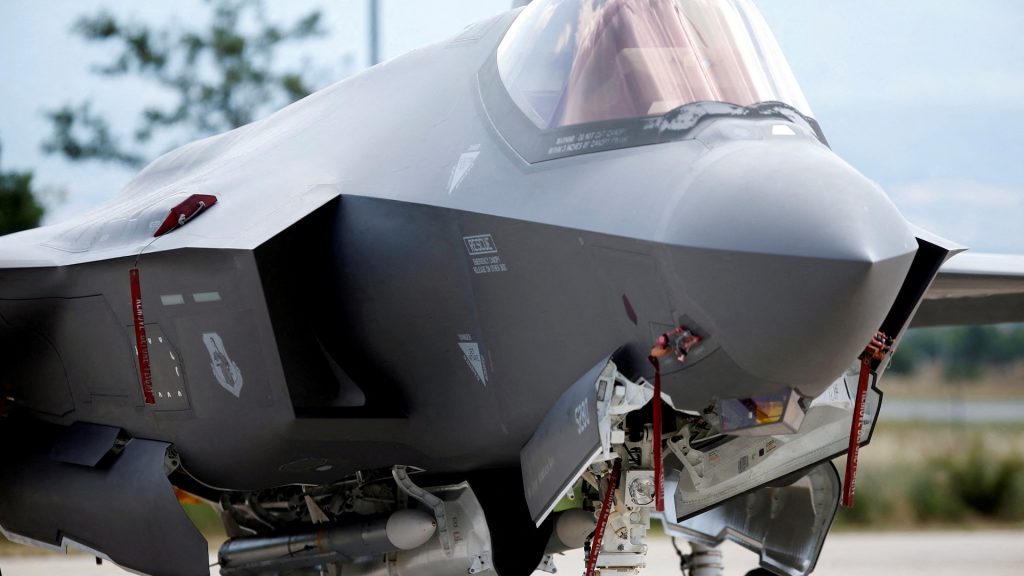
Air & Space Forces Magazine notes that the Pentagon is deploying dozens of advanced aircraft to Europe and the Middle East, including F-22 Raptors and F-35 Lightning IIs, as well as specialized “Wild Weasel” jets designed to hunt and destroy enemy air defenses. Additional refueling tankers, AWACS command-and-control planes and intelligence aircraft support these tactical fighters.
At sea, the U.S. presence is similarly significant. The Navy currently operates 13 vessels in the region, including the USS Abraham Lincoln aircraft carrier and nine missile-defense destroyers. The USS Gerald R. Ford carrier strike group is reinforcing them.
Weighing the strike options
If diplomacy fails, Trump has a wide menu of military options. According to the Wall Street Journal, defense officials briefed the president on potential operations designed to inflict maximum damage on the Iranian regime.
The Journal says that the current U.S. buildup could support a sustained, weekslong air campaign against Iran, instead of the single-night Operation Midnight Hammer strike in June 2025. That operation used B-2 bombers to hit the Fordow and Natanz nuclear sites and Tomahawk missiles against a facility in Isfahan. Pentagon officials said all three locations suffered “extremely severe damage,” though the extent of the damage is disputed.
A more extreme option presented to the president involves a bombing campaign intended to kill large numbers of Iranian military and political leaders, to weaken or topple the government and pressure surviving elites into accepting far-reaching concessions.
However, the Wall Street Journal notes that such a conflict carries serious risks, including that Iran could use its remaining missiles to strike U.S. bases and regional partners or to attempt to disrupt oil traffic through the Strait of Hormuz.
Trump has said he prefers a negotiated agreement with Iran over a military campaign to destroy its capabilities.
Diplomacy and ‘maximum pressure’
U.S. and Iranian officials met in Geneva this week to discuss enrichment limits. White House press secretary Karoline Leavitt noted that while “a little bit of progress” was made, the two sides remain “very far apart.” U.S. officials are highly skeptical that Tehran will agree to Washington’s broad terms, and some believe Iran may be trying to delay any U.S. attack or offer only temporary concessions.
Vice President JD Vance said this week that Iran has two weeks to meet U.S. demands.
Leavitt said Iran is expected to offer a more detailed proposal in the next few weeks. The WSJ reports the administration is weighing whether military pressure and economic measures can produce an agreement, while officials also warn of the risks of a broader conflict if diplomacy fails.
Alongside the military buildup, Washington is tightening economic pressure. Last month, Trump imposed 25% tariffs on any nation doing business with Iran and has actively encouraged the Iranian public to “take over” state institutions.
The post What are Trump’s options as US builds up air power around Iran? appeared first on Straight Arrow News.
Ella Rae Greene, Editor In Chief