What a California nuclear plant extension says about the future of energy
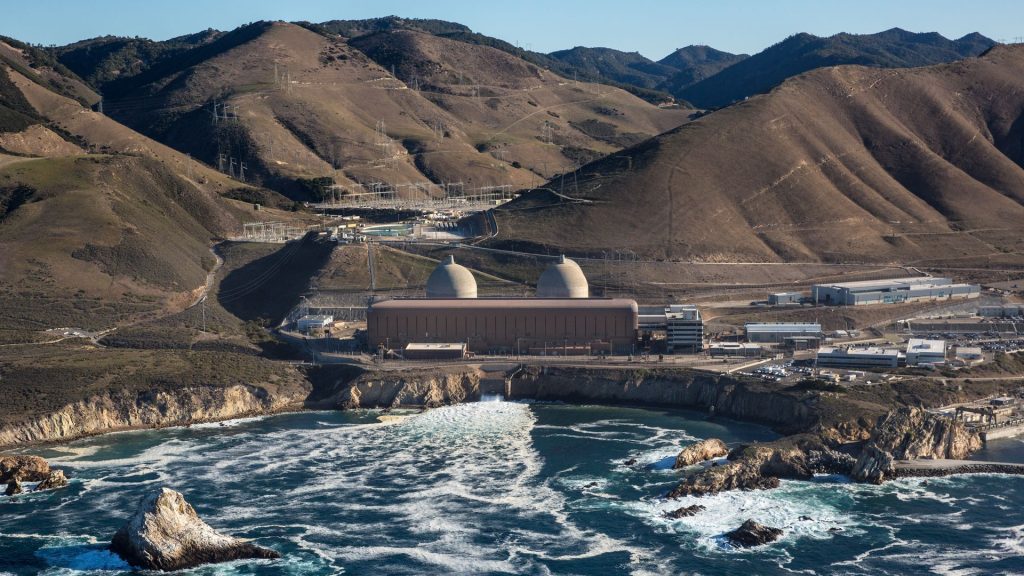
The federal Nuclear Regulatory Commission approved a 20-year extension of operations at the Diablo Canyon power plant on California’s central coast on Thursday. The extension reflects the bipartisan support for nuclear power as electricity demand surges.
The milestone comes amid two key trends affecting the power grid. States like California are investing heavily in zero-emissions energy sources, spurred on by state laws looking to address climate change. At the same time, data centers powering the AI revolution are causing unprecedented growth in forecasted electricity demand. These forces work together to make existing nuclear power plants among the most valued types of electricity generation — a rare note of Democratic and Republican consensus.
The Diablo Canyon nuclear plant delivers 2.2 gigawatts of electricity to California’s grid, which is enough to meet the needs of about 4 million people, according to Pacific Gas and Electric, the plant’s owner. The plant will need state-level approval to operate past 2030.
Artificial intelligence is breaking a decades-long trend of relatively stagnant electricity demand as the U.S. became more energy efficient.
A December 2025 report from BloombergNEF forecasted that nationwide, data centers will require 106 gigawatts of electricity by 2035. For perspective, the peak demand record on California’s electricity grid was set in 2022 at 52 gigawatts. If the BloombergNEF numbers hold true, data centers will require more than twice as much power in 10 years than the entire state of California does today.
Keeping Diablo Canyon running will be important to meeting future demand, as the California Energy Commission projects that the state needs to add 20 gigawatts of power by 2045.
Some researchers question the veracity of electricity demand projections due to duplicate requests from data centers and the possibility of efficiency gains or a downturn in the tech industry. While the exact scale of growth may be imprecise, there’s agreement on the direction of the trend: The grid needs more power, not less.
The emerging consensus on nuclear
“Remaining the world’s leader in AI will require an enormous increase in the energy production, and that’s taking place,” President Donald Trump said last year at a summit in Pittsburgh to promote energy and AI investments.
Months later, the Trump administration handed out a $1 billion loan to Constellation Energy, supporting the company’s partnership with Microsoft to restart one unit of the Three Mile Island nuclear power plants.
California Gov. Gavin Newsom changed his stance on nuclear power in 2022, and became a key figure in pushing to keep the Diablo Canyon plant running. Rather than powering data centers, Newsom framed the decision around his commitment to clean energy.
“Tackling extreme weather and supporting a reliable grid are essential to building a safe, affordable and resilient future for our state,” Newsom said in a press release following the NRC extension.
Other states are also taking steps to build new nuclear power stations. After her predecessor shut down a nuclear plant in 2021, New York Gov. Kathy Hochul, a Democrat, directed the state’s power authority in 2025 to build a new plant. This week in Utah, Republican Gov. Spencer Cox pitched the U.S. Department of Energy on plans for a statewide nuclear energy hub, including new power stations.
The future of Diablo Canyon
The shift in thinking on nuclear power is evident in Diablo Canyon’s trajectory.
Diablo Canyon opened in 1985, and a second unit began powering the grid in 1987.
In 2016, Pacific Gas and Electric said it would let the power plant’s operating licenses expire in 2024 and 2025.
Extending the life of both units marked the 99th and 100th operating license renewals issued in the history of the Nuclear Regulatory Commission. The units will now be federally licensed to run through 2044 and 2045.
After explaining his shifting position to the LA Times, Newsom supported and then signed SB 846 in 2022. That bill authorized both units at Diablo Canyon to continue running through 2030. In order for PG&E to operate the plant for the full term of its renewed license, the California Legislature would need to approve it.
That outcome is not guaranteed.
Some environmental and consumer advocacy groups have long campaigned against the extension of Diablo Canyon, arguing it’s too costly for ratepayers and that the risks that come with spent nuclear fuel outweigh the benefits.
Ella Rae Greene, Editor In Chief