Visa applicants may have to provide social media history to enter US
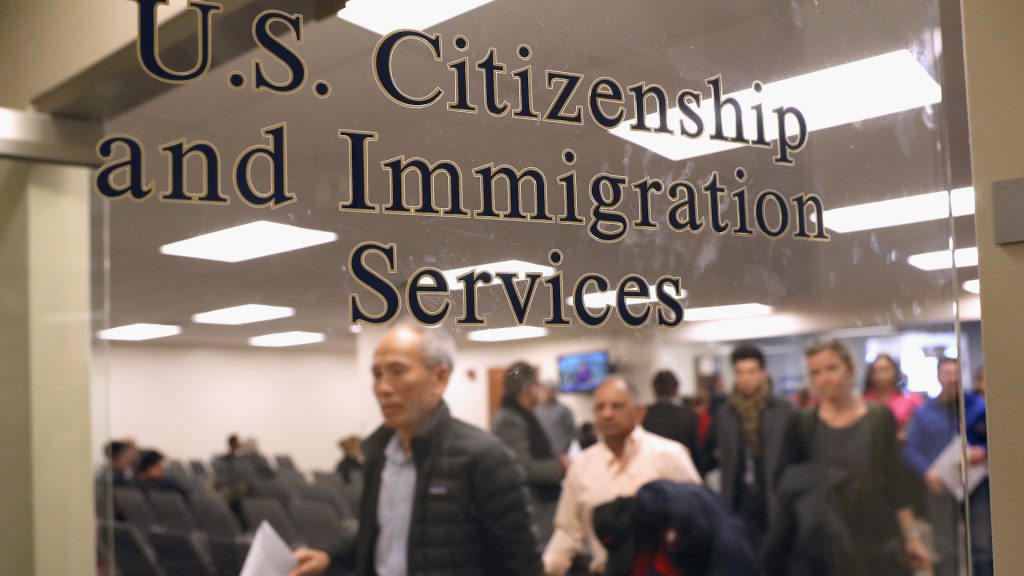
Residents of several countries — including Britain, France, Germany, Japan and South Korea — may soon have to provide five years of their social media history when applying for U.S. visas. The requirement is part of a new rule proposed by U.S. Customs and Border Protection (CBP) for visitors from what are known as “visa waiver” countries.
The agency also proposes decommissioning the Electronic System for Travel Authorization (ESTA)website application and moving new submissions to a mobile app.
The change would affect short-stay visitors who obtain ESTA authorization and pay $40. They may stay in the U.S. as long as 90 days, and approvals are generally valid for two years.
What new data would CBP collect?
Beyond the mandatory social-media element, CBP proposes adding several “high value” data fields to ESTA when feasible: telephone numbers from the past five years; email addresses from the past 10 years; IP addresses and metadata from electronically submitted photos; details on family members, including their names, phone numbers, dates and places of birth, and residences; and biometrics such as facial images, fingerprints, DNA samples and iris scans.
How would the application process change?
To improve security, CBP proposes decommissioning the ESTA website and redirecting new submissions to the mobile app, which uses liveness detection, facial recognition and a chip to verify passports.
CBP estimates it will handle roughly 14 million mobile submissions annually at 22 minutes per application. CBP’s notice of the proposed rule change also describes a Voluntary Self-Reported Exit (VSRE) feature that uses geolocation and a live selfie to confirm a traveler’s departure.
What are the critiques and potential impacts?
Critics argue the move is overreach. Speaking to The Washington Post, immigration attorney Farshad Owji cautioned that the policy seems designed to screen travelers based on their political views, potentially chilling free speech. Meanwhile, industry insiders told The New York Times that the proposal represents a significant escalation in vetting, noting that stakeholders were not briefed beforehand.
Bo Cooper, who leads the government strategies and compliance group for the Fragomen law firm, called the approach a “paradigm shift” that could slow authorizations and increase the chance of added scrutiny. At the same time, the Electronic Frontier Foundation’s Sophia Cope said mandatory disclosure would “exacerbate civil liberties harms.”
The post Visa applicants may have to provide social media history to enter US appeared first on Straight Arrow News.
Ella Rae Greene, Editor In Chief