USS Abraham Lincoln reaches striking distance of Iran
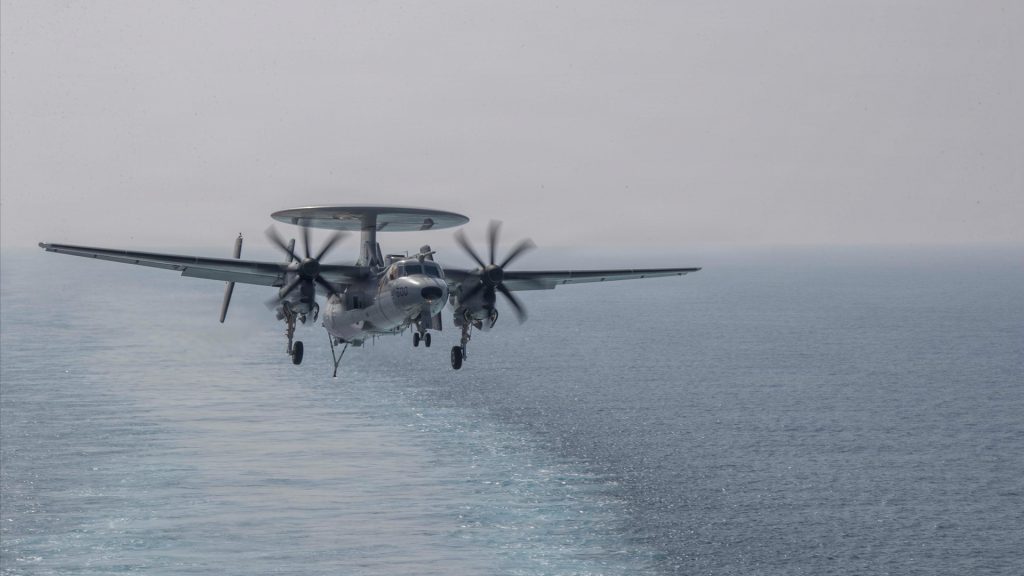
The U.S. military has positioned the nuclear-powered aircraft carrier USS Abraham Lincoln and a powerful strike group in the Arabian Sea, placing dozens of Iranian targets within range of American airpower. While President Donald Trump has not yet ordered a strike, he has issued a clear ultimatum to Tehran: halt the nuclear program and stop the killing of protesters.
Al Jazeera reported that the current buildup resembles deployments before the June 2025 U.S. strikes on three Iranian nuclear sites and later attacks on Venezuelan targets, and quoted analysts who say it could indicate Washington is preparing another operation against Iran.
What US and Iranian officials are saying
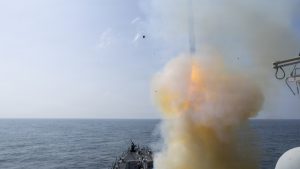
The New York Times reported that the USS Abraham Lincoln and three accompanying warships equipped with Tomahawk missiles are now on station in the Arabian Sea after entering U.S. Central Command’s area of responsibility in the western Indian Ocean. The carrier’s F-35Cs, F/A-18E/F Super Hornets and EA-18G Growler fighter jets are within range of dozens of targets in Iran if Trump orders strikes.

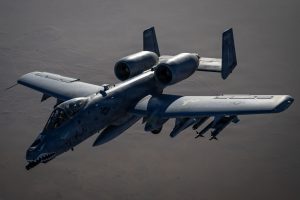
At least a dozen F-15E attack jets have also deployed to the region and are stationed at the same Jordanian base where they were based during “Operation Midnight Hammer” in June 2025. According to The Times, flight-tracking data suggest that more advanced fighters and refueling aircraft are moving closer, while additional Patriot and THAAD air defense systems have been deployed to protect roughly 30,000 to 40,000 U.S. troops in the region.
Trump has said publicly that “we have a lot of very big, very powerful ships sailing to Iran right now,” and that “it would be great if we didn’t have to use them,” the BBC reported. He said he has told Iran it must do “two things” to avoid military action: “Number one, no nuclear. And number two, stop killing protesters.”
Iran’s foreign minister Abbas Araghchi has said Iranian forces are ready “with their fingers on the trigger” to “immediately and powerfully respond” to any aggression. Iran’s deputy foreign minister, Kazem Gharibabadi, said no negotiations with the United States are underway despite “exchanges of messages,” according to the BBC.
The Human Rights Activists News Agency has documented at least 6,479 people killed since the unrest began, including 6,092 protesters, including 118 children and says it is investigating about 17,000 more reported deaths. Iranian authorities said last week more than 3,100 people had been killed and claimed most were security personnel or bystanders attacked by “rioters,” the BBC added.
Exercises, alerts and what analysts see
U.S. Air Forces Central Command announced “multi-day readiness” drills across its region to demonstrate the ability to deploy, disperse and sustain combat airpower. AFCENT said the drills are meant to strengthen partnerships with host countries and prepare for “flexible responses,” while Central Command said the Lincoln was sent to “promote regional security and stability.”

The Times reported that long-range bombers based in the United States that could strike Iran are on higher-than-usual alert, a posture raised nearly three weeks ago when Trump requested options to respond to the crackdown on protests in Iran.
Analyst Ellie Geranmayeh of the European Council on Foreign Relations told Al Jazeera the current buildup may justify an attack on Iran’s government as protecting civilians after the protests, but that could come at high risk.
“If America launches significant attacks, possibly with a regime change endgame, Tehran is likely to directly increase the cost to Trump in an election year by targeting American soldiers stationed across the Middle East,” Geranmayeh said.
Other experts question whether Trump will act. Ali Vaez of the International Crisis Group told Al Jazeera “it’s hard to imagine that a strike is imminent,” arguing that protests have been crushed and that military action would be costly without a clear end goal. He said any escalation could leave Iran’s 92-million population bearing the brunt while remnants of the regime grow “more repressive” and “more aggressive” in the region.
According to The Times, officials said that Trump has not authorized military action and remains open to a diplomatic solution after asking the Pentagon for options. Trump recently posted on Truth Social that he hopes Iran will “quickly ‘Come to the Table’ and negotiate a fair and equitable deal – NO NUCLEAR WEAPONS,” even as Iranian officials insist there are no formal talks.
The post USS Abraham Lincoln reaches striking distance of Iran appeared first on Straight Arrow News.
Ella Rae Greene, Editor In Chief