UAE moves toward joining fight to reopen Strait of Hormuz
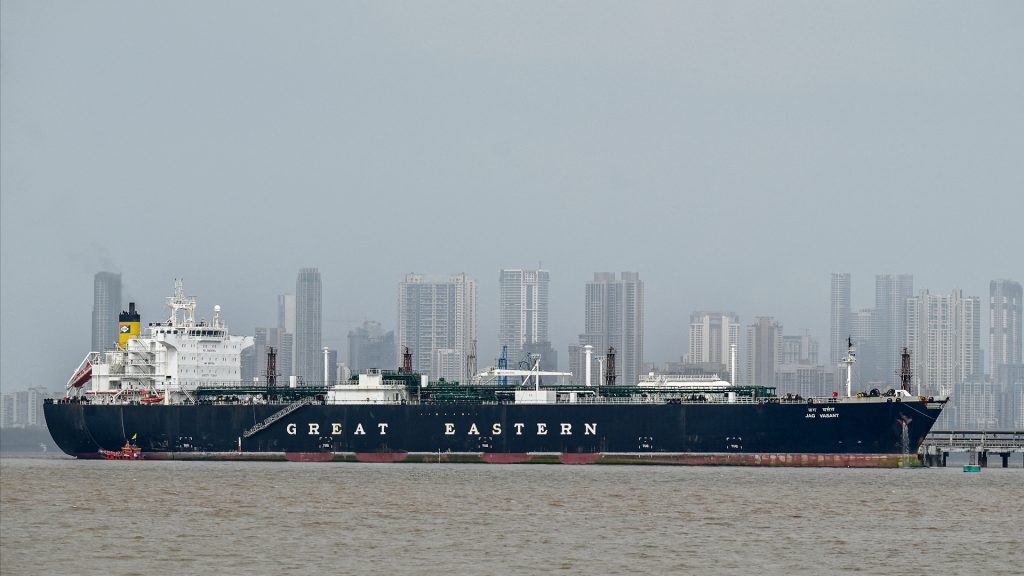
After weeks of Iranian attacks, the United Arab Emirates is moving toward a more direct role in efforts to reopen the Strait of Hormuz, according to The Wall Street Journal. The paper reports Emirati diplomats are pushing for a U.N. Security Council resolution and urging the U.S. and other military powers to assemble a coalition capable of using force to reopen the waterway.
In a Truth Social post on Wednesday, Trump said Iran’s new president had asked for a ceasefire, and said the U.S. would consider it only once the Strait of Hormuz was “open, free, and clear.” Until then, he said, U.S. military operations will continue.
Emirati officials have reviewed what support the country could offer, including mine-clearing operations, and have urged Washington to consider taking strategic islands in the waterway, including Abu Musa, which Iran controls but the UAE claims.
Why the UAE’s shift matters
The move would mark a sharp break from the UAE’s earlier effort to avoid direct confrontation with Iran. The Journal reports that Dubai had long maintained commercial ties that benefited Iran and that Emirati officials had attempted to mediate before the war.
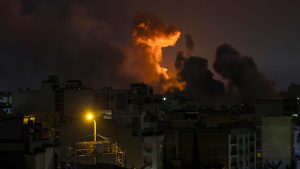
That posture shifted after strikes hit hotels, airports and other civilian-linked sites in Dubai.
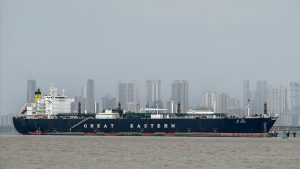
The stakes extend far beyond the Gulf. The Strait is one of the world’s most critical energy chokepoints., with nearly 20% of global supply moving through Hormuz. The Financial Times reports that the disruption is already threatening shipping, energy markets and supply chains, and that Gulf governments fear Iran could try to maintain leverage over the Strait even if the war ends.
What the UAE and its partners are proposing
The Journal reports Bahrain is sponsoring the proposed U.N. resolution, with a vote is expected Thursday. Saudi Arabia and other Gulf states support continuing the war until Iran’s regime is weakened or toppled, though they have stopped short of committing their own militaries.
A UAE official said the country maintains a “defensive posture” and “remains ready to support collective international efforts aimed at safeguarding maritime security and ensuring the uninterrupted flow of commerce,” adding any involvement would be coordinated with partners and adhere to international law.
The Financial Times previously reported the UAE had told the U.S. and other Western governments it would join a multinational maritime task force to reopen the Strait. Two people familiar with the matter said Abu Dhabi could deploy its navy.
Senior Emirati minister Sultan al-Jaber, after talks with Vice President JD Vance in Washington, said, “Iran holds Hormuz hostage, every nation pays the ransom, at the gas pump, at the grocery store, at the pharmacy.”
How the Gulf response is shifting
The Journal reports Iran has launched nearly 2,500 missiles and drones at the UAE, more than at any other country, including Israel. The attacks have disrupted air traffic, hurt tourism and the property market, and led to furloughs and layoffs.
The Financial Times similarly reports Abu Dhabi’s stance has hardened as it absorbs the brunt of Tehran’s retaliation.
Still, the regional response remains uneven. Bahrain is currently the only other Gulf state backing the plan outright, while others remain split between supporting continued pressure on Iran and seeking a negotiated end to the war.
Oman, which has criticized the U.S. and Israel for launching the war, says it is working “intensively” to establish safe passage through the Strait.
What comes next
The next test is whether the plan can gain backing at the United Nations. The Journal reports the Bahrain-backed resolution could come to a vote Thursday, though Russia and China could block it.
Even if it fails, Gulf officials told the Journal that the UAE would still be prepared to join an effort to reopen the Strait.
Ella Rae Greene, Editor In Chief