Trump threatens up to 100% tariffs on brand-name drugs
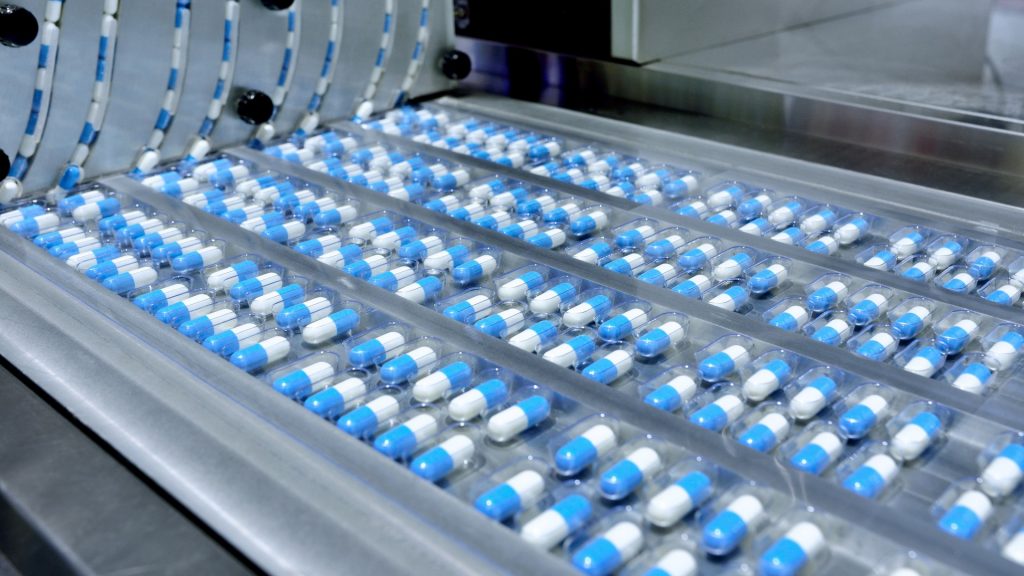
President Donald Trump celebrated the anniversary of his 2025 “Liberation Day” tariffs on Thursday by issuing a new executive order imposing more tariffs. This one targets pharmaceutical drugs.
Under the new order, brand-name drugs from companies that don’t cut deals with the Trump administration in the coming months could face tariffs of up to 100%.
Companies that sign on to the president’s “most favored nation” pricing plan and build facilities in the U.S. would face no tariffs. Companies that build in the U.S. but don’t join the pricing plan would start at 20%, with tariffs rising to 100% over four years.
Larger drugmakers would have 120 days to negotiate before tariffs take effect, while smaller companies would get 180 days.
Who will the order impact?
It is not yet clear which companies or drugs would be hit by the tariffs.
So far, the administration says it has reached deals with 17 major drugmakers, including 13 that are finalized.
Through previous trade agreements, some nations will already see lower tariff rates.The European Union, Japan, South Korea and Switzerland are set to only face 15% tariffs on pharmaceuticals, while the U.K.’s will be 10%.
And those European companies have the ability to lower their tariffs to 0% if they build manufacturing plants in the U.S.
Trump’s reasoning for the order
Trump wrote in his order that he deemed the tariffs necessary “to address the threatened impairment of the national security posed by imports of pharmaceuticals and pharmaceutical ingredients.”
The tariffs on pharmaceutical drugs are being imposed under Section 232 of the Trade Expansion Act of 1962. That gives the president the power to levy tariffs over concerns about national security risks.
Even though the new tariffs were announced on “Liberation Day,” they’re not related to the sweeping global tariffs Trump imposed last year, which have been struck down by the Supreme Court. They’re also separate from the 10% global tariff that Trump imposed to replace the tariffs the Supreme Court blocked.
Ella Rae Greene, Editor In Chief