Trump threatens to ‘massively blow up’ Iran gas field after Qatar attacks
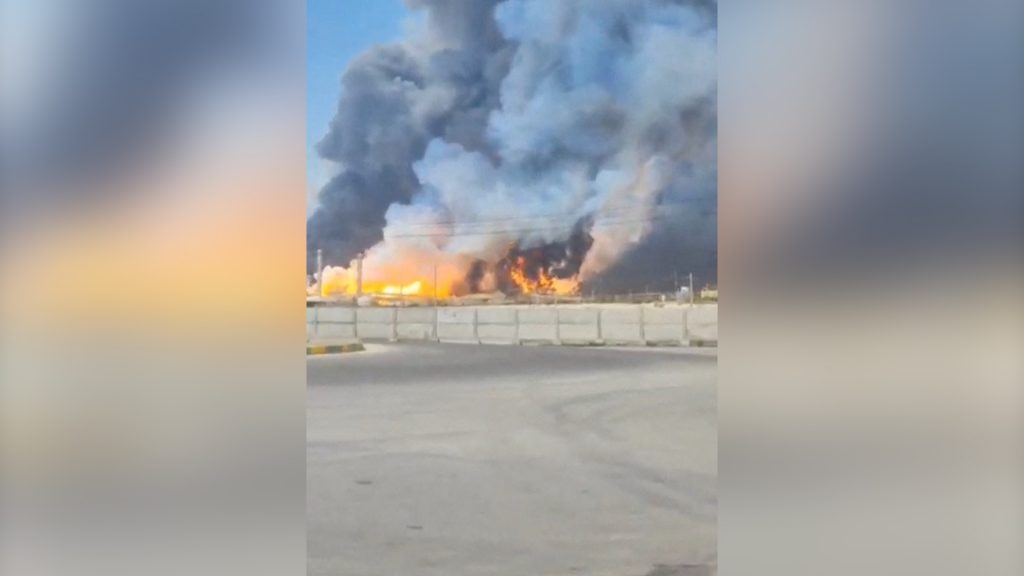
President Donald Trump said the U.S. will destroy Iran’s largest gas field if Iran attacks Qatar again. The warning follows Iranian strikes on Gulf energy sites and an Israeli attack on that same field.
In a post on Truth Social Wednesday night, Trump said Israel acted alone in striking Iran’s South Pars gas field and that neither the U.S. nor Qatar had prior knowledge. He warned that if Iran targets Qatar again, the United States would “massively blow up the entirety” of the field.
But The Wall Street Journal reports that Trump was aware of the Israeli strike in advance and supported it as a warning to Iran over its actions in the Strait of Hormuz. In addition, CNN reports the strike was carried out in coordination with the U.S.
Iran hits Gulf energy infrastructure
Iran launched missile attacks on Qatar’s main liquefied natural gas hub Wednesday, Ras Laffan Industrial City, sparking fires and causing extensive damage, according to Qatari officials and QatarEnergy. Production at the facility had already been halted before the latest strikes.
Iran also targeted sites across the region. Missiles and drones struck near Riyadh, where Saudi air defenses intercepted incoming fire saying that the SAMREF refinery was hit. Saudi officials said they reserve the right to respond militarily if attacks continue.
In the United Arab Emirates, authorities shut down operations at key gas and oil facilities after intercepting missiles and drones over those sites. And in Kuwait, drone strikes set fires at two major refineries. No injuries were reported.
Israel strike hits South Pars field
The escalation began earlier with an Israeli strike on Iran’s South Pars gas field, the world’s largest, in the Persian Gulf, jointly shared with Qatar.
Iran condemned the strike and warned of broader consequences. Officials said the attack hit critical infrastructure tied to domestic power generation.

South Pars supplies a large share of Iran’s natural gas and is central to electricity, heating and industrial use.
Shipping disruptions tighten oil supply
Vessels have been hit in and around the Persian Gulf, including near Qatar’s coast and the Strait of Hormuz, according to a British maritime monitoring agency.
More than 20 vessels have been struck since the war began. Iran has restricted traffic through the Strait, a route that typically carries about one-fifth of the world’s oil.
Oil prices moved higher after the latest strikes, with Brent crude rising above $110 a barrel.
Fighting continues across region
Meanwhile, Israel and Iran continue to exchange fire.
Israeli officials said they struck hundreds of targets across Iran, including military infrastructure. Iran launched missiles toward Israel, triggering air raid sirens in Tel Aviv. Debris from intercepted missiles damaged buildings, and at least one person was killed.

In the West Bank, a missile strike hit a civilian area, killing at least three people, according to Palestinian officials.
Ella Rae Greene, Editor In Chief