This app will alert you if it thinks someone nearby is wearing smart glasses
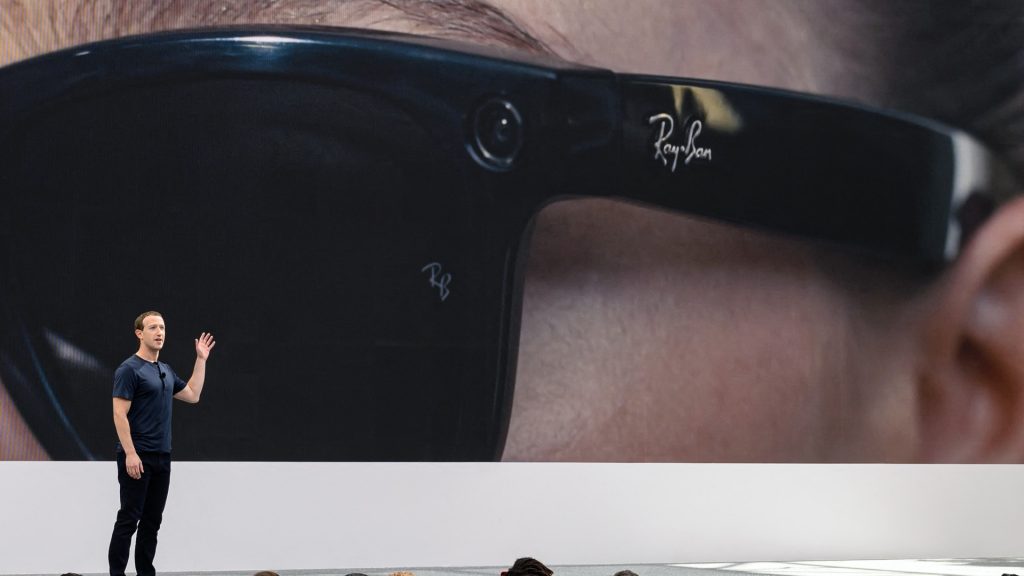
A new app aims to alert users to the presence of smart glasses, a technology that is raising privacy concerns because of its ability to record people without their knowledge.
The app, known as “Nearby Glasses,” was published online last week by sociologist and self-described information technology enthusiast Yves Jeanrenaud.
Jeanrenaud says the app, available for Android phones, scans for unique Bluetooth signatures used by Meta and Luxotica, the manufacturer of the Meta Ray-Bans. The app also detects the unique signature used by the social media app Snapchat, which produces smart glasses known as “Spectacles.”

Pushing boundaries
On GitHub, a platform where developers can host their software’s code, Jeanrenaud describes smart glasses as “an intolerable intrusion.” The app’s development was inspired by the technology’s misuse, Jeanrenaud says, including an incident in which Meta’s Ray-Ban smart glasses were worn by a Border Patrol agent in violation of Department of Homeland Security policy.
Jeanrenaud also cited to Straight Arrow News incidents in which smart glasses have been used by popular online influencers to secretly record and harass massage parlor workers.
“I was fed up with misogynistic behavior and surveillance tech pushing this product’s boundaries,” Jeanrenaud said. “Especially because I assume many people that fall victim to those covert recordings are already vulnerable.”
Although Meta’s Ray-Ban smart glasses include a small LED light near the right temple to indicate when its wearer is recording video, workarounds for disabling the light have already been discovered.
Smart glasses have come under increased scrutiny after an internal memo revealed by The New York Times last week showed that Meta has been planning to introduce a facial recognition feature when it believes pushback will be minimal.
“We will launch during a dynamic political environment where many civil society groups that we would expect to attack us would have their resources focused on other concerns,” the memo, published in May, says.
Jeanrenaud told SAN that Meta’s memo was a tipping point for him.
While Meta has promised that such a feature would not allow for identifying strangers, the ability to do so has already proven possible. In 2024, two students at Harvard integrated facial recognition into a pair of Meta’s smart glasses, allowing them to automatically determine information such as the names, phone numbers and home addresses of anyone they looked at.
His app, Jeanrenaud says, is not without its issues. Devices other than smart glasses can emit Meta’s signature, such as the company’s virtual reality headsets. So, an alert is not definitive proof that a pair of smart glasses have been detected.
Nevertheless, Jeanrenaud hopes that the app, which will eventually be available for iPhone as well, will help at least one person locate a pair of smart glasses recording without their knowledge or consent.
Jeanrenaud says the app does not collect or store any information about users or their phones and does not include ads.
Ella Rae Greene, Editor In Chief