The hidden labor crisis behind your latest electricity rate hike
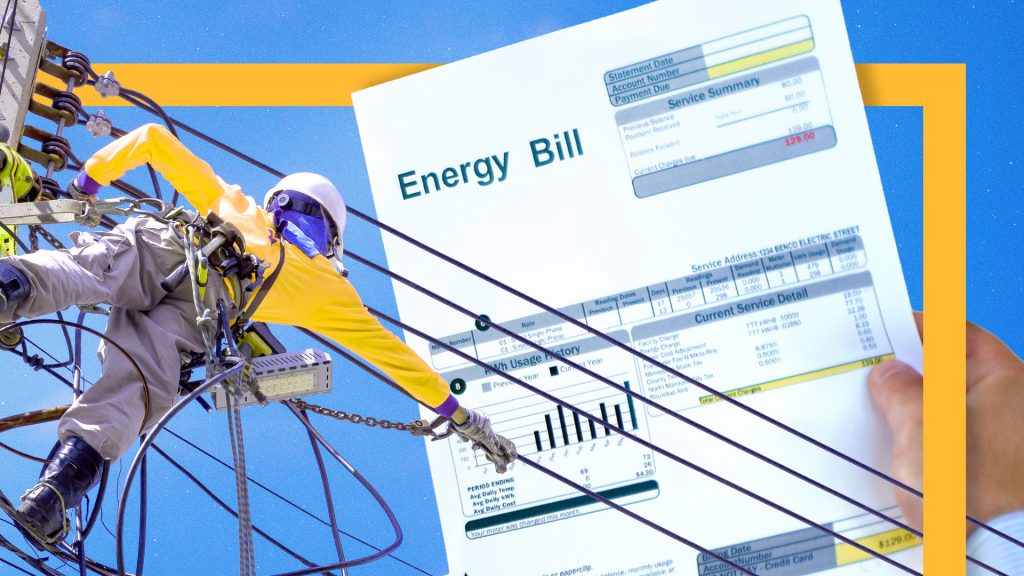
In the wake of January’s massive Winter Storm Fern, which knocked out power for 1 million U.S. households, the national power grid is at maximum strain. And lineworkers — the energy utility workers tasked with fixing power poles and electric systems — are feeling the pressure as a depleted force tackles a surge in demand.
Add to this the fact that consumers are frustrated by prolonged outages, like the weeks-long blackout in Nashville, and notifications from utility companies that cold weather could lead to higher-than-average bills, further heightening tension. In some cases, electric companies report their workforce has been attached onsite, part of a nationwide issue that has prompted legislative action in several states.
“Storm work is different,” Southern Electric Corporation of Mississippi President Blake Everett wrote on social media. “The pressure is higher. The hours are longer. The environment is chaotic. Customers are hurting. Communities are waiting, and we feel that responsibility deeply.”
Even the best weather days present dangerous conditions for utility repair teams. Workers are at risk of fall accidents while climbing poles. Live wire accidents cause extreme burns or deaths. Brent E. Hall, the International Brotherhood of Electric Workers’ 10th district vice president, told Straight Arrow News there is “no room for mistakes in linework.” But maintaining safety procedures at the pace of power demand is challenging, especially in the past decade as the labor force has been strained due to a wave of Baby Boomers retiring.

“There is a shortage of linemen across the United States. That is a given fact,” Hall told SAN.
“Trades in general are coming back into focus now, but we’ve neglected them for 40 to 50 years. There’s a dry spell right now,” said Hall. He added that this “dry spell” follows roughly 50 years of slow progress revamping the grid that connects state-to-state power services.
Each portion of that grid has different operation parts and procedures. Unlike the automotive industry, which pushed for more universally standardized quality and procedures between 1994 and 2007, electrical work has not adopted a universal standard across systems. Because of this, individual states and cities adopt different parts and practices for installing their systems. Their local, annual lineworkers know these systems well, but contractors coming in to assist during emergencies might use different technical processes and need to be brought up to speed.
When working on a storm, this can add additional strain: Hall said it takes at least “24 hours” to plan how to start repairs on the grid. Hall told SAN that these technical parts of the line system repair create challenges when companies employing union or non-union workers send line workers to different jurisdictions.
Even as the industry faces a shortage of well-trained, experienced workers, the demand for power is surging.
Electric companies band together to share the labor force, and strike agreements with each other to manage emergencies. Hall told SAN an estimated 300 to 500 union lineworkers came to Tennessee to help nonunion corporations following this winter’s storm.
In Nashville, the first 24 hours were packed with tension as the Nashville Electric Service reported it was “overwhelmed” by incoming union teams.
The emergency tested the limits of the delicate balance between safety and speed. On Feb. 6, a disagreement over safety protocol between two lineworkers ended with a torn shoulder and an arrest for assault.

Storms, rate hikes, fees exhaust customers
Labor deficits cost the bill payer in the form of service delivery fees. Eversource, a Massachusetts energy company, drew backlash from customers for charging high fees on top of usage. Bill payers united to form a protest group called Citizens Against Eversource, which shared copies of their electric bills with SAN for review. These fees contribute to Eversource customers paying twice the estimated average in New York and the national average in general.
Meanwhile, in New York, consumers of NYSEG services saw a state-approved 62% rate increase in 2023, which was later revised following significant backlash.
Clay Banks, a New York resident who owns a home in Livingston Manor, told SAN his bill more than doubled “without warning” due to the rate hikes and added fees.
“My electricity costs have become financially unsustainable, rising from a manageable share of my take-home pay to a level that now consumes a disproportionate percentage of my monthly income,” Banks told SAN.
“These rate increases are far outpacing wage growth and inflation, forcing difficult tradeoffs between paying for power and covering basic necessities,” he continued. “It is unreasonable to expect households to absorb record-high utility costs while service reliability and affordability protections lag behind.”
Deadly cold strains the electric grid and exaggerates power bill costs. Likewise, recent winter storms have increased the demand for repairs, further adding to costs.

How lawmakers approach rate hikes
Lawmakers across the partisan aisle have taken different approaches to tackling energy rate hikes. In New York, Democrats moved to stop electric company rate raises, and focused on auditing utility company workers’ salaries. Democrats argued auditing these company salaries was part of a wider range of measures to inform future energy service rates and prevent New Yorkers from being hit with unfair rate spikes. Republicans called for relaxed regulations, saying that New York rate payers “need relief now.” The Republicans feel that the Democrats’ Clean Energy Fund budget proposal does not reflect the funding available for green investments.
Solutions journeymen propose
Hall suggested better cooperative partnerships between union and non-union electric companies, and between states and training scholarship programs, to encourage more adequately trained people to join the utilities work force. He likewise explained that progress on relaxing other regulations on younger journeymen can help advance workforce opportunities.
For example, Hall notes that in Tennessee, a utility driver can only haul up to 26,000 pounds before they need a Commercial Driver’s License. If the driver is under 21, they can only drive a rig of that weight within Tennessee. Utility equipment is heavier than the Tennessee state limit on average. For younger journeymen, this means they are not able to respond to jobs over the stateline, in places such as Kentucky or North Carolina, where Tennessee power companies have networking partnerships. This law indirectly restricts partnerships between electric service in the southeast, and adds a strain to utilities labor.
Hall told SAN that bipartisan legislation has been introduced in Washington, under HR 7610 The Linemen Legacy Act, that would allow these drivers under CDL age restriction to cross state lines during emergencies.
The Linemen Legacy Act will consider utility workers first responders under the law.
Ella Rae Greene, Editor In Chief