She alleged misconduct in an elite Army unit. Now she faces federal charges
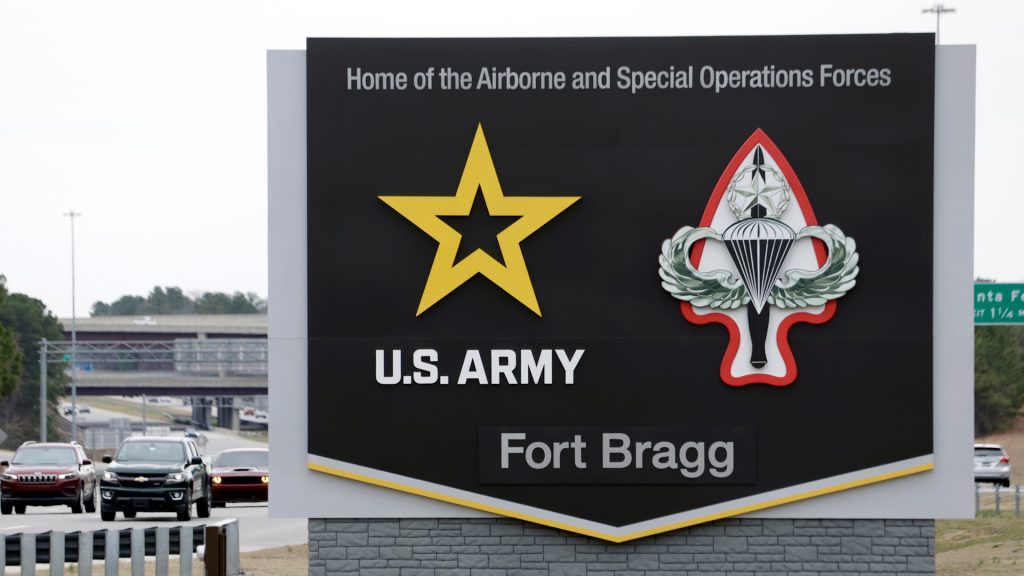
Courtney Williams went public last year with allegations of harassment inside an elite Army unit. Now, federal prosecutors say that by doing so, she also disclosed classified national defense information to a journalist.
A federal grand jury has indicted the 40-year-old former Army employee on a charge of transmitting classified national defense information to a journalist. FBI agents arrested Williams on Tuesday.
The case combines several issues: national security law; alleged misconduct within a secretive, elite military unit; and the legal risks faced by whistleblowers who walk a thin line between exposing wrongdoing and disclosing classified information.
Williams was a central figure in a 2025 Politico article and in Seth Harp’s book “The Fort Bragg Cartel,” which described her work as a “signature reduction specialist” for a special military unit at Fort Bragg in North Carolina. Her duties included helping create fake identities and front companies tied to clandestine missions. Prosecutors allege that Williams shared classified material with a reporter between 2022 and 2025 and that some of it later appeared in a news article and a book.
The case does not center on Williams’ claims of mistreatment inside the unit. Instead, prosecutors say she disclosed classified tactics, techniques and procedures linked to a special military unit at Fort Bragg.
The complaint, filed in federal court in North Carolina earlier this month, describes the material as “SECRET//NOFORN” information tied to “covert missions.”
What prosecutors allege
Politico’s 2025 article, adapted from Harp’s book, presented Williams as a former employee who said she had faced severe harassment while working in Delta Force’s mission support structure. The article also described support work she said she handled, including passports, cover identities and front companies tied to clandestine missions.
Federal investigators now allege that some of the information attributed to Williams in the article and book was classified. The Justice Department said Williams worked for the unit from 2010 to 2016, held a Top Secret/Sensitive Compartmented Information clearance, and signed nondisclosure agreements warning that unauthorized disclosures could be criminal offenses.
The Justice Department said Williams is charged under a federal law that bars the willful transmission of national defense information to someone not authorized to receive it.
Prosecutors say Williams and the journalist exchanged more than 180 messages and logged more than 10 hours of phone calls between 2022 and 2025.
The complaint says Williams worked in an operational support role with regular access to classified material, including mission procedures that investigators say could expose personnel to danger if disclosed. Authorities also point to what they describe as evidence about document sharing, including a 2022 exchange about a thumb drive that investigators say suggests Williams provided materials to the journalist.
According to the complaint and a Justice Department press release, Williams also texted the journalist on the day that both the Politico article and Harp’s book were published, saying she was worried about “the amount of classified information being disclosed.” Prosecutors further allege she sent a message saying she could be arrested and was “probably going to jail for life.”
FBI Director Kash Patel said the arrest should warn would-be leakers. Assistant Attorney General John Eisenberg said people trusted with clearances have a duty to protect classified information.
FBI and our partners have arrested a former SOCOM employee, who supported our top-level military warfighters, for allegedly transmitting classified information to a member of the media.
Outstanding work by @FBICharlotte and the FBI Counterintelligence & Espionage Division…
— FBI Director Kash Patel (@FBIDirectorKash) April 8, 2026
How Harp is responding
Harp has sharply disputed the government’s allegations. He called the arrest “penny-ante political theater” and described Williams as a “courageous whistleblower” who exposed gender discrimination and sexual harassment in an important military unit.
He also challenged one piece of the government’s evidence, saying the thumb drive mentioned in the complaint held a public EEOC filing that was too large to email, not classified material, according to the Guardian.
The complaint refers only to “the Journalist,” but both The Washington Post and the Guardian identified Harp as the reporter involved, noting that Williams had been quoted by name in his Politico article and in his book.
Harp was not accused of wrongdoing.
Ella Rae Greene, Editor In Chief