Scientists measuring microplastics may be corrupting data inside their own labs
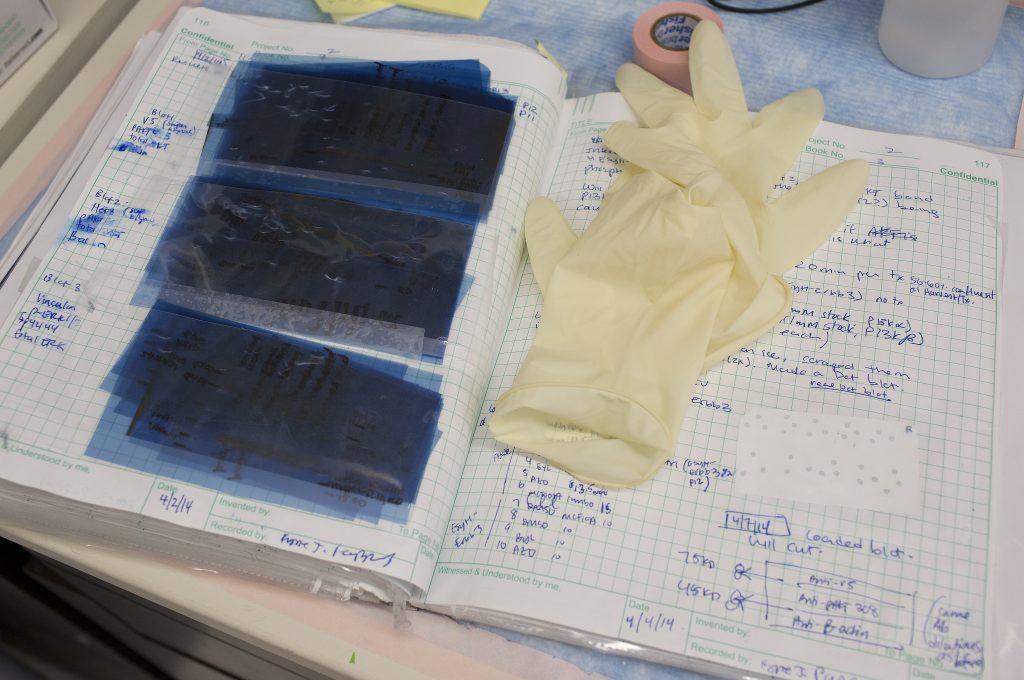
Commonly used laboratory gloves may have contaminated samples and led scientists to overestimate levels of microplastic pollution, according to a new study published this week.
The finding emerged unexpectedly. Researchers at the University of Michigan were studying how many microplastic particles locals might be breathing in. The team collected samples and analyzed them in the lab, all the while taking normal precautions to avoid contamination, including limiting plastic use in the lab and avoiding synthetic clothing.
Despite those steps, the results appeared unusually high — suggesting that Michiganders were inhaling 1,000 times more microplastics than previous estimates — prompting researchers to reexamine their methods and search for possible sources of error.
After further investigation, they traced the discrepancy to their lab gloves.
Follow-up studies
The team conducted a series of follow-up experiments, simulating typical contact between different types of gloves with lab equipment and then measuring contamination.
Researchers found that latex and nitrile gloves, commonly used in laboratories around the world, shed tiny particles called stearates, which can transfer onto lab equipment and, during analysis, be mistakenly counted as microplastics.
On average, gloves introduced about 2,000 false-positive particles per square millimeter of contact area. One type of latex glove added more than 7,000. Cleanroom gloves — ultra-clean disposable gloves designed to prevent microscopic contamination in sensitive environments like electronics manufacturing and pharmaceutical production — produced significantly fewer false positives.
The researchers emphasized that the findings do not negate the existence of microplastic pollution but highlight the need for improved methodologies.
“It’s important to note that even if the microplastic abundance in the environment is lower than researchers originally thought, any amount of microplastics can be troublesome, given their negative effects on human health and ecosystems,” Anne McNeil and Madeline Clough, two of the researchers who participated in the work, wrote in a blog post.
Microplastics are tiny fragments of plastic — often smaller than a grain of sand — that have been found in air, water, food and even inside the human body.
Previous studies have linked microplastics to inflammation, potential hormone disruption, heart attacks and even certain types of cancer. Long-term effects are still being studied. Microplastics can also accumulate in soil and water, enter the food chain and harm wildlife.
Ditching the gloves
The team recommends minimizing glove use during microplastics analysis when possible or switching to cleanroom gloves. They also outlined methods to help other researchers reanalyze potentially affected datasets and better distinguish true microplastics from contamination.
Ella Rae Greene, Editor In Chief