Report on clergy sexual abuse rocks heavily Catholic Rhode Island
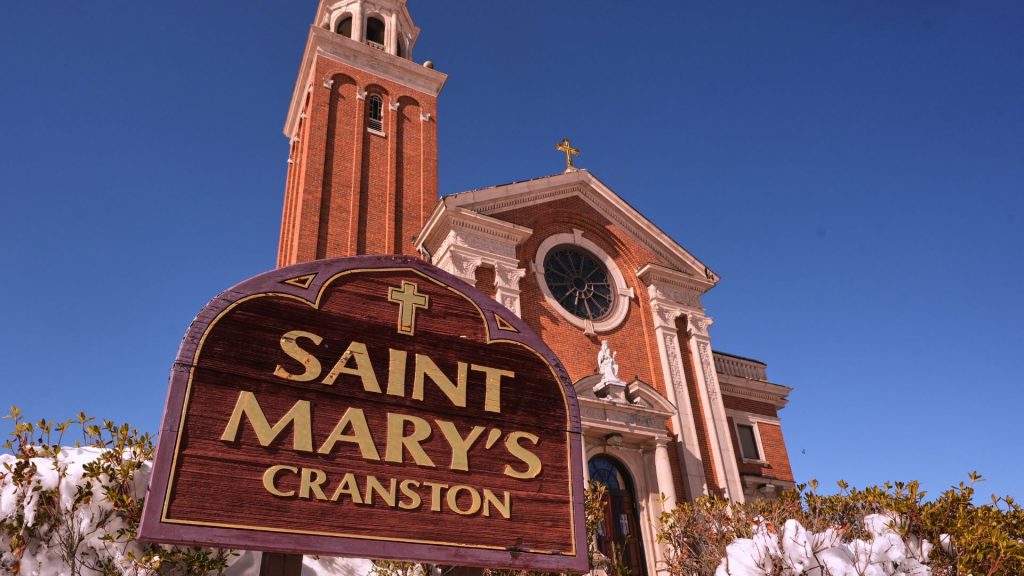
A massive, decades-long controversy that has roiled Rhode Island’s Catholic community was stirred anew this week with the release of a 282-page report detailing years of sexual abuse by priests and cover-ups by church officials.
The report — which follows a more than five-year investigation by state Attorney General Peter Neronha — found that 75 Catholic clergy molested at least 315 victims since 1950. However, investigators believe the numbers — of victims and offenders — is actually much higher.
Still, according to NBC News, only 20 people named in the documents have faced criminal charges. Of those, just 14 were convicted. A dozen others were reportedly defrocked and dismissed from the church.
Rhode Island is not only the smallest but also the most heavily Catholic state in the country. Although similar scandals have occurred in Catholic dioceses across the nation, this one may have directly or indirectly affected a greater proportion of residents.
Neronha’s report emphasized how the years of abuse impacted victims.
“Each survivor we spoke with recounted unthinkable trauma at the hands of trusted religious leaders, and yet what stood out most was their bravery, resiliency, and commitment to accountability,” Neronha wrote in a statement. ”I also want to honor those who could not come forward, whether due to trauma or because they are no longer with us. We recognize and remember you, as well.”
Scale of the abuse
Most of the abuse occurred in the 1960s and ‘70s, according to the report. The most recent reported abuse occurred in 2011, when the principal of a Catholic school accused a deacon of pulling down the pants of several boys, the Rhode Island Current reports.
“The Diocese would have you believe that this report is historical; that child sexual abuse by clergy members is a thing of the past and not worth drudging up,” Neronha said in his statement. “To that I say: the pain that survivors and their families suffer knows no statute of limitations, and history always has something to teach us.”
Investigators said clergy targeted children who were “especially vulnerable to
isolation and manipulation.” Some victims included children from troubled homes, altar boys and those attending Catholic schools.
Most of the victims were boys between the ages of 11 and 14, the report said. They took an average of nearly 30 years before reporting their abuse.
From 2020 to 2022, during its investigation, Neronha’s office brought new indictments against four current and former priests for child sexual abuse.
How did this go on for so long?
The report states that the diocese regularly protected priests accused of sexual abuse, often transferring them to new congregations. Investigators found evidence that Catholic leadership destroyed confidential files after accused priests died.
While the church got better at reporting abuse by 1990, authorities were usually kept in the dark before then. Of the 28 complaints the church received between 1950 and 1989, just one was referred to police, United Press International reports.
“Instead, the Diocese kept the abuse secret; they hid and they obfuscated,” Neronha wrote. “And while the situation has improved in recent years, there remains work to be done.”
Neronha highlighted Rhode Island’s lack of transparency as another reason the abuse continued so long. The state forbids judicial officials from releasing grand jury reports, which could have warned the public of the widespread abuse far sooner.
The law required Neronha’s office to sign an agreement with the diocese for its records, CBS News reports.
Authorities had a difficult time speaking to victims since many of them came from devout Catholic families. Oftentimes, victims’ parents were deeply involved in the church, with many even welcoming alleged abusers into their homes.
How have Rhode Islanders reacted?
The report is especially disturbing in Rhode Island, where 39% of the population identifies as Catholic. Neronha is Catholic himself but criticized the church for not doing enough.
“If you’re the Diocese of Providence and you’re listening, this is a scandal you need to own and you need to fix,” he said at a press briefing Wednesday. “We can’t slow-walk solutions, and we can’t slow-walk justice.”
Bishop Bruce Lewandowski apologized to the victims in a video. However, in a written statement, he said that much of the report’s findings had already been uncovered, saying they were “already subject to civil and criminal litigation, and well-publicized in the media.”
What happens now?
Three of the four clergymen Neronha’s office charged are awaiting trial. The fourth died after a judge deemed him incompetent to stand trial in 2022. But Neronha is looking for more proactive measures to make sure the abuse doesn’t happen again.
He is calling on the state’s legislature to pass four major reforms. They include allowing grand jury reports to be made public, extending the state’s civil statute of limitations to allow victims more time to file lawsuits and increasing the criminal statute of limitations for second-degree sexual assault.
He is also asking lawmakers to clarify the state’s mandatory reporting law to require reporting of known or suspected child abuse committed by clergy or other religious leaders.
Neronha also has recommendations for the church. He has proposed the diocese provide compensation to the victims, as other dioceses have done. Between 2004 and 2023, Catholic dioceses and related organizations have paid out more than $5 billion to settle lawsuits over clergy sexual abuse.
Neronha has promised his report will remain open, giving additional victims the opportunity to speak out.
“To this day, survivors of Diocesan clergy abuse continue to come forward, and they deserve justice,” he wrote. “For survivors, and for our future, I urge the Diocese and the General Assembly to implement these and our other proposals. This must never happen again.”
Ella Rae Greene, Editor In Chief