Pentagon’s failed audit obscures how taxpayer dollars are actually being used
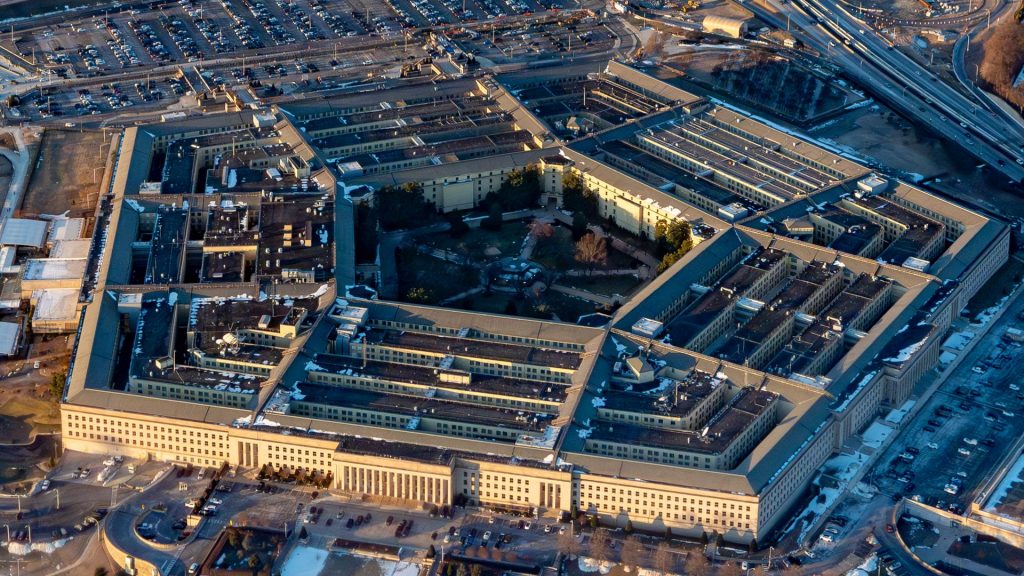
The Pentagon is responsible for America’s largest budget, but it’s the only major federal agency to have never passed a financial audit. 2025 marks the agency’s eighth consecutive failure, with this year’s Department of Defense Agency Financial Report highlighting a range of persistent weaknesses.
Inconsistent tracking across several areas contributed to this failure, including the Joint Strike Fighter Program — the Pentagon’s effort to field a next‑generation strike aircraft, known as the F-35, for the U.S. military and allied nations. Auditors found the department could not verify key assets in the program’s Global Spares Pool. The F‑35 program is projected to exceed $2 trillion over its lifespan, yet auditors found the department could not fully account for the assets tied to it.
Setting the stage
Annual financial audits have been a standard requirement for federal agencies since Congress passed the Chief Financial Officers Act of 1990, which created modern financial reporting rules and required agencies to produce auditable statements. Most departments came into compliance in the 1990s and early 2000s, but the Pentagon lagged behind because of its size and the complexity of its systems.
Congress eventually set a firm deadline for the department to undergo a full audit, leading to its first comprehensive review in 2018. Since then, annual audits have become routine for the Pentagon.
Today, the Pentagon has framed its current budgetary priorities around cutting lower‑priority projects and increasing funding for rebuilding readiness and strengthening defense.
“By prioritizing resources, embracing innovation, and fostering a culture of accountability, the Department will continue to adapt and thrive,” Defense Secretary Pete Hegseth stated in his message from the 262-page report.
For fiscal year 2025, Congress granted $1.312 trillion to support the department in these goals. However, because of the breakdown in auditing, Americans are unable to confirm whether taxpayer dollars actually contributed to those priorities.
What auditors found — and didn’t
The audit shows that the Pentagon struggles with the basic systems and controls needed to track what it owns and how it spends money.
Across the department, auditors identified 26 “material weaknesses,” the most serious type of internal control failure. Many of these weaknesses stem from outdated or incomplete financial systems. Some of the systems also don’t comply with the Federal Financial Management Improvement Act of 1996, but that isn’t new — the agency has acknowledged the noncompliance since fiscal year 2001.
Speaking of systems, auditors were not sure of how many exist. They noted that the department doesn’t maintain a complete or accurate list of the financial systems that it relies on.
Because the Pentagon’s systems don’t work reliably at the macro level, they also break down at the transaction level. In several cases, auditors found that the department couldn’t produce the basic data needed to back up its own numbers. They reported that the department “did not provide transaction‑level populations” to support key adjustments or material line items, and there were instances of missing documentation needed to match reported balances to the underlying transactions, meaning the Pentagon couldn’t show the receipts behind parts of its financial statements.
Even the Pentagon’s Fund Balance With Treasury — its account with the U.S. Treasury — could not be fully supported. As of Sept. 30, 2025, the department reported a $1 trillion balance, but auditors found that department leaders and the Defense Finance and Accounting Service couldn’t “adequately support” the beginning balances.
Pocket impact
For taxpayers, the Pentagon’s audit is more than an internal accounting exercise. It measures whether the nation’s largest budget is traced and verified. Failures in accountability limit the public’s ability to understand whether those funds are being used as intended. National defense accounted for 13% of all federal spending in fiscal year 2024, according to the Office of Management and Budget.
It’s important to note, however, that a lack of reporting doesn’t inherently mean that money is being misspent. The Office of Inspector General notes that the audit failure stems from insufficient evidence, not identified misuse.
The OIG plans to issue another report in late spring 2026, which will provide more detail on the factors contributing to the weaknesses cited in this year’s report.
The post Pentagon’s failed audit obscures how taxpayer dollars are actually being used appeared first on Straight Arrow News.
Ella Rae Greene, Editor In Chief