Olympic qualifier event in Utah moved East, highlighting water crisis in the West
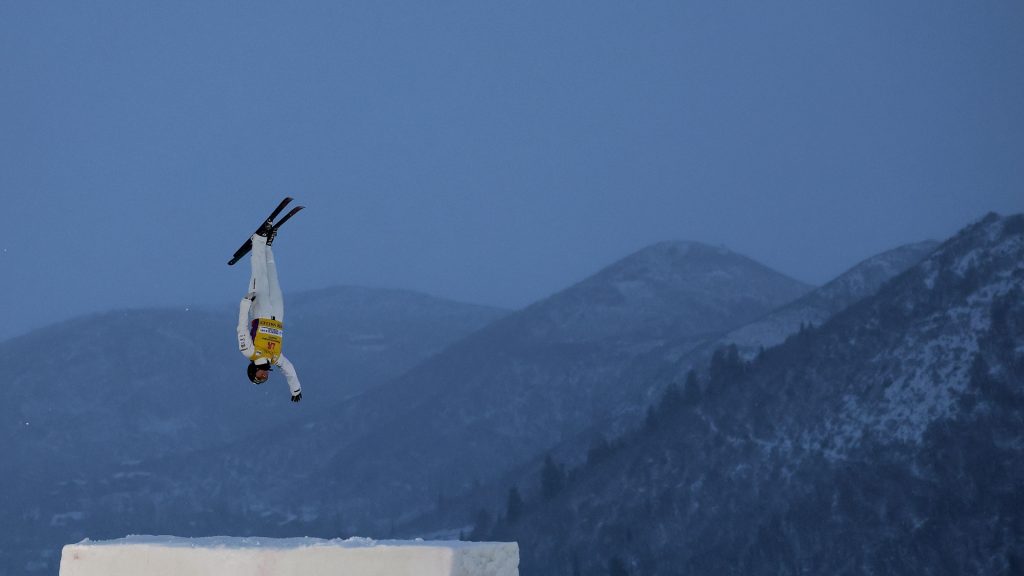
The International Ski & Snowboard Federation (FIS) World Cup aerials and moguls events scheduled to be held at Deer Valley Resort in Park City, Utah, next month have been moved to other venues in the East, officials confirmed. The decision to preemptively move the event comes as Utah and the Rockies face a severe lack of snow.
U.S. Ski and Snowboard and Deer Valley both cited “unseasonably warm weather” as the reason to move the events.
“In partnership with USS&S and FIS, we made the difficult, but ultimately the right decision to shift Deer Valley’s annual World Cup competition to other venues,” Deer Valley CEO Todd Bennett said in a statement to Straight Arrow News. “This year’s event was scheduled nearly three weeks earlier than in recent seasons, and sustained warm temperatures, unlike anything we have ever seen before, limited our ability to build the aerial and dual mogul venues to the standards our staff and athletes deserve.”
Olympic implications
Rather than outright cancel the events, organizers made the decision to move East to provide another opportunity for athletes to qualify for the Olympics, which are scheduled to take place in Italy in February.
The individual aerials events will now take place in Lake Placid, New York, on Jan. 11 and 12, replacing a previously scheduled team event. The moguls events moved to Waterville Valley Resort in New Hampshire on Jan. 15 and 16.
The Northeast is one of the few regions retaining snow this holiday season. The Weather Channel projected that only select regions, including the upper Midwest, mountain West, upstate New York and northern New England, are likely to have snow on the ground on Christmas Day.
Snowpack problem in the Central Rockies
Moving the event underscores a growing problem this winter in the Central Rockies: the snowpack is severely below average.
In the Jordan region, which covers Park City and many of Utah’s ski areas, the snowpack is sitting around 49% of its annual average. While some areas in the state have seen slightly more water, it is still only at 54% of its typical snowpack.

In neighboring Colorado, the state is averaging 55% of its annual average snowpack.
Unbiased. Straight Facts.TM
Utah’s snowpack is currently at 2.7 snow water equivalent inches, or 54% of the median snowpack. Typical snowpack for Dec. 23 is 4.9 inches.

In Utah, 95% of the state’s water for the year comes from the snowpack. While the state saw a lot of rain in October, the lack of snow means that reservoirs could low next summer. Approximately 60% of the state is experiencing a severe drought.
A smaller snowpack and prolonged drought create another potential problem: when there is a smaller annual snowpack, the following wildfire season is typically longer. Research from Colorado State University showed that soil burned in wildfires retained about 25% less moisture than unaffected soil, which means the areas would require significantly more moisture to get out of drought conditions.
The unseasonably warm weather is forecast to continue across Utah and Colorado through the holidays. Although there is some snow in the forecast, it is not enough to catch snowpack levels up by the new year.
The post Olympic qualifier event in Utah moved East, highlighting water crisis in the West appeared first on Straight Arrow News.
Ella Rae Greene, Editor In Chief