Nations agree to climate deal at COP30 without direct mention of fossil fuels
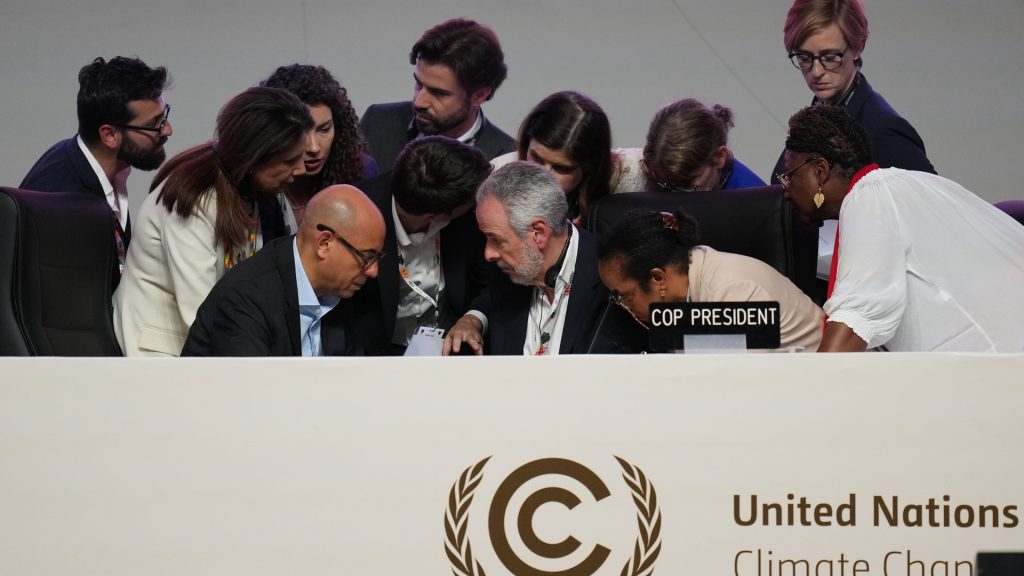
World leaders agreed to a climate deal after two weeks of negotiations at the COP30 conference in Brazil. While it aims to provide funding for developing nations dealing with climate change, the compromise doesn’t include any direct mention of fossil fuels.
The COP presidency in Brazil did say it would create side texts for a global roadmap to move away from fossil fuels, though.
COP30 deal faces criticism
A coalition of countries, including Saudi Arabia, rejected a move to add language into the deal on a transition away from fossil fuels. More than 80 countries, as well as the European Union, pushed to add this language.
Disagreements made the talks go over their Friday deadline, leading to overnight negotiations before the countries reached a compromise.
The United States declined to send a delegation to the summit, which took place in the Amazon city of Belem.
Speaking after the deal was approved, COP30 President Andre Correa do Lago said talks were tough. “We know some of you had greater ambitions for some of the issues at hand,” he said.
Panama’s climate negotiator, Juan Carlos Monterrey, criticized the deal, saying that “a climate decision that cannot even say fossil fuels is not neutrality, it is complicity.”
“What is happening here transcends incompetence,” Monterrey said.
In its own statement, the Center for International Environmental Law called it an “empty deal.”
“COP30 provides a stark reminder that the answers to the climate crisis do not lie inside the climate talks — they lie with the people and movements leading the way toward a just, equitable, fossil-free future,” Nikki Reisch, CIEL’s director of climate and energy program, said. “While the countries most responsible for pushing the planet to the brink point fingers, dig in their heels, and tighten their purse strings, the world burns.”
While the EU agreed on Saturday not to block the deal, it still said it disagreed with the conclusion.
“We would have liked to have more,” EU Climate Chief Wopke Hoekstra said. Still, she added, “we do think we should support it because at least it goes in the right direction.”
What is in the deal?
Under one part of the deal, countries agreed to a voluntary initiative to accelerate efforts on climate action and help countries meet their pledges to reduce emissions.
It also tasks countries with reviewing how to align international trade with climate actions. Rich nations were urged to triple the money given to developing countries, which face rising sea levels and severe weather, including floods and droughts, due to climate change.
Although it doesn’t directly address fossil fuels, Axios notes that the section on the “Global Implementation Accelerator” does talk about the “United Arab Emirates Consensus.” The consensus came from 2023 United Nations talks in Dubai that urged the “transitioning away from fossil fuels in energy systems.”
The post Nations agree to climate deal at COP30 without direct mention of fossil fuels appeared first on Straight Arrow News.
Ella Rae Greene, Editor In Chief