ISIS isn’t gone. It’s fractured, global and still dangerous
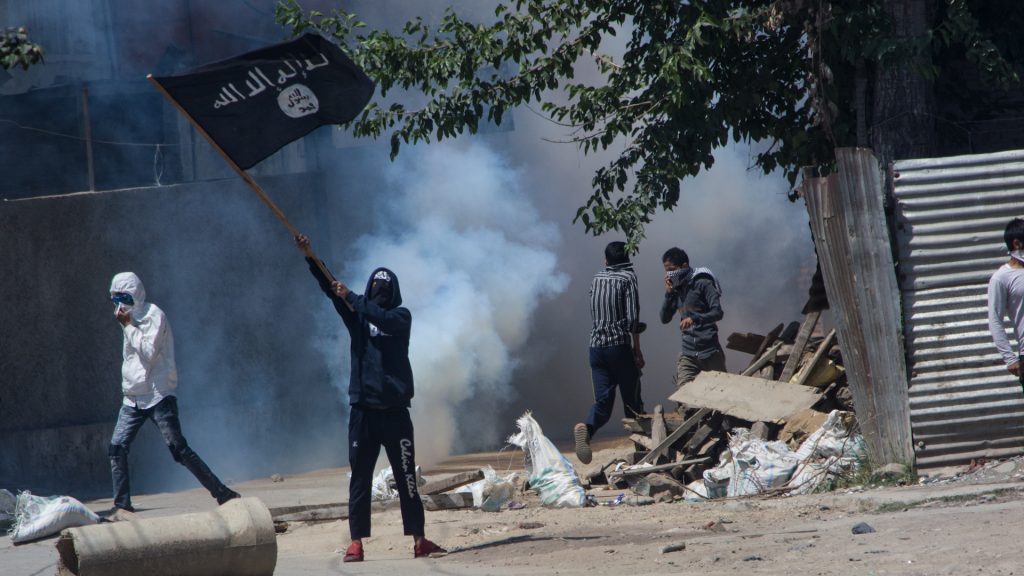
The U.S. airstrikes carried out Thursday against ISIS targets in Nigeria and earlier this month in Syria are part of a broader reality Washington has been warning about for years. The group no longer holds territory the way it once did, but it remains active, adaptive and dangerous.
Pentagon officials say ISIS has evolved into a decentralized global network — less visible, harder to track and capable of inspiring or directing attacks far from its original strongholds.
What ISIS looks like now
ISIS emerged from al-Qaeda in Iraq more than a decade ago and once controlled large swaths of territory across Iraq and Syria. That so-called caliphate collapsed in 209, but U.S. and intelligence assessments say the organization never disappeared.
Instead it splintered.
According to U.S. estimates, the terror network now oversees at least 15 affiliated branches across Africa, Asia and the Middle East, with 8,800 to 13,100 members globally, including 1,500 to 3,000 in Iraq and Syria.
Experts cited by The New York Times say ISIS is now at its weakest in Iraq, but has shown renewed activity in parts of Syria, operating through small, covert cells rather than large formations.
How ISIS carries out attacks today
U.S. officials describe ISIS-linked violence in three broad categories: “directed” plots involving trained operatives acting on orders; “enabled” attacks where guidance is provided remotely; and “inspired” violence committed by self-radicalized individuals with no direct contact to the group.
Officials say this model allows ISIS to stay relevant even when its leadership is under pressure. Past attacks in Europe, including the 2015 Paris kosher supermarket hostage-taking and vehicle attacks in Nice and London, are often cited as examples of enabled or inspired by violence.
Where ISIS is most active now
ISIS affiliates have been linked to deadly attacks well beyond Iraq and Syria.
The group’s Afghan affiliate, ISIS-K, has been blamed for mass-casualty attacks in recent years, including a concert hall assault in Russia that killed nearly 140 people and twin bombings in Iran that left more than 80 mourners dead.
U.S. officials are also monitoring ISIS-linked growth in parts of Africa, including the Sahel. An ISIS affiliate claimed responsibility for a March 2024 in Niger that killed about 30 soldiers.
Many of these attacks have targeted Shiite Muslims, whom the Sunni extremist group considers apostates, though Christians and other civilians have also been victims.
Why the US is still striking ISIS targets
U.S. forces say the recent strikes are aimed at preventing ISIS from regrouping and planning external attacks.
On Dec. 19, American and Jordanian aircraft carried out Operation Hawkeye Strike in central Syria, hitting more than 70 ISIS targets with over 100 precision munitions. The operation targeted weapons caches, infrastructure and operational hubs.
The Pentagon warned in July that ISIS attacks in Iraq and Syria were on pace to double from the previous year. Officials also say that more than 9,000 suspected ISIS fighters remain held in over 20 detention facilities across Syria, according to The Times.
CENTCOM Commander Adm. Brad Cooper described the strikes as defensive, aimed at stopping plots against U.S. forces, allies and the American homeland. No civilian casualty assessment has been released.
How the Nigeria strike fits in
Against that backdrop, U.S. officials say the Christmas day airstrikes in northwest Nigeria — announced by President Donald Trump — targeted ISIS-linked militants operating in a region long plagued by extremist violence.
Africa Command says its initial assessment shows “multiple ISIS terrorists” were killed. Nigerian officials have said their government provided intelligence support for the operation.
.@POTUS “Tonight, at my direction as Commander in Chief, the United States launched a powerful and deadly strike against ISIS Terrorist Scum in Northwest Nigeria, who have been targeting and viciously killing, primarily, innocent Christians, at levels not seen for many years, and… pic.twitter.com/ct7rUW128t
— Department of War
(@DeptofWar) December 26, 2025
The strike followed months of U.S. warnings about growing extremist threats in West Africa, where ISIS affiliates operate alongside groups such as Boko Haram.
Defense Secretary Pete Hegseth warned this is just the beginning, saying simply, “More to come.”
How other governments are responding
ISIS-linked threats remain a concern beyond U.S. battlefields. Turkish authorities said they arrested 115 suspected ISIS members in raids tied to alleged plots against Christmas and New Year events, according to The Hill.
The post ISIS isn’t gone. It’s fractured, global and still dangerous appeared first on Straight Arrow News.
Ella Rae Greene, Editor In Chief