Iran war may leave Ukraine short of key missile interceptors
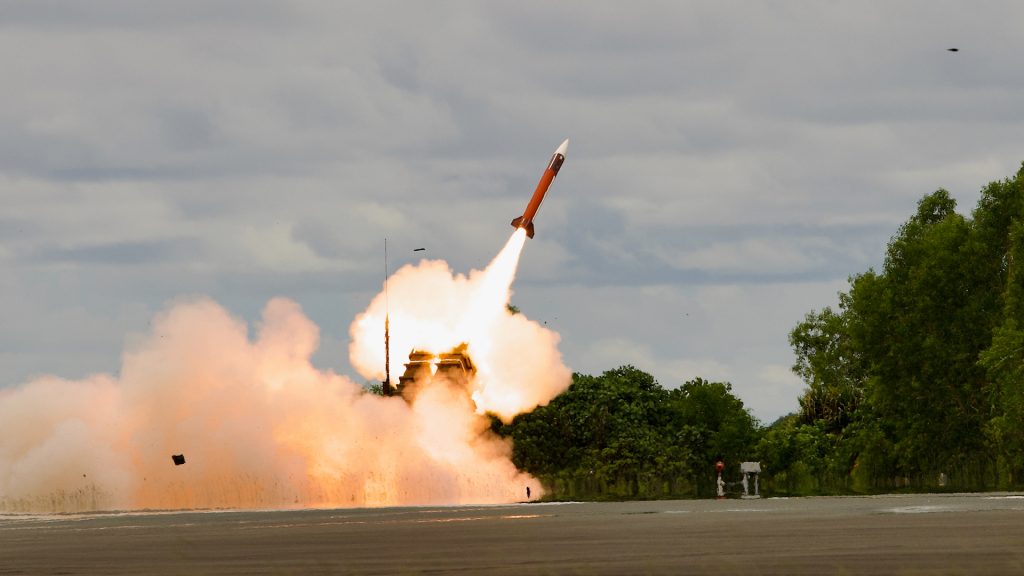
The war with Iran is driving heavy use of air-defense interceptors, raising concerns in Kyiv and Europe about the availability of systems Ukraine relies on to blunt Russian missile strikes.
Ukrainian President Volodymyr Zelenskyy has warned Ukraine “may have difficulties acquiring missiles,” especially U.S.-made Patriot missile interceptors, if the U.S. and its allies in the Middle East prioritize them for their own defense, The New Voice of Ukraine reported.
Those constraints could benefit Russia if shortages leave Ukraine with fewer interceptors to counter Russian ballistic-missile strikes, according to The Wall Street Journal and Politico.
Why Patriots are the bottleneck for Ukraine
Ukraine’s biggest air-defense challenge is Russia’s ballistic missiles. The country’s air force says the Patriot system is “the only solution,” the Journal reported, citing Col. Pavlo Yelizarov, deputy chief of Ukraine’s air force.
Ukraine’s air force estimates it needs at least 60 PAC-3 interceptors per month to keep pace with Russian ballistic-missile attacks. A senior European government official told Politico that if the Middle East operation drags on, Washington could prioritize rebuilding its own stockpiles first, leaving fewer U.S.-made interceptors available for Europe and Ukraine.
EU High Representative Kaja Kallas warned that scarce air-defense capabilities needed in Ukraine are now being pulled toward the Middle East. Kallas also warned that the escalation could lift oil prices, which she said could help the Kremlin finance its war, just another way the Iran conflict could tilt the balance of power in Russia’s favor, RBC-Ukraine reported.
Interceptor strain
Iran’s missile-and-drone attacks are driving interceptor use in the region. The Journal reported that Gen. Dan Caine, chairman of the Joint Chiefs of Staff, said Iran had fired more than 500 ballistic missiles and 2,000 drones since the campaign began. The U.S. and Gulf states have fired hundreds of interceptors to repel missile and drone attacks. Analysts estimate Gulf states could run through interceptor stocks within days if the pace continues.
Production is limited even as interceptor demand spikes. Lockheed Martin produced just over 600 PAC-3 interceptors in the U.S. in 2025. Analysts told the Journal that defenders often fire multiple interceptors at each incoming missile.
On Monday, Secretary of State Marco Rubio contrasted Patriot interceptor output, which he put at “six or seven” a month, with Iran’s missile production, which he said exceeded 100 missiles over the same period.
Zelenskyy called interceptors a matter of survival. “Everyone understands that for us, this is our life — the appropriate weapons,” he told reporters Monday, according to Politico. In a separate interview cited by The New Voice of Ukraine, Zelenskyy said Iran’s strikes on Israel last June delayed missile deliveries to Ukraine and warned, “Perhaps the Americans will need them, just like last year.”
US officials downplay supply risks
The U.S. government pushed back on the idea of a capacity problem.
“The United States Military is fully equipped to achieve any and all of the president’s strategic goals,” said White House spokesperson Anna Kelly.
Zelenskyy said it was “too early” to know whether the Middle East conflict would hurt Ukraine’s weapons supply line, and said Ukraine would try to keep domestic production running “at full capacity,” Politico reported. Former deputy defense minister Kateryna Chernohorenko urged Ukrainian arms firms to buy critical components to cover the next 12 to 24 months, warning of a potential “crisis of components.”
Kallas also suggested Ukraine could help Gulf partners because Ukraine has developed drone interceptors and drone protection, RBC-Ukraine reported, as similar drones are used in both theaters.
Ella Rae Greene, Editor In Chief