Homes still unobtainable for most despite smallest price increase in nearly 15 years
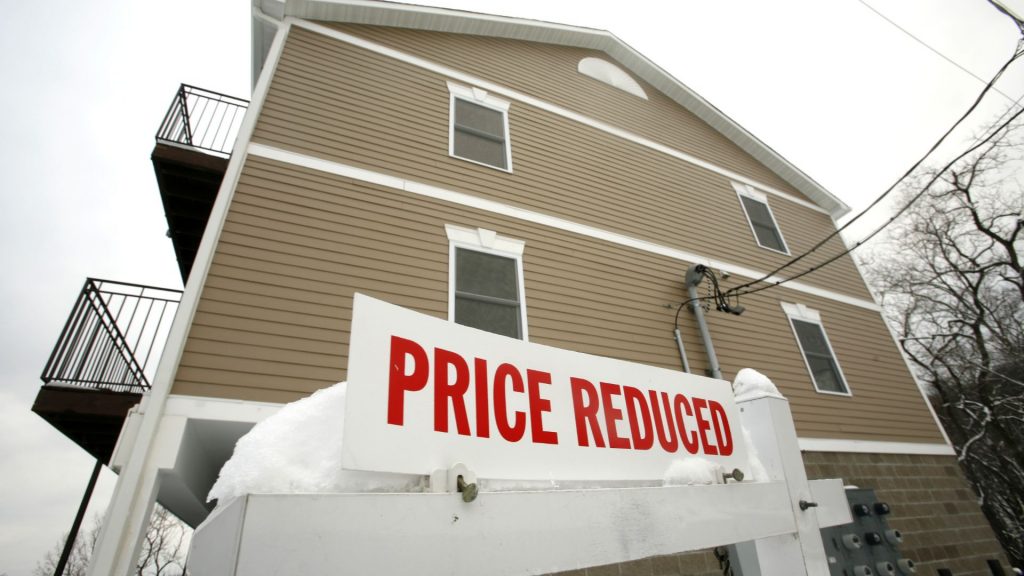
U.S. home prices in October rose at the slowest annual rate in nearly 15 years, according to government data. While that’s a sign of more affordable housing, the vast majority of Americans still can’t afford a median-priced home.
According to the Federal Housing Finance Agency, home prices in October rose 1.7% from a year ago, the smallest annual price increase since March 2012, when the country was beginning to recover from the 2010 foreclosure crisis. October’s slight increase comes after prices spiked a month before by 1.8%.
Regionally, home prices fluctuated. Home prices in the lower Midwest dropped by 0.7%, while prices in the Mid-Atlantic region increased by 5.3%.
How much do homes cost on average?
Home prices have fallen significantly since the COVID-19 pandemic. Widespread work-from-home policies and record-low interest rates sent the real estate market into a frenzy, with prices rising at annual rates near 20%, according to Reuters.
Homes are still expensive, with the median home price in the U.S. at about $415,000. Before the pandemic, the median home price was sitting at just under $281,000.
These prices also drastically differ by region. West Virginia has the lowest median home price at about $253,000. Washington, D.C., leads by a mile, with a median home price of $1.3 million. The second-highest median home price is in Hawaii, at just under $958,000.
Can Americans afford to buy a home?
Unbiased. Straight Facts.TM
An American making $83,730, the median income in 2024, can afford a $287,000 home according to Zillow’s affordability calculator.

A wide majority of Americans are dealing with affordability issues. A recent Marist poll asked more than 1,400 adults if the cost of living in their area was affordable, with 70% saying it was not.
While less so, home prices are still increasing, keeping many Americans’ dream of owning a home simply a dream. In 2024, 77% of Americans couldn’t afford a median-priced home. That has now risen to more than 80%.
According to Zillow’s affordability calculator, to afford a median-priced home in 2025, a person would need to make at least $115,000 with a $20,000 down payment and no debt. Without a down payment, a person would need to make at least $120,000.
One good sign for prospective home buyers is that mortgage rates are trending down. Currently, the average rate for a 30-year fixed mortgage is 6.18%, down from 6.21% last week. On Christmas week a year ago, Freddie Mac listed rates averaging 6.85%.
How is the housing market expected to behave in 2026?
Economists predict the average rate for a 30-year mortgage will remain slightly above 6% in 2026. Home prices are expected to cool next year but those looking to get into the housing market shouldn’t hold their breath for a collapse. Experts predict prices to rise about 1.2% in 2026.
They said the main reason home prices continue to rise is because of supply. Listings have improved but they haven’t gotten to where they were before the pandemic. Some areas have improved more than others. For example, inventory in the Northeast and Midwest still lags behind 2019 levels.
Experts say, on paper, it appears as if next year will be a buyer’s market, but that’s not the case. Because of supply constraints, areas that haven’t reached pre-pandemic levels will not see home prices drop, since sellers won’t need to entice buyers. These regions will become seller’s markets, while areas with a larger supply of homes will become buyer’s markets.
The post Homes still unobtainable for most despite smallest price increase in nearly 15 years appeared first on Straight Arrow News.
Ella Rae Greene, Editor In Chief