Historic bomb cyclone buries Northeast under record-breaking snow
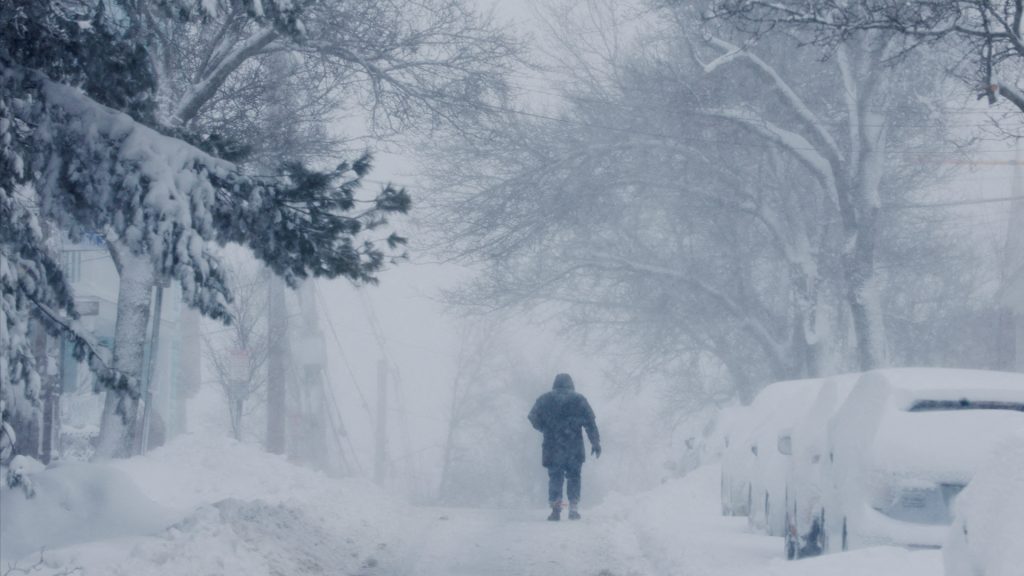
A powerful winter storm, described by meteorologists as the strongest in a decade, dumped 1 to 3 feet of snow across parts of the Northeast and triggered blizzard conditions, according to CNN. National Weather Service forecasters characterized the system as a textbook nor’easter that rapidly intensified into a “bomb cyclone” off the Atlantic seaboard.
The system shattered records in Rhode Island. A weather spotter measured 37.9 inches of snow at T.F. Green International Airport in Warwick, breaking the previous record set during the infamous 1978 blizzard, according to The Associated Press.
Storm’s toll on travel and power
The storm, named Winter Storm Hernando, paralyzed the region. It disrupted schools, with major transit systems in parts of the region suspending or stopping service. The Weather Channel reported the storm has been linked to at least two deaths, prompting governors in seven states to issue emergency declarations.
The severe weather also triggered massive flight disruptions. Citing FlightAware tracking data, the AP reported that more than 2,000 flights in and out of the U.S. were canceled on Tuesday alone. The impact was staggering over the long weekend. CNN noted that more than 10,000 U.S. flights were grounded between Sunday and Tuesday, while The Times reported over 5,600 nationwide cancellations on Monday.
The combination of heavy, wet snow and hurricane-force wind gusts — including an 83 mph gust recorded on Nantucket — brought down trees and power lines. CNN reported that outages peaked at roughly 650,000 customers on Monday.
Cleanup, school decisions and the next storm
CNN reported the Weather Service said 1 to 3 feet of snow fell from the Mid-Atlantic to New England, with some of the highest totals in Rhode Island. Central Park recorded 19 inches of snow, while Warwick exceeded 3 feet, topping the nation so far, the AP reported. Meteorologists cited by the AP called it the strongest storm in a decade and said hurricane-force wind gusts hit parts of Cape Cod, including an 83 mph gust on Nantucket.
By Tuesday, some mass transit services were slowly returning and roads were beginning to reopen, though hard-hit communities were still digging out from deep drifts.
The Weather Channel reported that Massachusetts remained the hardest-hit state for power outages Monday evening, with about 282,000 customers in the dark, along with tens of thousands of outages in New Jersey, Delaware, and Rhode Island. Massachusetts Gov. Maura Healey, comparing the devastation to the 1978 blizzard, imposed travel bans in the southeastern part of the state and lowered speed limits on the Massachusetts Turnpike.
Due to the blizzard, officers are deploying All-Terrain Vehicles to safely respond to calls.
We’re still out there patrolling, answering calls for service, and staying engaged with our community.
Please stay safe, and don’t hesitate to reach out if you need assistance.
pic.twitter.com/44GQFUaHIC
— Boston Police Dept. (@bostonpolice) February 23, 2026


In New York City, Mayor Zohran Mamdani said schools would reopen for in-person classes on Tuesday after classes were canceled on Monday. However, the decision drew sharp criticism from local leaders and the head of the teachers’ union, who told the AP that navigating uncleared sidewalks would create “a big mess” and likely lead to high absenteeism.
Meanwhile, residents have little time to recover. CNN reported that a separate, fast-moving weather system will push across the Great Lakes on Tuesday before hitting the Northeast late Tuesday night into Wednesday. While most areas are expected to receive less than 2 inches of fresh accumulation, forecasters warn that higher elevations across New England, New York and Pennsylvania could see higher totals. National Weather Service meteorologist Frank Pereira said even a few extra inches on top of hard-hit areas could make cleanup more difficult.
The post Historic bomb cyclone buries Northeast under record-breaking snow appeared first on Straight Arrow News.
Ella Rae Greene, Editor In Chief