Health problems surged after devastating Los Angeles wildfires, study finds
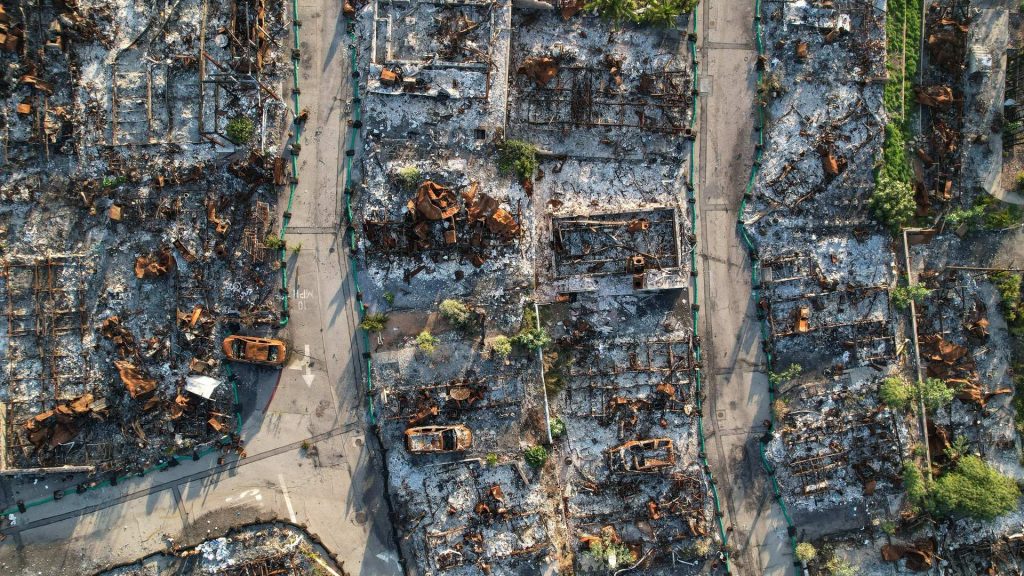
Less than a year after massive wildfires tore through Southern California, a new study suggests residents are experiencing significant health fallout. It reports sharp increases in emergency room visits for heart, lung and systemic illnesses.
Researchers at Cedars-Sinai Medical Center in Los Angeles County found emergency visits rose markedly in neighborhoods affected by January’s Palisades and Eaton fires. The findings were reported by The Wall Street Journal and published in the Journal of the American College of Cardiology.
Toxic exposure after historic fires
The Palisades and Eaton fires burned more than 35,000 acres, destroyed thousands of homes and devastated entire neighborhoods. Experts said fires of that scale release a complex mix of metals, chemicals and fine particles into the air as homes, vehicles and infrastructure burn.
“You have a much greater magnitude and a much greater complexity of toxins being produced by the disaster, affecting a very large, large population of people,” said Dr. Susan Cheng, vice chair for research at the Smidt Heart Institute at Cedars-Sinai.
What the data shows
Researchers analyzed emergency room visits from residents in fire-effected and adjacent zip codes between Jan. 7 — when the Palisades Fire began — and April 7. They compared those figures to the same time frame across multiple prior years, from 2018 to 2024.
The study found emergency room visits from those communities more than doubled, rising to 398 cases. Many patients reported symptoms such as chest pain, abdominal pain and dizziness that could not be explained by dehydration or heart attacks.
Emergency visits for heart attacks increased by 46%, while cases of pneumonia and other pulmonary illnesses rose by 24%. Researchers also observed a dramatic 218% spike in systemic illnesses requiring emergency medical attention.
Laboratory testing showed some patients had blood abnormalities, as well as changes in kidney or liver function. Cheng said those findings point to biochemical and metabolic stress on the body, likely linked to toxic exposure from wildfire smoke.
According to the WSJ, fine particulate matter released during wildfires is known to damage both the heart and lungs.
Independent expert reaction
Dr. Mary Johnson, a principal research scientist in environmental health at Harvard’s T.H. Chan School of Public Health, said the findings suggest wildfire-related illness may be underrecognized.
“What it tells me is that we’ve probably been missing a lot of illness that has not appropriately been attributed to smoke exposure,” Johnson said. She added researchers are still learning how toxins from burning man-made material affect human health.
A growing body of evidence
The authors concluded in the Journal of the American College of Cardiology that residents experienced “major adverse health outcomes” in the immediate aftermath of fires, including increases in both cardiopulmonary and systemic illnesses that warrant further study.
Earlier research points to longer-term risks as well. A study, released in June by the American College of Cardiology, found that repeated exposure to wildfire smoke may raise the risk of heart failure, particularly among older adults, women and other vulnerable populations.
The post Health problems surged after devastating Los Angeles wildfires, study finds appeared first on Straight Arrow News.
Ella Rae Greene, Editor In Chief