From hot cocoa to CPR: A rundown on staying safe during the winter storm
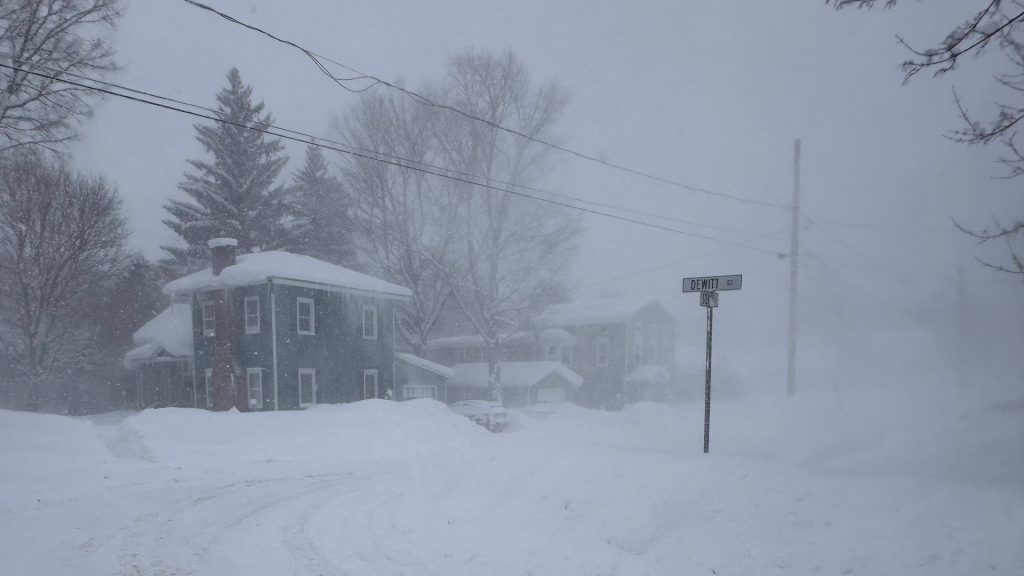
The weather outside will be frightful this weekend, with a major storm and frigid temperatures affecting millions of people across the U.S.
According to The National Weather Service, “catastrophic ice accumulations” are expected throughout the Southern Plains to the Southeast/Mid Atlantic and “dangerously cold temperatures” will expand across the eastern U.S. into early next week.
Places set to see the heaviest snowfalls are the Southern Rockies, Plains, and the Mid-Atlantic and Northeast regions.
Meteorologists forecast heavy snow, sleet, and freezing rain that could lead to hazardous driving conditions, power outages and tree damage. AccuWeather predicted a major icing event could leave people without power for days, particularly in the South.
Jonathan Porter, AccuWeather Chief Meteorologist, warned that the “winter storm will shut it all down.”
“This could be the biggest snowstorm in more than five years for some areas,” he said.
Everyone in the storm’s path should stock up with emergency supplies, food, bottled water, a charged phone and emergency heating options, Porter says.
“Be prepared to be stuck at home for several days. The storm will stall daily life activities for several days in some places,” he added. “It may be very difficult, if not impossible, to reach emergency shelters or warming centers.”
What should you have on hand in the storm?
Along with food and water, the Federal Emergency Management Agency suggests having these items at home:
- Prescription medications and first-aid supplies
- Flashlights, batteries, power banks and phone chargers
- Blankets, warm clothing, extra layers, hand warmers
- Baby supplies or pet food
- Rock salt and a working snow shovel.
- Textured grip shoes to reduce falls on slippery surfaces
What do I do if the power goes out?
First things first: during a power outage, you need to turn off and unplug smaller appliances such as televisions, computer equipment, game consoles, fans and lights, Edison International, a California-based public utility company and parent of SoCal Edison, says. These electronics are especially vulnerable during an outage, and improper care of them can cause damage and make them unsafe. They can also cause your power to go out once it’s restored.
However, larger appliances, such as refrigerators, should not be unplugged. Fridges and freezers should be kept closed, though.
Edison International acknowledges, though, that it might not always be possible to unplug. That’s where surge protectors can come in handy. Some appliances even have them built in — though you may need to replace them every few years.
How long can food last in my fridge during an outage?
If you made a last-minute trip to the grocery store, you don’t have to worry about that food going to waste, even if there’s no electricity. Per the Food and Drug Administration, a closed refrigerator will keep food cold for about 4 hours, while a full freezer can keep its temperature for about 48 hours — if it remains unopened.
If you have any perishables, though, that have been room temperature for at least two hours — toss them.
To keep the refrigerator as cold as possible, buy dry ice or a block of it. About 50 pounds of dry ice can keep an 18 cubic foot freezer cold for two days if it’s fully stocked.
Those who want to eat refrigerated or frozen meat, poultry, fish or eggs while still at safe temperatures should remember to thoroughly cook it to a safe minimum internal temperature. However, the FDA cautions that these foods, if not kept adequately refrigerated or frozen, could cause illness — even if cooked properly.
Once your power is restored, check the temperature to make sure it’s at 40 degrees Fahrenheit or under. That means the food is safe and can be refrozen. If it wasn’t in the freezer, check the package.
How to stay warm in below-zero temperatures
Many places are set to see subzero temperatures this weekend..
With this in mind, the Centers for Disease Control and Prevention say to have an extra heat source if the power goes out. This means blankets, sleeping bags, warm winter coats, or portable space and kerosene heaters if you don’t have a fireplace. Before using a kerosene heater, though, check to make sure they are legal where you live.
Layering clothes is key if you need to go out. Adults and children should be wearing a hat; scarf or knit mask; sleeves snug at the wrist; mittens and water-resistant coats and boots, the CDC said. Staying dry is imperative, as wet clothing will chill the body faster.
If you start feeling too warm, though, drop the extra layers: excessive sweating can cause you to lose body heat.
And while a glass of wine or steaming cup of coffee might be tempting, the CDC suggests avoiding them, as alcoholic and caffeinated beverages also cause people to lose body heat. Other warm, sweet beverages or broths should keep you warm, though.
How do I know if I have frostbite or hypothermia?
Even if you take precautions, with weather this icy, there’s still a risk of hypothermia or frostbite. If you are unfortunate enough to get either, it’s important to find a warm place and get medical help immediately.
Some signs of frostbite, according to Red Cross, are: a lack of feeling in the affected area; skin that appears waxy, that’s cold to the touch, or is discolored. Handle the frostbitten body parts gently and don’t rub them; instead, soak them in warm water, around 100-105 degrees.
Hypothermia, the Red Cross notes, could be life-threatening. Signs of it include a glassy stare; shivering, numbness, apathy, weakness, impaired judgment or even loss of consciousness. To treat it, call 911, gently move the person with hypothermia to a warm place and monitor their breathing and circulation. Remove any wet clothing they have on, and wrap them in warm blankets and dry clothes. You may need to administer CPR or rescue breathing.
The post From hot cocoa to CPR: A rundown on staying safe during the winter storm appeared first on Straight Arrow News.
Ella Rae Greene, Editor In Chief