California’s PG&E cuts 2026 electric rates 5%. Not all customers will benefit
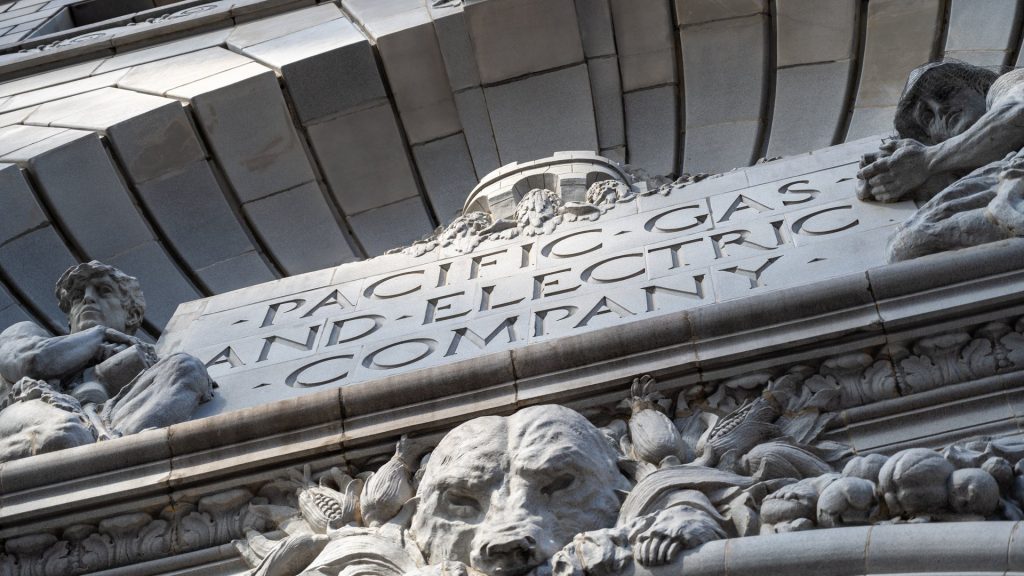
California’s largest utility company, Pacific Gas and Electric, said a subset of its customers will pay lower rates in 2026 than in 2025. The company’s announcement cuts against the national trend of rate increases, but California electricity rates are still far higher than the rest of the country.
The typical electric bill for a customer using 500 kilowatt-hours of electricity each month will decrease by $7 per month or $84 per year, compared with last year, according to PG&E. The company said all residential electric customers who receive both electricity supply and delivery service from PG&E should expect to pay about 5% less in 2026. Customers who already receive discounts through the low-income assistance program, California Alternative Rates for Energy (CARE), will see a smaller reduction of about $4 per month.
In addition to electric rate changes, monthly gas bills will decrease by about $1 per month, PG&E said.
“We remain committed to finding new ways to save and pass those savings on to our customers,” PG&E CEO Patti Poppe said in a press release.
For the past decade, California’s electricity rates have increased faster than the rest of the country. With over 5.5 million electric customers, PG&E provides power to Californians from the rural northern coast, to the Bay Area, the Central Valley and stretching as far south as Santa Barbara County. The utility’s stabilization comes as the company already charges more than double the national average, which is also rising steadily.
Which PG&E customers will see a rate reduction?
About two-thirds of PG&E customers use the company’s network of distribution and transmission lines, but do not buy their electricity directly from PG&E. These customers will not receive the 5% rate cut.
Unbiased. Straight Facts.TM
From 2017 to 2024, Pacific Gas & Electric’s residential electricity rates increased by 87%, while the average electricity rate nationwide increased by 28%.

Most residential utility customers have the option to purchase electricity from a “Community Choice Aggregator” — city and county governments that agree to procure electricity for their residents. The local governments enter into contracts with power companies to generate electricity. The aggregators can independently negotiate how much to pay for electricity generation, but the power is still delivered through PG&E’s grid, and the residents who choose this option are still considered PG&E customers.
On the other hand, “bundled” customers pay for delivery and generation through PG&E. The 5% rate reduction only applies to bundled customers, which is about one third of the total customers served by PG&E, according to the company.
What is the electricity price trend for PG&E?
The gap between prices for PG&E customers and the national average has widened from about 10 cents per kilowatt hour in 2020 to 23 cents in 2024, according to data from the U.S. Energy Information Administration. In 2024, PG&E customers paid nearly twice as much for the same amount of electricity as they did in 2017.
California’s electric rates have increased so fast due to increased spending by utility companies in the wake of destructive wildfires. However, critics of the utility industry have previously told SAN that there’s a lack of transparency around how investor-owned utilities, including PG&E, invest in electric grid upgrades.
Like many other states, California’s investor-owned utilities earn a guaranteed rate-of-return — called a return on equity — on infrastructure investments. The utilities can earn a greater profit by either spending more to upgrade infrastructure, or receiving a higher return on equity. Changes to both infrastructure investments and return on equity must be approved by the California Public Utilities Commission (PUC).
In December, the PUC lowered PG&E’s return on equity by 0.3%, meaning a slightly smaller percentage of what customers pay each month will be returned to investors. That reduction, however, is not the reason why the company is lowering rates now.
Why is PG&E lowering rates in 2026?
The rate reduction is due to lower costs to generate electricity and the fact that PG&E has fully collected a $1.2 billion charge to customers for safety and reliability improvements.
The company has also saved $3.3 billion in operating and capital costs in the last four years, said Lynsey Paulo, PG&E’s marketing and communications director, in an email.
The savings come from “using new technologies and improved processes, such as using drones to inspect equipment and grouping multiple electric projects into a single job,” Paulo told SAN.
The latest rate cut is the fourth since 2024, according to a company press release.
Economist and independent consultant Richard McCann said most of the reduction comes from a projection of lower natural gas prices compared to a year ago, which means it will cost less to generate electricity.
In an interview with SAN, McCann said PG&E is “hiding behind an external change in generation costs claiming that somehow they have gained control of their rates.” But the cost of natural gas is something the company has little control over, he said.
Moreover, McCann’s analysis of company filings with the PUC points to a 17% to 18% increase in spending on the distribution grid. He told SAN the rates will go back up if these spending increases continue and the cost of gas stays steady or spikes like it did between October and December of last year.
The post California’s PG&E cuts 2026 electric rates 5%. Not all customers will benefit appeared first on Straight Arrow News.
Ella Rae Greene, Editor In Chief