California regulators pressured to stop $917 million utility profit push
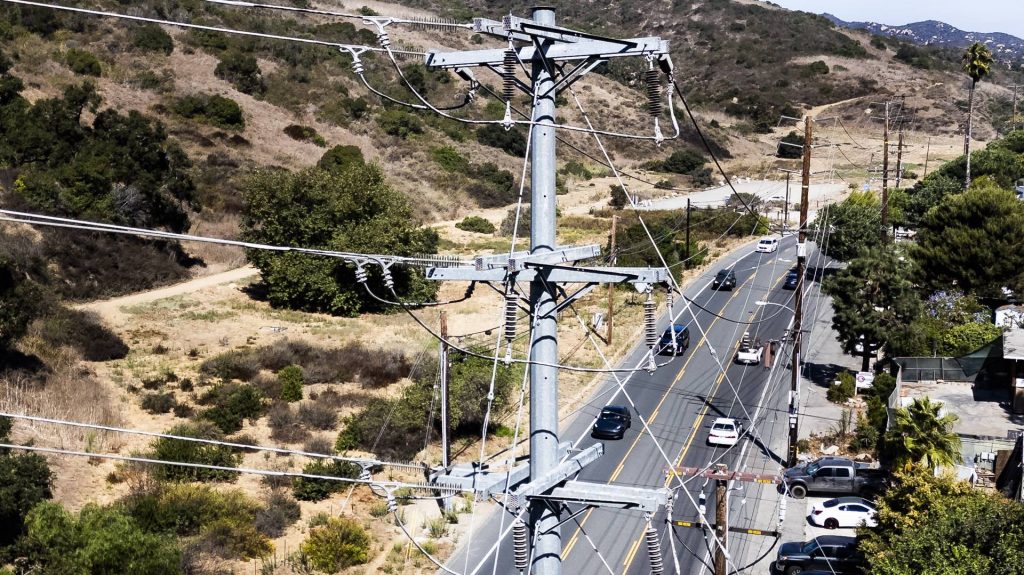
Pressure is growing for California regulators to reject electric and gas rate hikes proposed by the state’s largest investor-owned utilities. Pacific Gas & Electric, Southern California Edison, San Diego Gas & Electric and SoCalGas are collectively seeking nearly $1 billion in additional annual profits.
A letter signed Wednesday by 67 advocacy groups calls for the California Public Utilities Commission to deny increases to return on equity (ROE), a regulated utility company’s guaranteed rate of return from ratepayers on infrastructure investments like building new power lines. The ROE is part of electricity rates paid by consumers, and it helps utility companies borrow money for capital expenditures and ensures they can return a profit to shareholders.
The utilities requested ROE increases ranging from 0.92% to 1.42%, which would bring all the utilities’ profit above 11% for infrastructure investments. If approved, the ROE hikes would collectively mean Californians pay $917 million more per year.
“California residents are struggling with an unprecedented utility affordability crisis,” said the letter, which was signed by national environmental groups such as the Sierra Club and Center for Biological Diversity, consumer advocate nonprofits and local organizations from throughout the state.
How will the California Public Utilities Commission make this decision?
In response to the utility companies’ requests and public outrage over the increased cost of living, the utility commission created another proposal. Rather than granting the requested increase, the proposed decision lowers utilities’ return on investment by .35% from current levels.
The utility commission is expected to make a decision at its Dec. 18 meeting, but no outcome is guaranteed. The commission is currently accepting public comments on its proposed decision.
The new rates could go into effect as soon as Jan. 1, 2026. If the commission votes to approve the proposed decision, rates are likely to remain stable.
The letter goes beyond rejecting the utility’s favored ROE, and asks the utility commission to make further cuts, which could lower consumer bills.
“Reducing the current excessive ROE would provide immediate relief to struggling ratepayers while still allowing utilities to attract necessary capital investment,” the letter said.
Julia Rose Manriquez Dowell, a senior campaign organizer and one of the names signed onto the letter, told Straight Arrow News utility’s ROE is “one of the factors the commission can control to make sure we address affordability.”
Why do utility companies say they need to raise rates?
The utilities argue the profit margin boosts are necessary to attract investor capital for grid modernization and wildfire safety upgrades. The companies have cites elevated financial risks from past wildfire liabilities and increasing costs to borrow funds.
A consolidated filing from all four companies to the utility commission states, “In this climate of uncertainty, investors could decide to curtail or limit their investments in California utilities if the risk of recovering their investments is too great.”
PG&E said it needs to secure financing that will fund burying power lines in high fire-threat areas, according to NBC News.
“We need to make sure that our energy system is safe, and that does cost something,” PG&E’s CEO told NBC Bay Area earlier this year.
The letter argues that even with the risk of wildfires in California, utility companies are already safe investments at current rates of return.
The post California regulators pressured to stop $917 million utility profit push appeared first on Straight Arrow News.
Ella Rae Greene, Editor In Chief