As New York City’s congestion pricing turns 1, here’s how it’s working
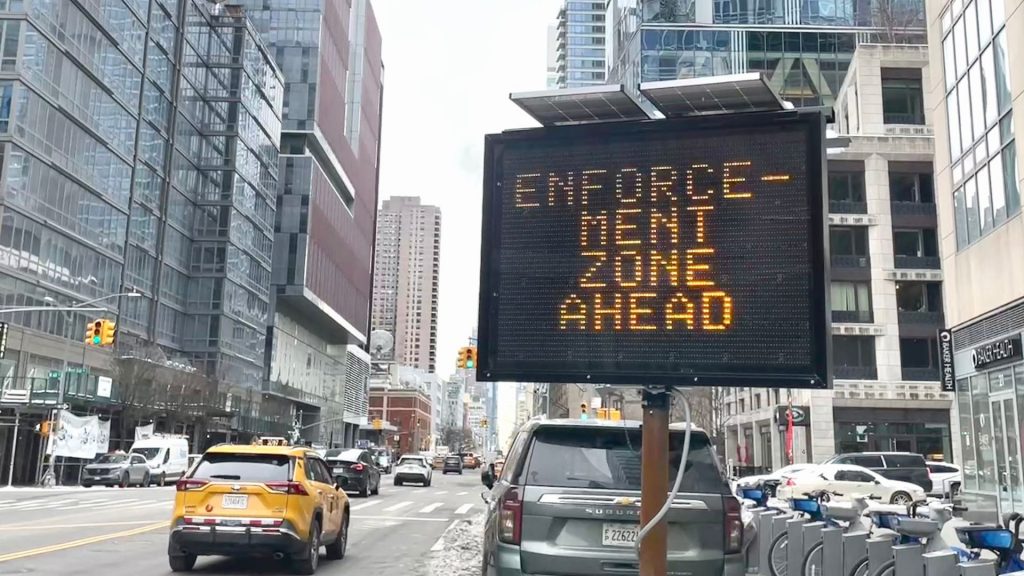
Monday marks one year since New York City began its congestion pricing toll for parts of the city. The controversial plan is an attempt to reduce traffic, improve air quality and raise revenue for the city.
Congestion pricing adds a $9 fee on most drivers entering Manhattan below 60th Street during peak hours. Cameras track vehicles entering the area and automatically toll the driver.
Critics of the plan raised concerns that it would hinder economic growth in the area where the toll is and place a burden on families and small businesses. The initiative faced bipartisan opposition, including from Gov. Phil Murphy, D-N.J., and President Donald Trump, who ordered the city to halt the program.
Data from the past year showed congestion pricing working as intended. It also showed that many concerns have not materialized. However, there are still challenges. According to Bloomberg, the Metropolitan Transportation Authority’s plans to borrow against the program’s revenue are still up in the air because of Trump’s legal challenges.
How well did congestion pricing help with traffic?
According to MTA data from January to November of last year, the plan has lowered congestion. The data showed that 71,500 fewer vehicles entered the area each day on average, compared to historical numbers.
That’s a total of 23.7 million fewer vehicles during the program’s first 11 months. The decrease helped the city’s public transportation, since it made taking the bus more appealing, according to Bloomberg.
But the program didn’t just affect vehicle traffic; it also changed foot traffic. While critics had noted concerns that congestion pricing could push people to avoid the area for shopping, entertainment or appointments. The area actually saw more people.
MTA data showed a 3.4% increase from 2024, which was greater than the 1.4% gain across Manhattan as a whole.
According to the congestion pricing tracker, an independent tracking website for the program, commute times dropped significantly. Many of the routes the program affected showed commute times shortened by nearly half during peak traffic times.
How much money did the city make?
The MTA set a goal of collecting $500 million — about $42 million a month — from the new toll in 2025. The city anticipates making more than $548 million in 2025. It’s important to note that MTA’s data for December is not out yet.
January and February were the only two months not to hit $42 million. The city earned $37.6 million and $40.4 million, respectively, during those months.
The city plans to begin selling its first-ever congestion-pricing bonds later this year, according to Bloomberg. The revenue from the toll would secure these new bonds.
Over the next few years, the MTA expects to earn $15 billion from congestion pricing, which it plans to spend on public transportation infrastructure.
Despite the concern that the congestion pricing could negatively affect business, New York City’s business didn’t slow down in 2025. The new toll didn’t stop residents and visitors from continuing to spend, with the city seeing a 6.3% increase in sales-tax revenue from 2024.
According to Bloomberg, New York City performed better than its neighboring counties.
What’s next for congestion pricing?
Legal challenges remain for the city’s congestion pricing: Department of Transportation Secretary Sean Duffy sent a letter to New York Gov. Kathy Hochul demanding she end the program in April 2025. Duffy warned of “serious consequences,” indicating the federal government could withhold federal funding from the state.
After Trump returned to office in 2025, his administration rescinded DOT’s prior approval of the congestion pricing plan made during the Biden administration. In response to the federal action, the MTA filed a lawsuit challenging the reversal in federal court.
A judge scheduled oral arguments for that case for Jan. 28, according to Bloomberg. The hearing is expected to address motions for summary judgment from both parties, which could lead to a final ruling on congestion pricing.
Despite the administration’s insistence on continuing the court case, there are doubts about its legal challenge. In April, lawyers representing Duffy and the DOT accidentally filed a document outlining the legal flaws in Trump’s attempt to terminate congestion pricing. The letter stated the plan faces “considerable litigation risk,” and courts are “unlikely” to accept it.
The post As New York City’s congestion pricing turns 1, here’s how it’s working appeared first on Straight Arrow News.
Ella Rae Greene, Editor In Chief