A weak jobs report adds pressure as oil prices take off and stocks sink
Americans have been hit with a succession of troubling economic signs this week, with the latest showing the jobs market could be weaker than most thought.
The Dow Jones Industrial Average is on track to have its worst week since October 2025, and oil price increases caused by the war in Iran have created a ripple effect of higher inflationary pressures.
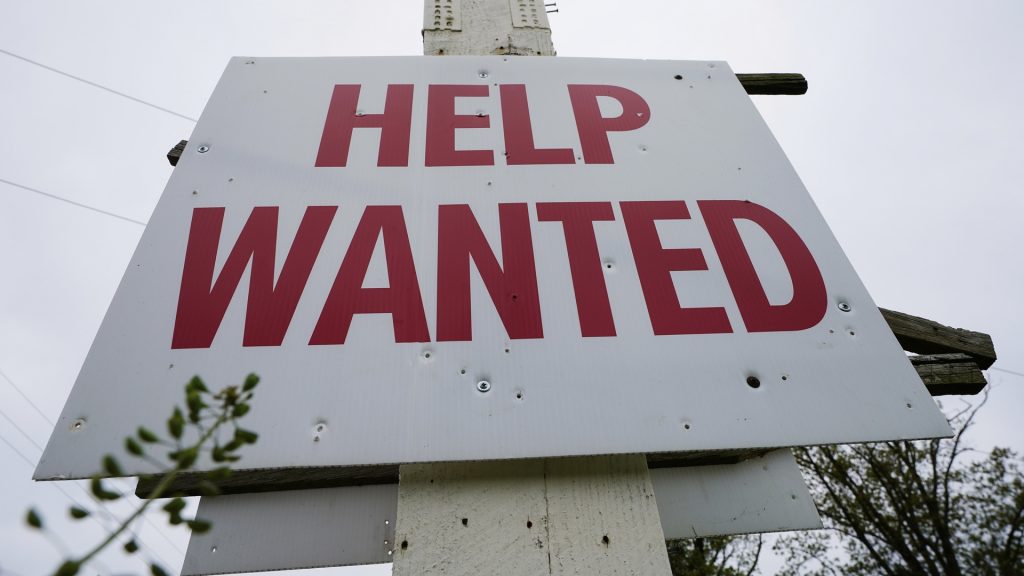
The latest economic red flag comes from the Bureau of Labor Statistics, as in its Friday report, it showed that jobs fell by 92,000 in February.
The Bureau of Labor Statistics jobs report showed that jobs fell by 92,000 in February, while the unemployment rate, meanwhile, is at 4.4%, slightly higher than 4.3% in January. Revisions to the December and January BLS reports were also revised down by 69,000 fewer jobs.
Employment in health care decreased, which the BLS attributed in part to a now-resolved strike affecting 31,000 workers in Hawaii and California. Also continuing to trend down are jobs in information (with a loss of 11,000) and the federal government (down 10,000).
Forecasters initially predicted gaining around 50,000 to 60,000 jobs.
“I think it just tells us that the hopes that the labor market was steadying, maybe that was too much,” Mary Daly, president of the Federal Reserve Bank of San Francisco, said to CNBC. “We also have inflation printing above target and oil prices rising. How long they last, we don’t know, but both of our goals are in our risks now.”
As of Friday afternoon, the S&P 500 was down by 75.95 points, or 1.11%; the NASDAQ dropped by 215.47, or 0.95%.
Friday’s numbers may have put the Federal Reserve “between a rock and a hard place,” Ellen Zentner at Morgan Stanley Wealth Management said, according to Bloomberg.
“Significant weakening in the labor market would support a rate cut, but given the risk that higher-for-longer oil prices could trigger another inflation surge, the Fed may feel compelled to remain on the sidelines,” Zentner said.
Reuters reported traders bet on Friday that the Fed could cut short-term borrowing costs in June.
Gas and oil prices
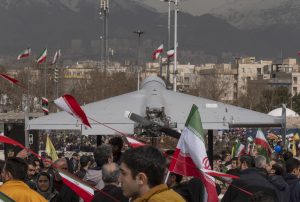
The current conflict in Iran, sparked Saturday by the U.S. and Israel’s joint strikes on the country, led to a sharp increase in oil prices. Iran, in retaliation for the attacks, has struck energy infrastructure in neighboring Gulf states and deterred oil tankers from sailing through the Strait of Hormuz, a vital chokepoint for about 20% of the world’s oil supply.
Both West Texas Intermediate futures and International Brent crude traded at above $90 per barrel after President Donald Trump wrote on Truth Social that there will be no deal with Iran “except UNCONDITIONAL SURRENDER!”
“After that, and the selection of a GREAT & ACCEPTABLE Leader(s), we, and many of our wonderful and very brave allies and partners, will work tirelessly to bring Iran back from the brink of destruction, making it economically bigger, better, and stronger than ever before,” Trump wrote.
Qatar’s energy minister said in an interview with the Financial Times that a Middle East war has the potential to “bring down the economies of the world,” and that Gulf energy exporters would shut down production within days — driving oil to $150 a barrel.
Even if the war ended immediately, Qatar would take “weeks to months” to get back to a normal delivery cycle after an Iranian drone strike at its largest liquefied natural gas plant.
AAA found on Friday that the national average for gas prices reached $3.32. Analysts had been expecting prices to surpass the $3 mark in the aftermath of the Iran strikes, though they said this can also be attributed to a seasonal rise in prices that usually happens in the spring.
Ella Rae Greene, Editor In Chief