A judge ordered the Pentagon to restore press access. A new rule sets more limits
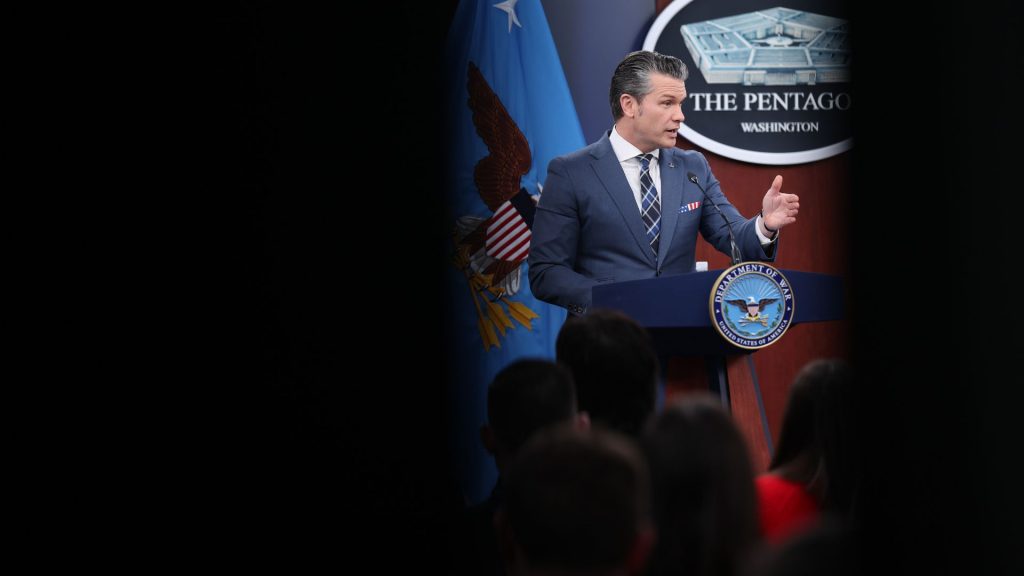
The Defense Department’s response to a judge’s order on media access to the Pentagon may land it back in court.
Late Monday, the Defense Department’s top spokesperson, Sean Parnell, announced that the Pentagon would close the offices historically used by journalists who cover the military and would restrict reporters to a new press area outside the main building. Journalists who need to physically enter the Pentagon would need an escort.
The decision followed a federal judge’s ruling that aspects of its press rules imposed last year by Defense Secretary Pete Hegseth were unconstitutional. The ruling came in a lawsuit filed by The New York Times, which argued the restrictions were overly broad and violated the First Amendment.
Are the new rules legal?
The changes announced Monday will make it harder for reporters across the political spectrum to report on the military. CNN reported that the Pentagon’s changes will “further reduce day-to-day press access” and limit the public’s understanding of what the military is doing. This information is especially critical as the war in Iran continues.
In addition to the new press area and escort requirements, the department is also changing the rules for journalists requesting press credentials, The Times reported.
The new rules were an attempt to find a legal way to restrict reporters’ access to the Pentagon and the military personnel who work there, Axios reported. In a similar vein, the White House restricted access to Trump by The Associated Press after the news service refused to change its style guide to align with an executive order changing the name of the Gulf of Mexico.
But Charlie Stadtlander, a spokesperson for The Times, said Monday that the new policy doesn’t comply with the judge’s order striking down the earlier restrictions.
“It continues to impose unconstitutional restrictions on the press,” he wrote. “We will be going back to court.”
The Pentagon previously said it planned to appeal the judge’s ruling but later announced that its new policies would comply with the order and still preserve military security, “without conceding the validity of the court’s analysis,” The Times reported.
Is reporting a ‘security risk’?
Top Pentagon officials have had a contentious relationship with the press since Trump returned to the White House last January. Hegseth has previously proposed denying an NBC News reporter access to the Pentagon before evicting several news organizations from their offices in the facility, according to The Times. Credentialed reporters had been given extensive access to the Pentagon since the building opened during World War II.
The Defense Department adopted a new policy allowing officials to declare reporters as “security risks” and revoke their press credentials if they sought or reported information that the Pentagon believed threatened national security.
Dozens of journalists turned in their press passes rather than agreeing to the new policy. The Pentagon then credentialed a new press corps, primarily consisting of far-right commentators and influencers who support Trump.
As Straight Arrow News previously reported, these new publications provided favorable coverage of Pentagon decisions and were less likely to cover U.S. attacks on suspected drug trafficking boats in the Caribbean and eastern Pacific Ocean than mainstream organizations, such as CNN or Fox News.
Trump administration officials have previously disputed that reporters were entitled to cover the Pentagon.
“The Department could have decided not to allow any press access to the Pentagon: access to the Pentagon is a privilege, not a right,” Department of Justice attorney Michael Bruns wrote in a filing.
Ella Rae Greene, Editor In Chief