A $1B offshore wind buyout promises to lower monthly bills. It’s not that simple
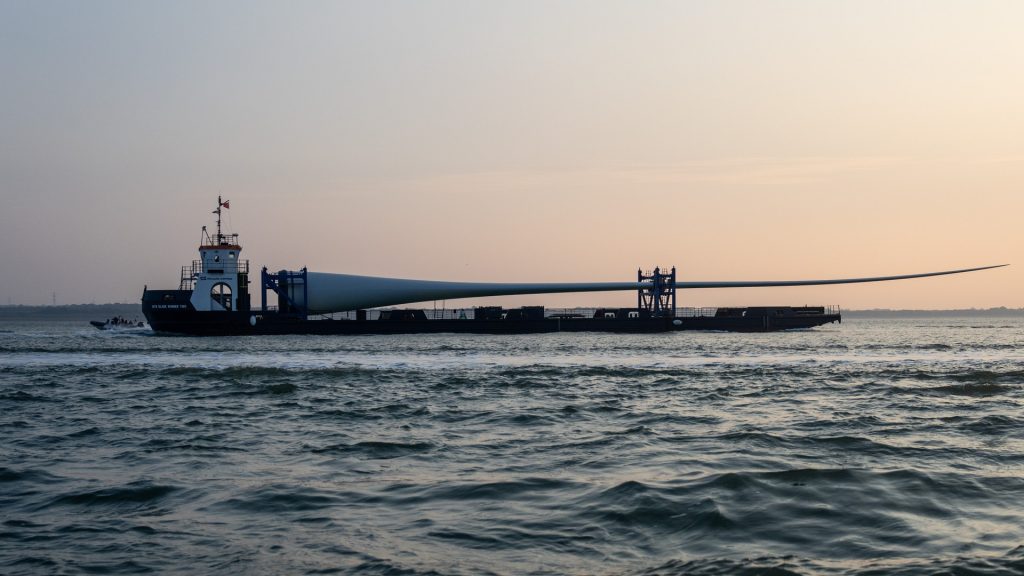
The U.S. government is paying a French energy giant nearly $1 billion to give up offshore wind leases and instead invest in exporting liquefied natural gas (LNG). The Trump administration said the decision was made to reduce Americans’ energy bills, but the details paint a more complicated picture.
TotalEnergies held two offshore wind leases off the coasts of New York and North Carolina. The company had planned to build wind farms capable of powering 1.3 million homes.
The Interior Department said the government’s $928 million payment is equal to the value of TotalEnergies’ relinquished leases, and as part of the deal, the company agreed to redirect those funds into oil and gas development and an LNG export terminal on the Texas Gulf Coast.
“We welcome TotalEnergies’ commitment to developing projects that produce dependable, affordable power to lower Americans’ monthly bills while providing secure U.S. baseload power,” Interior Secretary Doug Burgum said Monday, in a press release.
The Trump administration has repeatedly tried to sink offshore wind projects. It has argued that offshore wind is unreliable and expensive, and even cited classified reports that turbines interfere with military radar. Several judges rejected the latter argument when it was used to halt ongoing construction on five offshore wind farms last year. Each of those projects is back underway, but with the TotalEnergies deal, the Trump administration appears to be turning its attention toward preventing future development.
What is the rationale for investing in LNG rather than offshore wind?
The military radar interference is notably absent from the Interior Department’s announcement. Instead, Burgum leans into an economic message around affordability and grid reliability. He called the deal “another win for President Trump’s commitment to affordable and reliable energy.”
TotalEnergies CEO Patrick Pouyanné said the investments in gas production and LNG export capacity “will contribute to supplying Europe with much-needed LNG from the U.S. and provide gas for U.S. data center development.”
Pouyanné said the company was not abandoning offshore wind globally, only in the U.S., where the other investments are a “more efficient use of capital.”
Will TotalEnergies oil and gas investments help ratepayers?
While offshore wind would have directly provided electricity to East Coast consumers where grid conditions are tight, increased gas production has a more complicated path to reach consumers. As electricity demand surges from data centers, power companies are looking to build more gas-fired power plants, and higher gas production could lower fuel costs. But it’s not that simple.
Power companies currently face a five-year wait for turbines needed to build gas power plants, according to reporting in Utility Dive. The picture becomes especially murky when LNG exports are introduced.
To ship gas around the world, companies need to liquify it and send it to export terminals that fill tankers. LNG exports have been on the rise over the past decade. The U.S. Energy Information Administration acknowledges that LNG exports are putting upward pressure on consumer prices in the U.S.
“Higher natural gas prices in 2025 and 2026 are the result of strong export growth that persistently outpaces U.S. natural gas production,” the EIA wrote in a short-term energy outlook report last year.
“If you’re shipping our domestic resources overseas, you’re reducing the supply of gas,” said Jon Gordon, a senior policy director at the trade group Advanced Energy United.
Gordon called the deal an “absolute travesty” that does “nothing in the near term to benefit anybody other than the corporations that are producing the fuel.” The gas is subject to global prices, which can surge with world events, such as the ongoing war in Iran. But renewable energy is not dependent on global fuel prices, so it can act as a hedge against volatility, Gordon said.
“We are in desperate need of large-scale generation supply to bring down prices,” Gordon said. “This does nothing for prices.”
Editor’s note: This story has been updated since initial publication to correct the payment amount made to TotalEnergies.
Ella Rae Greene, Editor In Chief