How Red Light Therapy Technology Supports At-Home Treatment
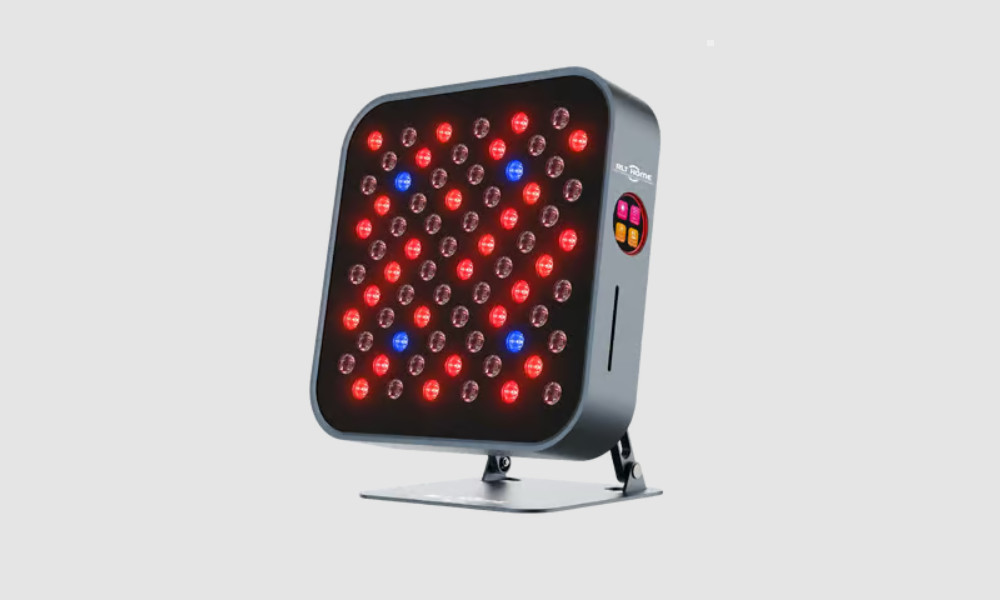
Choosing red light therapy technology for home use can be confusing. A variety of panel types, wavelengths, irradiance, number of LEDs, panel sizes and prices may be found. Then, it might be even more difficult because of manufacturer claims. A higher price or larger LED count does not automatically mean better results for your needs.
A better approach is to understand how each part of the technology fits your routine. Begin with your course of treatment and desired region. Then, consider wavelength, irradiance, dose, coverage, safety features, and measurement quality. When making your decisions, consider these factors in relation to each other so that you can choose technology that will work practically in your home.
Learning about the technology and its actual advantages may make it easier to manage at home.
The following sections explain what red light therapy technology involves and five ways it can support a consistent home routine.
Red Light Therapy Technology
Red light therapy technology uses specific light wavelengths produced by LEDs in devices such as panels and targeted units. Red light falls within the visible spectrum, while near-infrared light sits beyond it. Many devices combine both ranges in one panel.
Wavelength is an important specification when comparing devices. Common options include 630 nm, 660 nm, 810 nm, 830 nm, and 850 nm. Red wavelengths are generally used for more superficial targets, while near-infrared wavelengths can support deeper tissue exposure. Consider your treatment goals rather than simply choosing a device with more wavelengths.
Your home routine also benefits from reliable comparison data, especially when you are choosing between different light-based tools. Nick Urban, a biohacker and longevity expert, takes an experiential, research-based approach to evaluating these devices. His third-party lab tested red light therapy comparison gives you a practical way to review key specifications, including wavelength, irradiance, coverage, and other factors.
Irradiance measures optical power delivered over a specific area and is commonly reported in mW/cm². Since it can change with treatment distance, check measurements at a realistic distance rather than relying only on the highest advertised output. Dose also depends on irradiance and treatment time, making both factors important when planning your at-home routine.
Benefits Regarding At-Home Treatment
Red light therapy technology can make your home routine more manageable in several practical ways. Five benefits are particularly relevant when you consider how a device will fit into your space, schedule, and intended treatment approach.

1. Convenient Home Access
At-home red light therapy gives you convenient access to your device within your own space. You can position the panel where it works for your routine and plan sessions around your existing schedule. This can make treatment easier to incorporate into a routine that you already follow.
Device format can also influence convenience. A compact tabletop panel may suit targeted use and easy storage, while a larger panel may work better when you want broader coverage. Consider where you will use and store the device before making your choice.
2. Flexible Treatment Coverage
Device size determines how much of your intended treatment area you can reach during a session. Smaller devices can suit targeted areas, while larger panels can cover broader sections of your body. This gives you flexibility based on the area you want to treat and the space available at home.
Consider how much repositioning you are comfortable with during each session. A larger panel may reduce movement between areas, while a compact device can be easier to move and store. Your available space and preferred setup should guide the coverage you choose.
3. Greater Routine Control
At-home technology gives you more control over when and how you use your device. You can consider your schedule, available space, preferred positioning, and session setup without adapting your routine to another location. This can make it easier to establish a treatment schedule that fits your daily activities.
Practical features can support that control. Timers, simple controls, stable mounting, flexible positioning, and suitable cooling systems can make operation easier. Choose features based on how often you expect to use the device and how much setup your routine requires.
4. Personalized Light Selection
Different devices offer different wavelength configurations. Red wavelengths may include options such as 630 nm and 660 nm, while near-infrared options may include 810 nm, 830 nm, and 850 nm. Many panels combine multiple wavelengths in one device, giving you different configurations to consider.
Your intended use should guide how you evaluate these options. More wavelengths do not automatically make a device more suitable. Consider the specific wavelengths alongside irradiance, treatment distance, and coverage to determine whether the technology fits your intended routine.
5. Data-Based Device Selection
Reliable data can make your device selection more straightforward. Look for information about wavelength, irradiance, treatment distance, EMF, flicker, coverage, and other relevant specifications. Clear measurement details help you understand what each number represents and how it may apply to your home setup.
Independent measurements can provide additional context when available. Manufacturer specifications describe what a device is designed or claimed to deliver, while independent testing offers another perspective. Check testing conditions and measurement distance before comparing different devices so that you are evaluating similar measurements.
Making the Right Choice for At-Home Treatment
Red light therapy technology can support at-home treatment through convenient access, flexible coverage, greater routine control, personalized light selection, and data-based device comparison. Understanding wavelength, irradiance, treatment distance, device size, practical features, and measurement quality can help you determine how well a device fits your home environment.
Before buying, define your treatment goal and available space first. Then compare wavelength configurations, irradiance at practical distances, the relationship between irradiance and treatment time, coverage, useful features, and independent data. Focus on the complete device rather than one specification.
A practical, evidence-aware approach can help you choose technology that fits your home routine and makes at-home treatment easier to manage.
The post How Red Light Therapy Technology Supports At-Home Treatment appeared first on BNO News.
Ella Rae Greene, Editor In Chief