Distracted Driving Statistics 2026 – Phones, Infotainment, Smoking and Other Risks Behind the Wheel
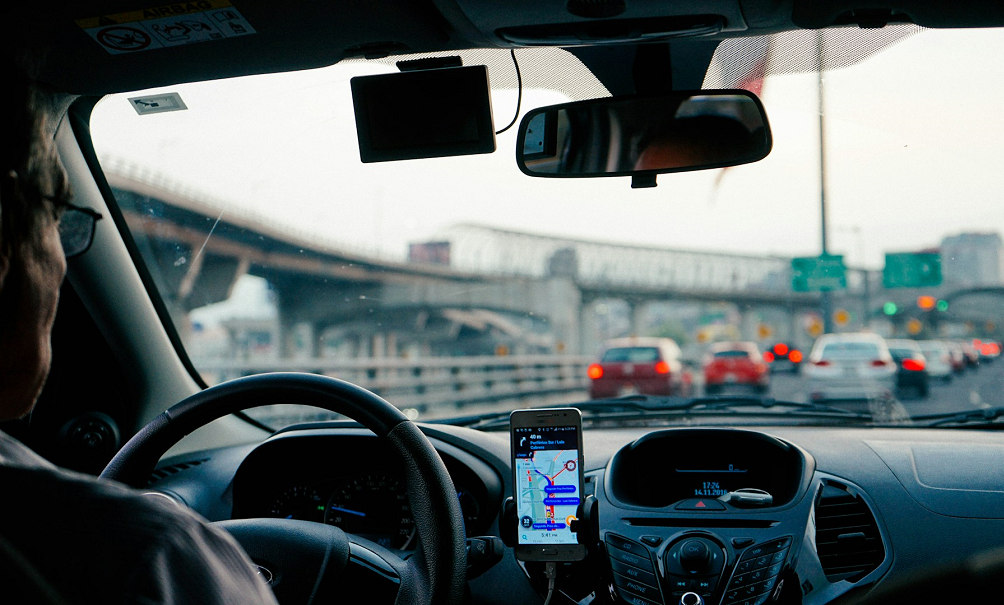
Distracted driving remains one of the primary causes of serious roadway incidents nationwide. Behind the wheel, a driver must process constant visual, manual, and cognitive information to navigate safely. When a driver shifts focus away from the road, the probability of a sudden collision spikes dramatically.
Mobile Phone Usage Behind the Wheel
Handheld devices represent a persistent hazard on modern roads. According to recent data from the National Safety Council, driver manipulation of handheld electronic devices rose 104%, moving from 2.2% up to 4.5% over a nine year span. Engaging with a phone requires a combination of visual, physical, and mental attention that severely degrades response time.
Texting, browsing social media, or adjusting handheld applications takes a driver’s eyes off the road for seconds at a time. At highway speeds, taking your eyes off the pavement for five seconds is equivalent to driving the entire length of a football field blindfolded. Drivers often overestimate their ability to multitask, leading to avoidable impacts.
Crash Probabilities and Phone-Related Distractions
The physical act of holding or checking a smart device drastically alters safety outcomes on highways. Findings from Cambridge Mobile Telematics show that drivers using their phones behind the wheel face a 240% higher risk of crashing compared to focused drivers. This surge in risk highlights the severe delay in braking and steering corrections caused by phone use.
Victims of serious collisions often face complex recovery processes and legal hurdles. Anyone suffering harm in a crash may need to seek legal counsel, and consulting a team that handles car accident lawsuits in Virginia can help clarify available remedies. Securing fair support helps injured parties manage medical bills and lost earnings.
The Rising Danger of In-Vehicle Infotainment
Modern dashboards feature large interactive screens that control everything from climate settings to navigation. Research by Nexar indicates that interacting with in-vehicle touchscreen infotainment systems can demand up to 40 seconds of eyes-off-road time for complex tasks. While these tools aim to add convenience, they frequently pull focus away from traffic flow.
Digital displays often feature deep sub-menus and tactile controls that lack physical feedback. Drivers must look directly at the screen to confirm their selections rather than keeping their gaze on surrounding traffic.
– Interactive touchscreens require visual confirmation for basic vehicle settings.
– Complex navigation entries cause extended periods of cognitive distraction.
– Digital instrument clusters can overwhelm drivers with non-critical notifications.
Demographics Most Affected by Distracted Driving
Distraction-related habits are particularly prevalent among younger demographic groups. Analysis published by Geotab reveals that Gen Z and Millennials, covering ages 16 through 45, account for 72% of all distracted driving violations. Less experienced drivers often struggle to recognize incoming road hazards while processing secondary tasks.
Younger motorists report higher comfort levels with mobile technology, which can translate into dangerous habits behind the wheel. The belief that one can safely monitor traffic while checking notifications leads to higher violation rates among younger operators.
Fatalities Involving Teen and Novice Drivers
Novice drivers lack the deep situational awareness needed to compensate for sudden distractions. A report by the Federal Communications Commission noted that 13% of drivers aged 15 to 20 involved in fatal crashes were reported as driving while distracted. This age group experiences a high rate of severe outcomes due to a lack of driving experience combined with device interactions.
Parents and educators continue to push for stricter enforcement and educational campaigns to curb device use among teens. High-school driving programs now focus heavily on the physical mechanics of distraction to illustrate how quickly a vehicle can drift out of its lane.
Minor Distractions, Smoking, Eating, and Grooming
While electronic devices grab the main headlines, non-digital distractions contribute significantly to daily crashes. Smoking behind the wheel involves multiple physical actions, including lighting up, holding a cigarette, and clearing ashes. Dropping a lit object or reaching for an ash tray creates an immediate panic response that takes a driver’s hands off the wheel.
Similarly, eating fast food or sipping beverages causes frequent manual disruptions. Reaching into bags, unwrapping food, or dealing with spills forces a driver to break their visual focus on the road.
- Lighting cigarettes or handling smoking materials causes physical and visual distraction.
- Eating meals while operating a vehicle forces one-handed steering control.
- Personal grooming, like applying makeup or adjusting mirrors, diverts critical attention.
Fatal Statistics Across National Roadways
The total human toll of distracted driving extends far beyond property damage. Over 3,000 people lost their lives in distraction-affected crashes across the United States in a single year, according to figures from the National Safety Council. These preventable losses reflect the widespread impact of minor focus lapses.
Safety organizations continue to lobby for tougher legislation, higher fines, and stricter enforcement to reduce these numbers. Public awareness campaigns stress that no text message or vehicle setting is worth a human life.

Road safety requires the active effort of every motorist sharing the pavement. By eliminating phone use, limiting display interactions, and keeping full attention on the environment ahead, drivers can help reduce collisions and protect lives on every journey.
The post Distracted Driving Statistics 2026 – Phones, Infotainment, Smoking and Other Risks Behind the Wheel appeared first on BNO News.
Ella Rae Greene, Editor In Chief