How to Choose the Right Tennessee Campground for Your Next Outdoor Getaway

Planning a campground stay in Tennessee sounds simple until you realize how many details can shape the whole experience. One place gives you river access and quiet mornings, while another puts you closer to busy roads and crowded sites. If you want a trip that feels fun instead of chaotic, it helps to know what separates a solid campground from one that only looks good in photos. A little planning can save you from a lot of avoidable frustration.
Start With the Setting You Actually Want
Not every campground gives you the same kind of experience, even if the website makes everything look equally peaceful. You need to think about what you want your days to feel like. Some people want shady sites, easy river access, and space to relax. Others care more about nearby activities and quick in-and-out convenience.
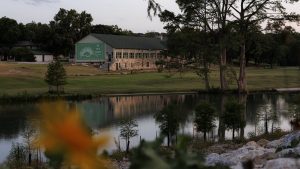
A smart first step is comparing location, site layout, and on-site amenities before you book. If you’re looking at campgrounds in Tennessee, pay close attention to whether the property offers direct outdoor access, family-friendly features, and enough breathing room between sites. River Cove Campground, for example, is located in Sevierville and offers camping near the Little Pigeon River, which can make the whole stay feel calmer and more connected to the outdoors.
Pay Attention to Site Types and Space
One of the fastest ways to ruin a camping trip is choosing a site that doesn’t fit your setup. That sounds obvious, yet plenty of people book first and ask questions later. Then comes the awkward parking job, the cramped picnic area, or the realization that your “spacious” site has all the elbow room of a school hallway.
Check whether the campground offers options for tents, RVs, or both. Look for practical details like full hookups, pull-through availability, level ground, and shade coverage. If you’re traveling with family, site spacing matters more than people expect. A little extra room can mean easier meals, fewer tripping hazards, and less stress during setup.
Photos help, but they don’t tell the whole story. Read the campground descriptions carefully and look for specifics instead of vague language. “Comfortable” can mean almost anything. Measurements and amenities tell you far more.
Consider What’s Nearby Without Overpacking Your Schedule
A good campground gives you more than a place to sleep. It also sets you up to enjoy the surrounding area without turning every day into a complicated mission. Tennessee offers a mix of outdoor recreation, scenic drives, and family attractions, so your location can shape how easy it is to build a balanced trip.
If you stay near Sevierville, you can combine laid-back campground time with nearby dining, shopping, and local activities. That kind of flexibility matters. You may start the trip picturing nonstop adventure, then realize halfway through that everyone needs a slower afternoon by the river. That’s normal, not a planning failure.
Try leaving room in your schedule for both movement and downtime. Campground trips usually go better when you don’t treat them like a checklist marathon. A little spontaneity often becomes the part you remember most.
Read Reviews Like a Realist, Not a Romantic
Campground reviews can be incredibly useful, but only if you read them with some judgment. One person may complain that a campground is “too quiet,” while another calls that same feature perfect. You’re not looking for dramatic opinions. You’re looking for patterns.
Focus on repeated comments about cleanliness, staff responsiveness, noise levels, maintenance, and ease of access. If several reviewers mention clean facilities and peaceful surroundings, that means something. If multiple people mention poor drainage, tight turns, or inconsistent service, pay attention.
You should also notice what reviews don’t say. If a campground claims exceptional amenities but guests rarely mention them, that can be a clue. Marketing copy is polished on purpose. Reviews tend to reveal how a place functions when real people show up with coolers, kids, and very little patience for nonsense.
Think About Budget in a Practical Way
Price matters, but the cheapest option isn’t always the best value. A lower nightly rate can lose its appeal quickly if the site lacks hookups you need, has poorly maintained facilities, or sits far from the activities you planned. Saving a little money upfront can lead to more driving, more inconvenience, and more stress.
Instead, compare total value. Ask yourself:
– Does the site include the utilities or features you need?
– Are you paying for a location that actually fits your plans?
– Will on-site amenities reduce extra spending elsewhere?
– Does the campground seem well-maintained and organized?
A campground that costs slightly more but gives you better access, cleaner facilities, and a smoother stay may be the smarter pick. Good budgeting isn’t only about spending less. It’s about avoiding dumb expenses that sneak in later.
Match the Campground to the Kind of Trip You Want
The best campground for you depends on the trip you’re trying to build. A quiet riverside stay works well for families who want flexible, low-pressure days. A stopover campground near major roads may suit travelers who only need a convenient overnight base. Neither choice is wrong, but mixing up those goals can leave you disappointed.
Before you book, picture a normal day on the trip. Are you cooking outside, sitting by the water, and staying put for long stretches? Or are you heading out early and returning late? Your answer should shape the type of campground you choose.
When you line up the setting, amenities, budget, and location with your actual plans, the whole trip gets easier. That’s when a campground stops being just a place to stay and starts becoming part of the experience.
Final Thoughts on Making the Right Choice
Choosing a Tennessee campground gets easier when you focus on real-life details instead of glossy promises. Site size, amenities, location, reviews, and overall value all matter because they affect how your days actually unfold. The goal isn’t finding a perfect campground on paper. It’s finding one that fits your pace, your setup, and the kind of memories you want to make.
Take a little extra time before booking. Ask better questions, read carefully, and trust specifics over hype. Your future self, standing beside a well-chosen campsite instead of wrestling with avoidable problems, will appreciate it.
The post How to Choose the Right Tennessee Campground for Your Next Outdoor Getaway appeared first on BNO News.
Ella Rae Greene, Editor In Chief