A faster, more targeted flu shot? FDA approves first mRNA vaccine
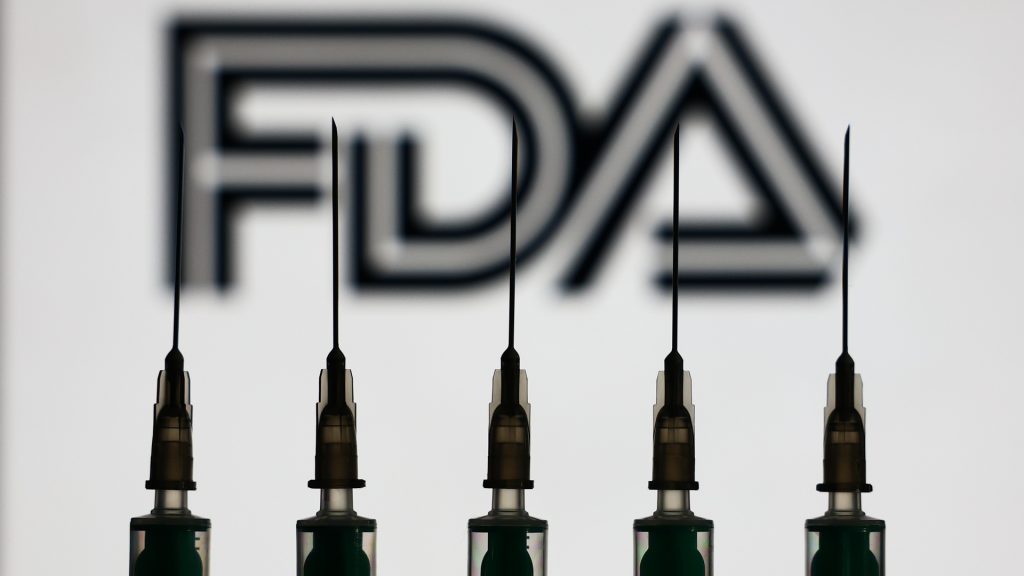
The Food and Drug Administration has approved the first mRNA-based seasonal flu vaccine. The Trump administration’s health officials on Wednesday approved Moderna’s mFLUSIVA vaccine for adults 50 and older.
The approval comes with the condition that Moderna must complete an additional clinical trial to further study the vaccine in adults 65 and older. The new vaccine was found to be about 27% more effective than a standard flu shot in a late-stage trial.
What’s different
Like Moderna’s COVID vaccines, mFLUSIVA uses messenger RNA technology. The company says that platform can produce a new vaccine in about two to three months, compared with roughly six months for traditional egg-based flu vaccines, giving scientists a better chance to match the strains circulating each season.

Moderna’s vaccine has been found to be about as safe as the current standard, but more people taking the mRNA vaccine reported side effects. However, the side effects reported were mostly mild and lasted two days or less.
“Flu remains a significant public health challenge, and mFLUSIVA provides an important new option for America’s seniors,” Moderna CEO Stéphane Bancel said in a statement. “This approval also reflects the ongoing potential of our mRNA platform to help address important public health challenges through continued scientific innovation.”
The newly-approved vaccine is expected to be available for people 50 and older for the 2026-2027 respiratory illness season.
FDA’s about face
The approval comes after the FDA earlier this year delayed its review of the vaccine. It then reversed course and moved ahead with the application after Moderna promised to conduct another study once the shot became available on the market.
Health Secretary Robert F. Kennedy Jr. has been vocal about his disapproval of the mRNA vaccines. Last year, the Department of Health and Human Services canceled at least $500 million of federally funded mRNA vaccine development, according to ABC News.

In a press release at the time, Kennedy said that funding was going towards “safer, broader vaccine platforms that remain effective even as viruses mutate.”
Vaccine specialists have long said mRNA vaccines help expedite production of shots and better match currently circulating strains of viruses.
Round out your reading
- Why Gen Z is staying home on the weekends.
- Autism research is entering a new era. Here’s what scientists are learning.
- The big reason small cities want data centers. Hint: It’s not permanent jobs.
- High school teacher arrested at city meeting after clapping for anti-data center speech.
- Off Script: Everyone’s watching Michigan. Our reporter explains why the race just changed.
Ella Rae Greene, Editor In Chief