60,000 migrants entered a Spanish enclave in a day. Europe is reacting
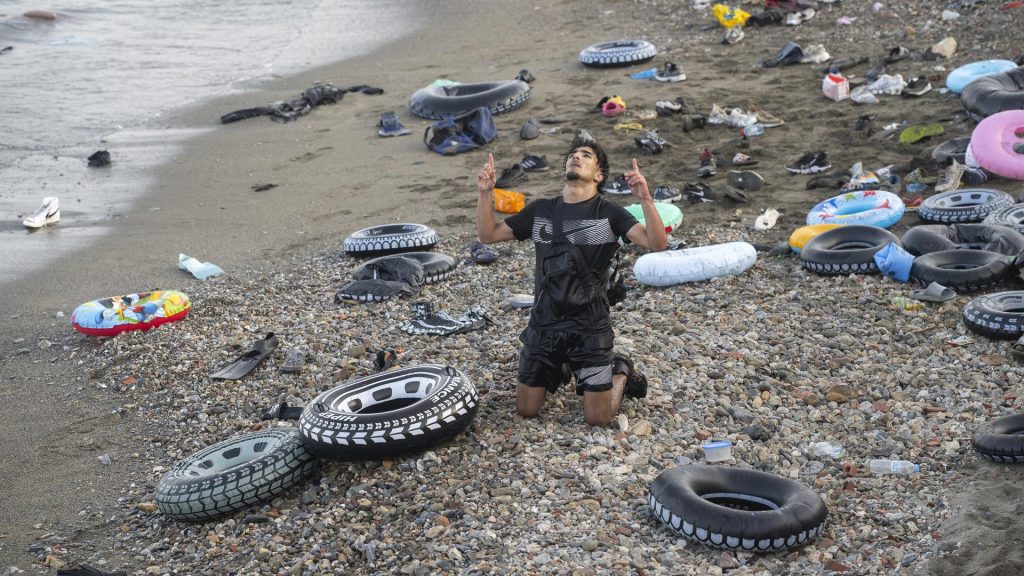
Ceuta, a Spanish enclave on Morocco’s coast, was overwhelmed Friday after tens of thousands of migrants entered in a single day, prompting Spain and Morocco to reinforce the border.
Spanish officials estimated about 60,000 people crossed into Ceuta in 24 hours. Reuters reported Spain’s Department of National Security briefly posted that estimate online, citing the Interior Ministry, before deleting it without explanation.
The death toll has continued to rise. The Associated Press reported that at least 41 migrants had died attempting the crossing.
A deadly crossing into Spanish territory
Ceuta sits on Morocco’s northern coast across the Strait of Gibraltar from mainland Spain. Ceuta and Melilla are the European Union’s only land borders with Africa.

Migrants often try to reach Ceuta by swimming from nearby Moroccan towns or navigating around the coastal border fence.
Videos and images showed thousands of people swimming, walking along rocky shorelines and gathering near the border. Many were young men, but women, children and babies were also among the crowds. Officials estimated at least 7,000 of those who entered Ceuta were minors.
On the Moroccan side, crowds gathered overnight in Fnideq as authorities used water cannons to push people back from the border. Burned vehicles were seen nearby after clashes.
Spain reinforces the border
Prime Minister Pedro Sánchez visited Ceuta and described the crossings as an “attack” on Spain’s territorial integrity.

Spain deployed armed forces to bolster security in Ceuta and Melilla. Officials said they would seek to return migrants who entered without authorization as quickly as possible while respecting court rulings and migrants’ rights.
Ceuta’s regional leader had asked Madrid to declare an emergency and send the army, saying reception centers were overwhelmed. Spain’s Interior Ministry said government agencies were coordinating a response to the crisis.
Why the timing matters
The cause of the surge remains unclear, but Spanish officials pointed to a recent Supreme Court ruling as one possible factor.
The court ruled this month that migrants intercepted at sea while trying to reach Ceuta or Melilla cannot be immediately returned to Morocco without due process. Territorial Policy Minister Ángel Víctor Torres said the ruling may have encouraged more migrants to attempt the crossing.

Sánchez blamed criminal networks for manipulating the ruling and said false information had “spread like wildfire.” Some activists in Morocco questioned that explanation, saying many migrants were unlikely to know about such legal decisions.
Europe reacts
The fallout quickly reached other European capitals.
France said it would increase checks at the Spanish border. Italy’s prime minister, Giorgia Meloni, said Italy could consider emergency border controls under the Schengen system involving travel from Spain. Italy later clarified it was referring to border controls involving travel from Spain, not removing Spain from Schengen entirely.
Spanish Foreign Minister José Manuel Albares criticized Italy’s remarks, saying Spain expected European solidarity rather than “partisan demagoguery.” He also summoned the Italian ambassador.
European Commission President Ursula von der Leyen called the images from Ceuta “unacceptable” and said they must “stop immediately.”
Round out your reading
- What does low water at the Hoover Dam mean for power in the American West?
- Could GLP-1 drugs become the first longevity medications? Scientists think it’s possible.
- ChatGPT told him he wouldn’t face charges. Then came the arrest warrant.
- How one small city built a second act as a bio hub inside empty cigarette factories.
- If permanent Daylight Saving Time is so popular, why is it dead in the Senate?
Ella Rae Greene, Editor In Chief