How Roombas got swept up in a ban on importing robots
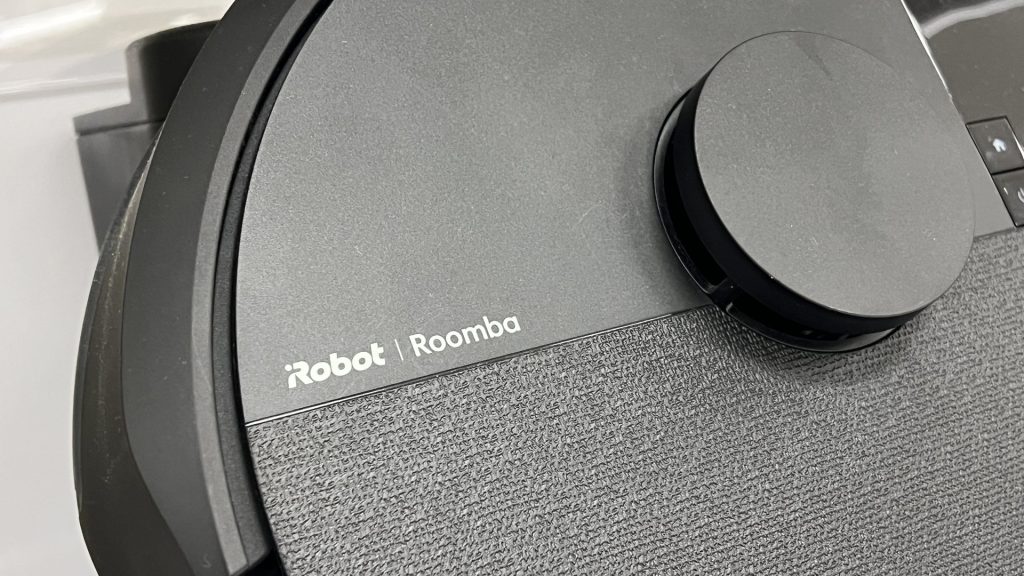
The Roomba cleaning your floors while you sit on your sofa is more than an autonomous vacuum cleaner, according to the U.S. government. It’s an “advanced robotic device” from China, the government says — and may no longer be imported into the United States.
The restrictions, announced Tuesday by the Federal Communications Commission, target the importation of new humanoid and quadruped robots, as well as connected power inverters. They are, the agency said, part of an effort to protect the U.S. from supply chain threats.
“These devices could create supply chain vulnerabilities that could disrupt U.S. economic and national security and could create a cybersecurity risk that threatened American critical infrastructure,” the FCC said in a statement.
While much attention has been placed on Chinese-produced humanoid robots, The Verge reported Wednesday that robot vacuums are also affected.
Existing Roombas may still be legally owned in the U.S., and other approved robot vaccums may still be imported. But FCC media relations director Katie Gorscak confirmed that future models will no longer be allowed entry into the U.S.
This ban extends to robotic lawnmowers and sidewalk delivery robots made in China.
Poor security highlighted
In announcing the ban, the FCC pointed to an incident in which a security researcher was able to take control of 7,000 internet-connected DJI robovacs due to the devices’ poor security.
But, according to The Verge, U.S. companies might be impacted as well. The California-based robot vacuum company Matic, for example, does not source the majority of its components from the U.S. and therefore could need a waiver.
In order to apply for a waiver, a company must either prove that 65% of its components are made in the U.S. or affirm its intentions to invest in U.S. manufacturing. Yet the waiver does not include requirements for security, meaning companies with vulnerable devices capable of spying would still be able to sell to U.S. consumers.
Robot vacuums, the vast majority of which are produced in China, have long posed significant security concerns. In 2024, hackers took control of robot vacuums across the U.S. and used their onboard speakers to shout obscenities and racial slurs.
Round out your reading
- What does low water at the Hoover Dam mean for power in the American West?
- Could GLP-1 drugs become the first longevity medications? Scientists think it’s possible.
- ChatGPT told him he wouldn’t face charges. Then came the arrest warrant.
- How one small city built a second act as a bio hub inside empty cigarette factories.
- If permanent Daylight Saving Time is so popular, why is it dead in the Senate?
Ella Rae Greene, Editor In Chief