Autism research is entering a new era. Here’s what scientists are learning
Autism has become one of the most intensely debated topics in health, with competing claims about its causes and how it should be treated. But behind those public debates, researchers say autism science has entered one of its most promising periods.
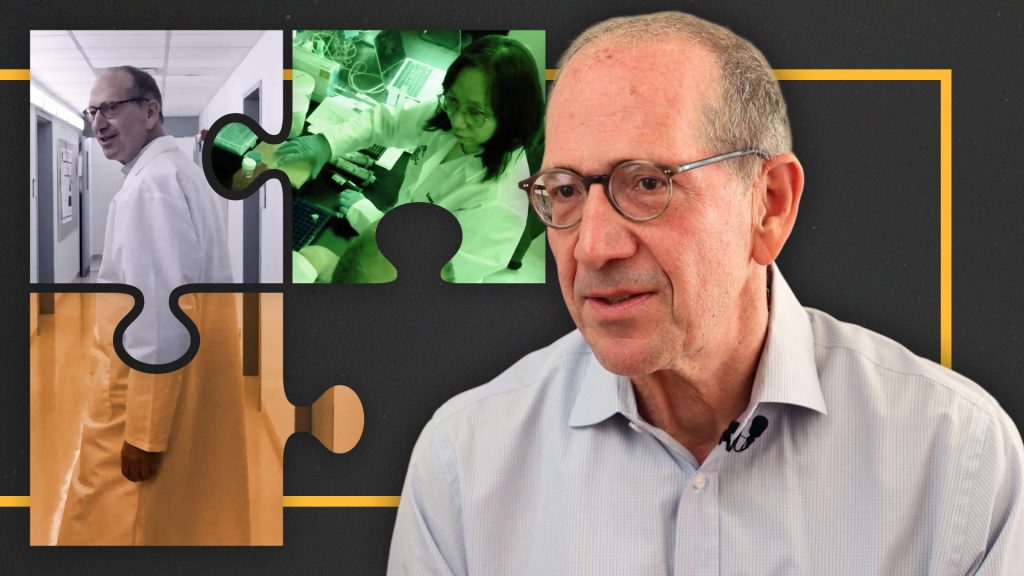
Few people have witnessed that transformation more closely than Joseph Buxbaum, a psychiatrist, neuroscientist and geneticist at the Icahn School of Medicine at Mount Sinai in New York. As director of the Seaver Autism Center for Research and Treatment, Buxbaum has spent decades studying autism’s biological causes and searching for new treatments.
“There couldn’t be a better time for autism research,” he told Straight Arrow.
When Buxbaum began his career, researchers were only beginning to understand autism’s genetic basis. Today, decades of research have transformed scientists’ understanding of the condition, revealing that autism is highly heritable, extraordinarily complex and influenced by hundreds of genes interacting with a range of biological and environmental factors. At the same time, many of the biggest questions remain unanswered, from why autism develops in some people to how discoveries in the laboratory can translate into meaningful treatments.
This video is the first installment in Straight Arrow’s five-part series examining one of the most contested areas in modern medicine. Over the coming week, Straight Arrow will explore what scientists know about the causes of autism, why diagnoses have risen so dramatically, how the neurodiversity movement has reshaped public understanding of the condition and the ongoing debate over whether today’s autism spectrum is serving everyone it was intended to.
Stay tuned.
Round out your reading
- What does low water at the Hoover Dam mean for power in the American West?
- Could GLP-1 drugs become the first longevity medications? Scientists think it’s possible.
- ChatGPT told him he wouldn’t face charges. Then came the arrest warrant.
- How one small city built a second act as a bio hub inside empty cigarette factories.
- If permanent Daylight Saving Time is so popular, why is it dead in the Senate?
Ella Rae Greene, Editor In Chief