Social media is becoming a powerful tool against animal cruelty
A majority of humans can likely agree that social media has its pros and cons — it allows families and friends to connect even when they’re apart, but it can also be addicting and sometimes dangerous.
This year, there’s another way social media has been beneficial, and it has to do with protecting animals from cruelty and harassment.
In the last few months alone, there have been at least three instances where social media has led to or helped out investigations into animal cruelty. The most recent case occurred over the weekend.
Man records himself kicking a sea lion
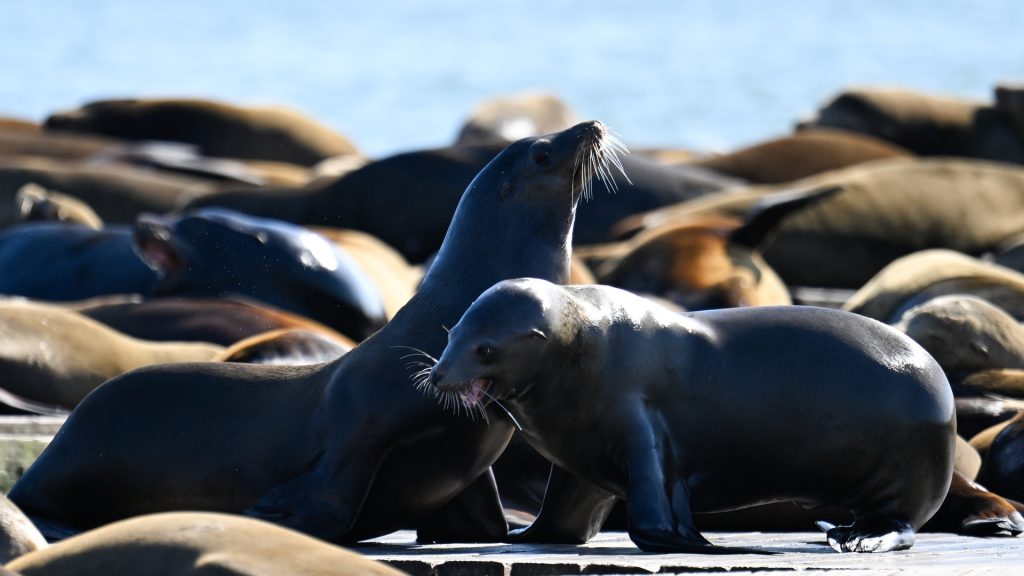
Video of a man kicking a sea lion at La Jolla Cove in San Diego began circulating widely online over the weekend, leading to condemnation and calls for punishment from the public.
PETA shared the clip on X, calling the man’s actions “assault” and criticizing him for laughing while harming an animal.
“Assault is ASSAULT, no matter the species,” PETA wrote. “This abuser laughed while harassing and kicking a sea lion who was desperately trying to escape.”
Assault is ASSAULT, no matter the species
This abuser laughed while harassing and kicking a sea lion who was desperately trying to escape. Thanks to everyone who reported it; the case is now under investigation. Leave animals ALONE, and always speak up when you witness abuse. pic.twitter.com/7wM0OyDxJB
— PETA (@peta) July 24, 2026
They weren’t the only ones to share it. The video could be found all over X and other social media platforms, with many people criticizing the man and calling for punishment. That circulation, and those calls for punishment, are now being answered.
Federal officials with the National Oceanic and Atmospheric Administration (NOAA) are now investigating the video and the man involved, who has not been publicly identified.
NOAA said it received reports and is looking into it, but noted, “This is an ongoing investigation, and we cannot provide further details at this time.”
In their X post, PETA thanked those who reported the video, saying “Thanks to everyone who reported it; the case is now under investigation. Leave animals ALONE, and always speak up when you witness abuse.”
Social media leads to charges in Hawaii
Earlier this year, a man was charged after video circulated online of him throwing a rock at an endangered Hawaiian monk seal in Maui, barely missing its head.
The man claims he was trying to protect a group of sea turtles when he threw the rock. However, a criminal complaint states when he was confronted by a Department of Natural Resources officer, he told the officer, “he did not care and was ‘rich’ enough to pay the fines.”
He’s been charged with harassing and attempting to harass a protected animal. If convicted, he faces up to a year in prison for each charge and potential fines amounting to $20,000.

Man who ‘wrestles’ sharks for social media is arrested
A third incident occurred in Washington state, where a fisherman has been arrested for filming himself “wrestling sharks.”
The man is facing nine counts of unlawful fishing and one gross misdemeanor after authorities say he dragged protected sharks out of the water so he could pose with them for social media content.
The arrest comes after a months-long investigation sparked by complaints and reports of the man’s content online.
“Many people were notifying us, like, ‘Hey, this person is doing this,’” Lt. Kit Rosenberger with Washington State Fish and Wildlife Police told The Independent.
Investigators found videos and photos on the man’s social media showing illegal catches of sixgill and sevengill sharks.
Legal animal protections
There are numerous federal and state protections for America’s wildlife, including the Marine Mammal Protection Act (MMPA), which protects seals and sea lions, among other mammals.
As Straight Arrow previously reported, Congress originally passed the MMPA in the 1970s, but lawmakers amended it in 1994 to establish a statutory definition of “harassment.”
With the amendment, the MMPA now prohibits “any act of pursuit, torment, or annoyance, which has the potential to: injure a marine mammal or marine mammal stock in the wild, or isturb a marine mammal or marine mammal stock in the wild by causing disruption of behavioral patterns, including, but not limited to, migration, breathing, nursing, breeding, feeding, or sheltering.”
It prohibits individuals from hunting, harassing, capturing, killing or attempting to do any of the previous to endangered mammals.
And when it comes to the Washington state incident, there are more specific bans in place that make it illegal to target, catch and keep sixgill and sevengill sharks.
Round out your reading
- What does low water at the Hoover Dam mean for power in the American West?
- Could GLP-1 drugs become the first longevity medications? Scientists think it’s possible.
- ChatGPT told him he wouldn’t face charges. Then came the arrest warrant.
- How one small city built a second act as a bio hub inside empty cigarette factories.
- If permanent Daylight Saving Time is so popular, why is it dead in the Senate?
Ella Rae Greene, Editor In Chief