Explosive diarrhea, glucose monitor hype and why your insurance premiums might rise. Again
Premium content: This is from our subscriber-exclusive Health(y) Discourse newsletter, where our health scientist provides the antidote to wellness hype.
Welcome to Health(y) Discourse. In this new weekly column, I’ll sift through the week’s health headlines, scientific studies and policy announcements to separate meaningful developments from noise.
As a health reporter and a former epidemiologist, I spend a lot of time reading studies, interviewing researchers and trying to answer a simple question: How much should Straight Arrow readers actually care about this?
Not every study changes medicine. Not every breakthrough reaches patients. And not every scary headline deserves your attention.
Let’s get into it.
Register now to receive a discount code for when our subscription launches to continue to receive content like this plus more!
Peer Review
Rehashing the week’s health headlines
Cyclospora outbreak spreads to 31 states
How it was covered: A foodborne parasite called Cyclospora has become one of this summer’s biggest public health stories. As of July 9, the CDC confirmed cases in 31 states.
Meanwhile, Michigan’s outbreak has grown much larger. On Monday, state officials reported 2,640 confirmed and probable cases.
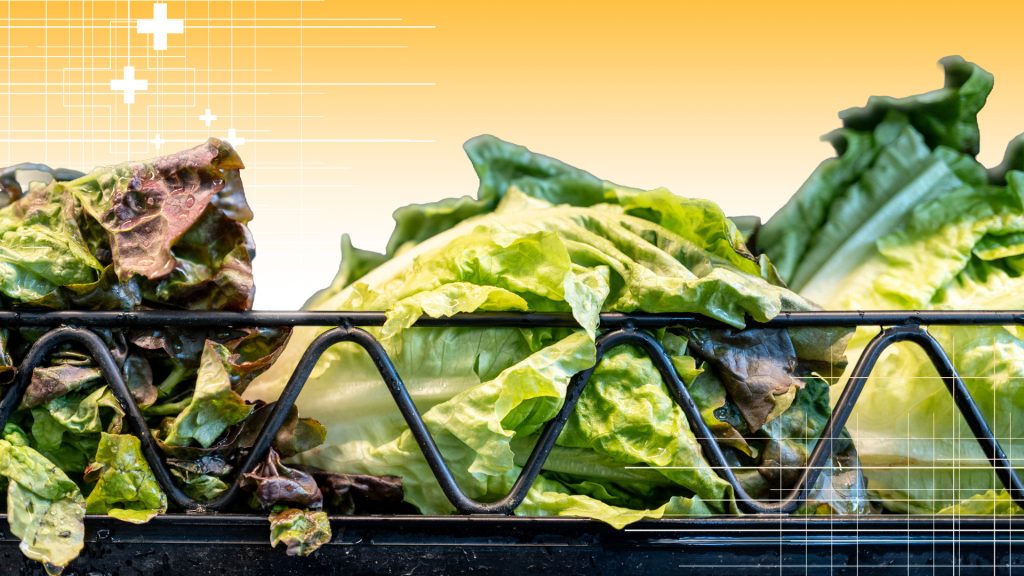
Health officials there also announced that lettuce and other salad greens are the leading suspected source of the outbreak based on preliminary findings, though they emphasized that the investigation is ongoing and no specific product, grower or distributor has been identified.
In past outbreaks, investigators have linked illnesses to a variety of fresh produce, including leafy greens, herbs and raspberries, but identifying the exact source can take weeks — if it happens at all. The Washington Post also reported that federal and state investigators are examining whether exposures at some Taco Bell restaurants may be connected to the outbreak.
In the frenzy, worried shoppers have been trying to give away bagged salads on social media.
Bottom line: Should you stop eating salad? Probably not. Public health officials have not advised consumers to avoid leafy greens, and there is no recall for a specific lettuce product or brand. The CDC recommends consumers wash fruits and vegetables under running water before eating them, and follow any future recall notices if investigators identify a specific source.
Should a healthy 2-year-old wear a continuous glucose monitor?
How it was covered: Continuous glucose monitors have transformed diabetes care, allowing people to track their blood sugar in real time without repeated finger pricks. More recently, they’ve also become one of the hottest trends in the wellness industry, with healthy adults using the devices to monitor how everything from a morning bagel to a workout affects their glucose levels — even though evidence that the practice improves health remains limited.
Last month, the FDA cleared the first over-the-counter glucose monitor for children as young as 2. A reporter at STAT recently examined a new question the approval has raised: Should healthy children wear them, too?
Some experts said the devices could identify children at high risk of developing diabetes earlier or improve access for families who struggle to obtain prescription monitors. Others worry the technology is outpacing the evidence. They say there’s little data on what “normal” glucose patterns look like in kids without diabetes and caution that constant monitoring could fuel unnecessary anxiety, restrictive eating or an unhealthy obsession with numbers.
Bottom line: There’s currently no evidence that monitoring glucose improves health outcomes.
Health insurance premiums may jump again next year
How it was covered: Health insurance could become more expensive for millions of Americans in 2027. This week, insurers that sell plans through the Affordable Care Act (ACA) marketplaces proposed premium increases averaging about 15% in many states. They cited rising healthcare costs, higher prescription drug spending and uncertainty over the future of enhanced federal premium tax credits.
Now the requests are just that — requests. State regulators will review and negotiate many of the proposed increases before final rates are approved later this year. Even so, health policy experts say this year’s filings suggest consumers should prepare for another round of higher premiums.
How much you should worry depends on how you get your insurance. If you receive health insurance through your employer, these filings are unlikely to affect your premiums directly. If you buy coverage through the ACA marketplace, the impact will depend on where you live and which plan you choose.
Bottom line: Don’t panic, but don’t auto-renew your plan either. When open enrollment begins, compare your options carefully. Even if premiums rise, a different plan or updated subsidies could make another policy a better value.
Have your say
What else I’m Covering


Get in Touch
That’s all for this week. If you have questions about a health-related story or study you saw in the wild, send me an email at jcraig@san.com or share them below.
— Jess
Ella Rae Greene, Editor In Chief