
Trump says ceasefire has collapsed after Iran retaliates with strikes in Bahrain, Kuwait
President Donald Trump says the ceasefire between the U.S. and Iran is “over” after the two countries traded new strikes overnight.
In new comments, the president said he is still open to negotiations, but he believes the ceasefire is finished.
“To me, I think it’s over. I don’t want to deal with them anymore. They’re scum. You know what scum is? They’re scum. They’re sick people. They’re led by sick people, and they’re vicious, violent people,” Trump said. “And if they had a nuclear weapon, they’d use it. As far as I’m concerned, it’s over. I’ll speak to our negotiators. They want to negotiate. They’re good people. Steve Witkoff, Jared Kushner. But they have to come back to me. As far as I’m concerned, it’s just a waste of time dealing with them. They’re liars.”
US and Iran trade strikes
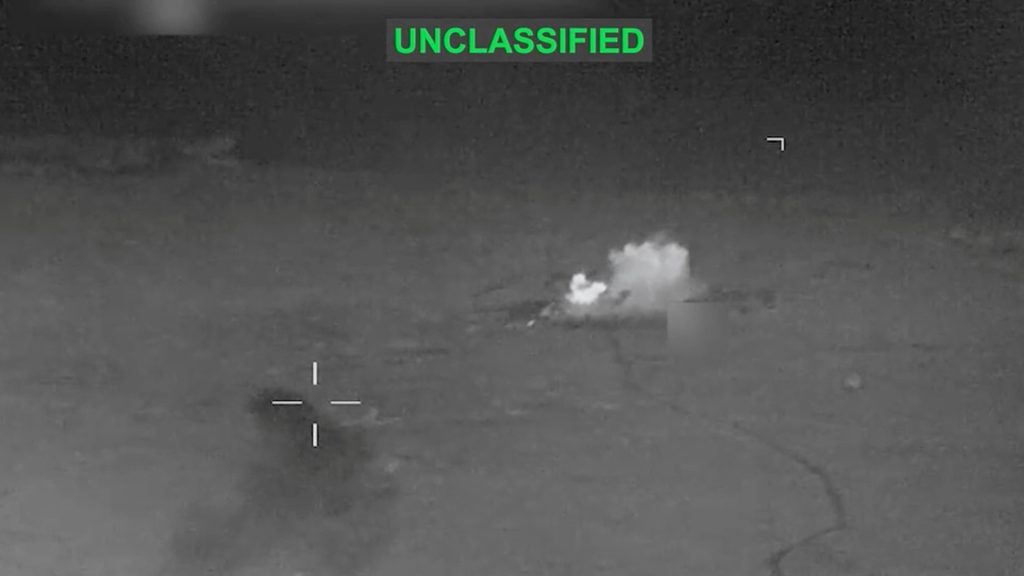
Tuesday afternoon, U.S. Central Command announced it had launched attacks on Iran after the country targeted ships in the Strait of Hormuz.
CENTCOM described the attacks as “powerful” and said they were to “impose heavy costs” on Iran for targeting the ships. It later confirmed more than 80 targets were hit.

In response, Iran’s military says it targeted 85 U.S. military sites in Kuwait and Bahrain overnight. According to The Associated Press, Kuwait intercepted two ballistic missiles and 13 drones.
A senior diplomat in the United Arab Emirates called Iran’s attacks “a clear indicator that Tehran remains incapable of committing to the requirements of de-escalation and turning the page on war.”
In addition to strikes, the U.S. also reimposed sanctions on Iranian oil, helping push global oil prices up nearly 6%.
Iran accused the United States of breaking the ceasefire first, while NATO Secretary General Mark Rutte backed the U.S. response, calling the strikes “absolutely necessary.”
The Strait at the heart of the ceasefire
The debate over who broke the ceasefire first stems from the ceasefire’s specifics.
As part of their interim deal, the U.S. and Iran agreed to allow ships to pass through the Strait of Hormuz for 60 days, while negotiations continued. Tehran, however, has insisted on controlling the ships’ route and later vowed to charge them for passage.
If Tehran began charging, it would uproot decades of practice in the waterway.
The ships at the center of the most recent attacks were using a route near the Omani shoreline, rather than a route ordered by Tehran.
Round out your reading
- Scientists are now eyeing a possible ‘Mega El Niño’.
- Critics mocked Mamdani’s AC request. Republicans made the same ask.
- Social Security was supposed to be a safety net. To young Americans, it’s a broken promise.
- What happens when the water dries up? Much of the American West is close to finding out.
- Political insiders are targeting the two-party system’s grip on America.
Ella Rae Greene, Editor In Chief