Turning Conference Insights Into Sustainable Business Growth
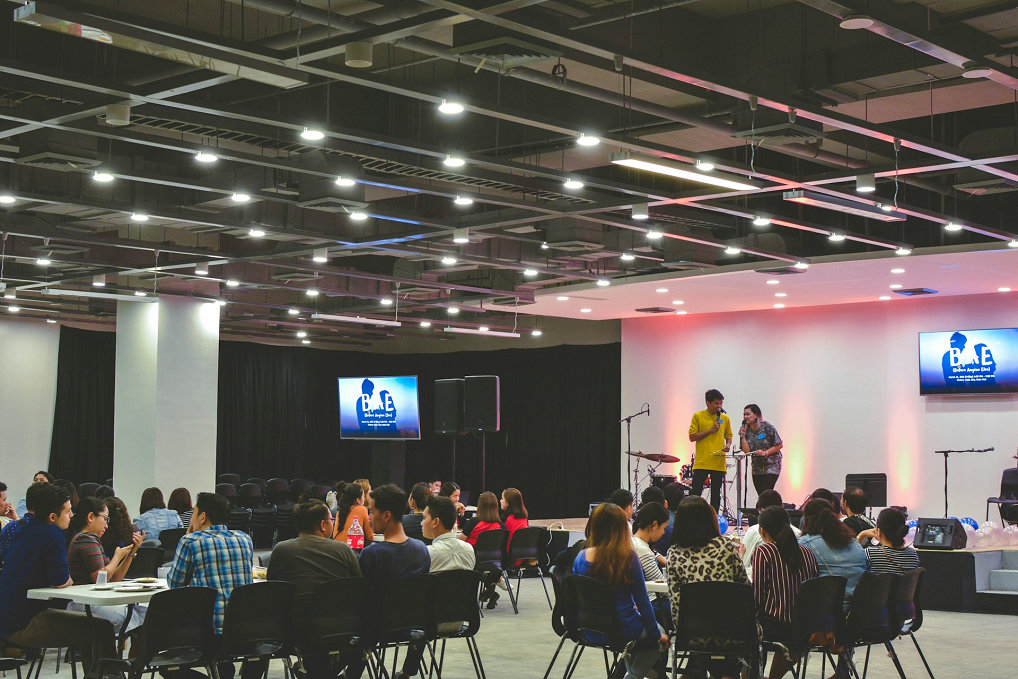
Every year, corporate leaders spend thousands of dollars attending industry events. They listen to speeches, take notes, and return to the office full of excitement. That energy usually disappears within a week as daily routines take over. Translating brief moments of inspiration into lasting progress demands a deliberate strategy to capture and implement new ideas.
The Disconnect Between Inspiration And Execution
Many organizations struggle to turn conference notes into real growth. Leaders fly across the country to find new ideas, but execution is still rare. Over 80% of corporate executives attend industry events to discover fresh strategies. Even with that high attendance, fewer than 20% of those leaders successfully implement the strategies across their entire company.
The gap reveals a flaw in how businesses handle external knowledge. Inspiration alone cannot change a business model. Teams need a system to filter incoming concepts and choose which ones fit current operations. Without a clear structure, valuable insights get lost in email threads.
Selecting The Right Voices For Lasting Impact
The success of major corporate events hinges on the quality of the presentation. Uninspiring presentations leave audiences bored, but great ones spark entirely new ways of thinking. Companies should look for presenters like JLA event speaker agency who combine deep industry expertise with strong storytelling skills. Audiences remember stories far longer than they remember raw data points.
Corporate planners should seek out speakers who understand specific market challenges. Presenters must offer practical frameworks instead of vague motivational speeches. When a speech connects directly with corporate goals, employees feel a stronger drive to execute those ideas. Alignment between the stage and the boardroom creates a clear path toward growth.
Structuring The Post-Event Debrief
Team members return from industry gatherings with notebooks filled with ideas. Collaborating with a professional helps organizations select leaders who provide actionable follow-up plans. Gathering the team immediately upon return keeps those insights from fading away.
Action must happen quickly before routine work dominates the schedule. Maximizing the return on investment from corporate events requires a structured debrief session within 48 hours of attendance. Waiting longer makes details fuzzy and reduces corporate momentum. During these meetings, participants should isolate three primary takeaways to share with the wider group.
Shifting Corporate Mindsets With External Experts
Internal teams get stuck in routine thinking patterns. Companies booking external experts report a 35% increase in team motivation and alignment regarding long-term strategic changes. Fresh perspectives break through internal resistance.
External experts challenge old habits and introduce modern methodologies. Hearing advice from an outside authority carries more weight with staff than hearing the same message from internal managers. Staff members feel unified around a shared vision after hearing a compelling presentation.
Building Internal Systems For Knowledge Sharing
To make conference insights useful, companies must build clear channels for communication. Information should never stay trapped within a single department. Businesses can establish a regular process to distribute knowledge across different teams. A single presentation can benefit the entire company if the material remains accessible.
Organizing a centralized digital library keeps learning materials organized. Teams can use specific steps to spread information effectively:
- Share slide decks and video links in a shared company folder
- Schedule short lunch sessions to present key takeaways to colleagues
- Write summaries for the internal company newsletter
- Design small experiments to test new strategies in low-risk projects
Regular reviews of the materials keep the insights fresh.
Integrating New Strategies Into Quarterly Planning
To achieve long-term growth, leaders must weave event insights directly into corporate goal-setting frameworks. When a company schedules its next planning session, ideas from recent events should have a dedicated spot on the agenda. A formal process protects good concepts from being buried under daily operational demands.
Set clear milestones to track the adoption of new methods across different departments. Executive teams can assign specific project owners to oversee each new initiative. Staff members stay accountable when goals are tied directly to regular performance metrics. Transforming abstract concepts into structured corporate projects turns event attendance into a measurable advantage.
Overcoming Common Hurdles To Implementation
Adopting fresh concepts creates friction within established corporate teams. Employees prefer familiar routines, so new strategies can face subtle resistance from staff. Management must address these concerns openly to maintain momentum. Clear communication about the benefits of change reduces anxiety across the workforce.
Teams cannot implement complex strategies without proper tools, training, or time. Leaders should allocate specific financial budgets or extra hours for experimentation. Supporting employees during the difficult transition phase protects the investment made in corporate learning.
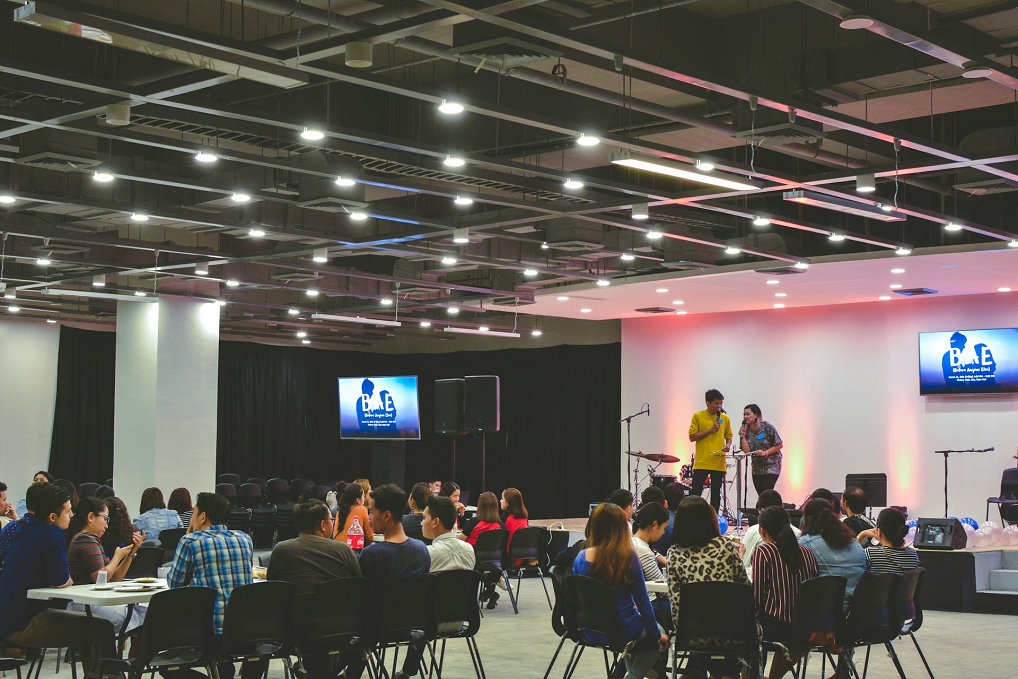
True corporate growth in the corporation happens when organizations build reliable systems to capture and execute fresh ideas. By structuring post-event debriefs, using external expertise, and integrating new concepts into corporate planning, businesses can achieve lasting progress. Industry conferences offer the initial spark, but consistent internal execution drives sustainable development.
The post Turning Conference Insights Into Sustainable Business Growth appeared first on BNO News.
Ella Rae Greene, Editor In Chief