Political parties may spend all they want after Supreme Court ruling
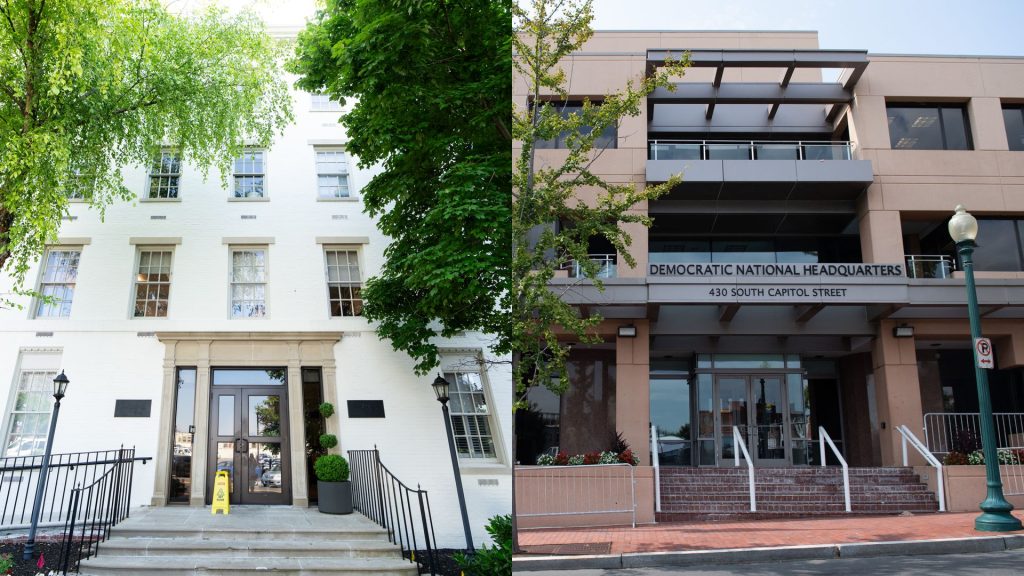
The Supreme Court struck down limits on campaign spending by political parties on Tuesday, in a much-anticipated decision ahead of the midterm elections.
The decision opens the doors for both the Republican and Democratic parties to pour unprecedented sums into their candidates’ coffers this year. However, the move is widely considered to favor the Republicans, who have historically operated the better fund-raising machine.
President Donald Trump described the ruling as a victory for Republicans.
“The Supreme Court just took restrictions off political spending!” Trump wrote on Truth Social. “A BIG WIN FOR REPUBLICANS and, more importantly, The First Amendment!”
Writing for a 6-3 majority, split along ideological lines, Justice Brett Kavanaugh said the ruling treats the parties equally.
“Whether the Democratic Party, the Republican Party or other parties, all political parties and candidates going forward can compete equally under the same rules regarding coordinated expenditures and can structure their fund-raising, spending and political speech on a level playing field as they see fit within the law,” Kavanaugh wrote.
The ruling overturned a 2001 Supreme Court opinion that held limits on party spending in coordination with candidates were constitutional.
In a dissent, Justice Elena Kagan wrote that the ruling gives political parties the ability to pour unlimited amounts of money into campaigns, which she said would contribute to corruption that would undermine American democracy.
“For over half a century, a federal statute has guarded against actual and apparent quid pro quo corruption in our political system by limiting the amount of money a donor can contribute to a candidate,” Kagan wrote. “The law’s theory is simple: A candidate may be induced to trade official acts for campaign contributions — and the bigger the contribution, the stronger both the candidate’s temptation and the public’s suspicion.” Kagan wrote.
The same statute, she said, “prevents circumvention of the contribution limits by capping political parties’ ‘coordinated expenditures’ with candidates.”
The case stems from a lawsuit from 2022 in which the National Republican Senatorial Committee challenged the spending cap.
The new ruling followed the reasoning of the 2010 Citizens United decision, which removed contribution and spending limits on super PACs (political action committees) that back particular candidates or issues. In that case, Daniel Weiner wrote for the Brennan Center, the justices “held that independent spending could not pose a substantial risk of corruption on the erroneous assumption that the money wouldn’t be under the control of any single candidate or party.”
Round out your reading
- America at 250: Straight Arrow’s week-long look at the pressures testing modern America.
- Ketamine is booming in America. The reasons go beyond drugs.
- Cluster of AI news sites suddenly goes dark after human reporter starts asking questions.
- A 79-year-old, obese, well-connected man gained exclusive access to a new weight loss drug. Is it Trump?
- Newsom pushes national wealth tax after opposing California billionaire tax.
Ella Rae Greene, Editor In Chief