Ukraine refinery strikes create ‘obvious’ problems, Putin says
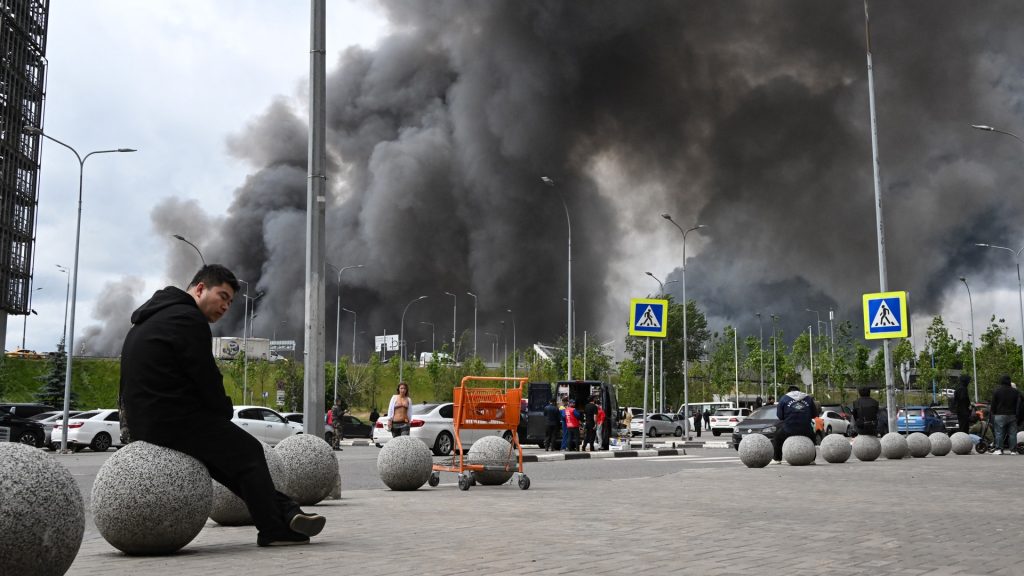
Ukraine’s refinery attacks are turning Russia’s energy network into a growing liability.
The strikes have not delivered a decisive battlefield breakthrough. But they appear to be creating a different kind of pressure for Moscow: fuel shortages, export limits, strained air defenses and visible signs of war inside Russia.
Foreign Policy cited a Reuters estimate that Ukrainian drone strikes have reduced Russia’s refining capacity by 700,000 barrels per day. Straight Arrow previously reported that more than two dozen Ukrainian strikes on Russian oil refineries since March have knocked out about 20% of Russia’s refining capacity.
Why it matters
Ukraine is using long-range drones to hit Russia’s war effort far beyond the front line.
For years, Russia has targeted Ukrainian cities and energy systems. Foreign Policy reported that Ukraine is now using domestically produced drones to hit Russian energy targets, including refineries, fuel depots, pipelines and export infrastructure.
The pressure is showing up in Russia’s fuel system. Foreign Policy wrote that Russia is seeing more fuel shortages and rationing. In Russian-occupied Crimea, authorities have suspended public fuel sales, and more than half of Russia’s regions have started rationing fuel. The outlet also reported that diesel output fell by 10% in May and that Russia temporarily banned gasoline exports.
The pressure is also being acknowledged at the top of Russia’s government. The Guardian reported that Putin told Russian state television the attacks on energy infrastructure are creating “obvious” problems for Russia.
“Right now we’re observing a certain shortage, but it’s not critical,” Putin said.
Putin said Moscow would try to ease the shortages by increasing fuel imports, strengthening refinery defenses and repairing damaged infrastructure.
The campaign also forces Russia to defend a much larger map. Michael Kofman, a military analyst at the Carnegie Endowment for International Peace, told The Wall Street Journal that Russian air defenses must protect both a 1,200-kilometer front line and critical infrastructure spread across the country.
How Ukraine is applying pressure
Ukraine’s drone campaign is growing in range, scale and frequency.
Russia’s Defense Ministry said its air defenses intercepted 660 Ukrainian drones across 12 Russian regions, Russian-held Crimea, the Black Sea and the Azov Sea in what appeared to be one of Kyiv’s largest attacks since Russia’s full-scale invasion. Russian officials released few details about possible damage.
Foreign Policy reported that Ukraine’s FP-1, FP-2 and Hornet drones are giving Kyiv new ways to pressure Russia’s economy, military planning and domestic sense of security. The outlet said Ukraine struck an oil terminal in St. Petersburg during the city’s international economic forum and later hit the Antipinsky oil refinery in Tyumen, more than 1,000 miles from the front line.
The campaign reached Moscow on June 18, when Ukrainian drones struck the Moscow Oil Refinery. Smoke rose over the capital, officials halted flights at four Moscow airports and closed part of a major highway.
Foreign Policy reported that the mid-June Moscow strike may keep the Russian capital’s largest oil refinery offline until 2027.
How Russia is reacting
Foreign Policy wrote that Ukraine’s drone campaign is affecting Russia on several fronts, from fuel supplies to military planning to public confidence. Russian military bloggers have responded angrily, saying the attacks show Russia is more vulnerable than the Kremlin had suggested.
Russia granted financial institutions paramilitary powers in May, Foreign Policy reported, including the ability to operate jamming devices and air defense weapons on rooftops. The outlet said the rules also allowed banking staff to carry guns to shoot down drones.
What’s next
Ukraine appears likely to keep using drones to raise the cost of the war for Russia.
Zelenskyy said he ordered a “40-day influence operation” aimed at “compelling” Russia to end the war. Straight Arrow reported that the AP said the phrase appeared to refer to an escalation of attacks after U.S. peace efforts failed to produce a breakthrough.
However, Foreign Policy cautioned against overstating Ukraine’s position. The outlet wrote that Ukraine still faces long odds in retaking large areas of territory or forcing a decisive Russian defeat.
But the refinery campaign is making the war harder for Moscow to contain. It is hitting fuel supplies, stretching Russian air defenses and bringing the consequences of the war closer to Russian daily life.
Round out your reading
- America at 250: Straight Arrow’s week-long look at the pressures testing modern America.
- Ketamine is booming in America. The reasons go beyond drugs.
- Cluster of AI news sites suddenly goes dark after human reporter starts asking questions.
- A 79-year-old, obese, well-connected man gained exclusive access to a new weight loss drug. Is it Trump?
- Newsom pushes national wealth tax after opposing California billionaire tax.
Ella Rae Greene, Editor In Chief