New sterile fly facility opens as screwworm cases prompt heightened response
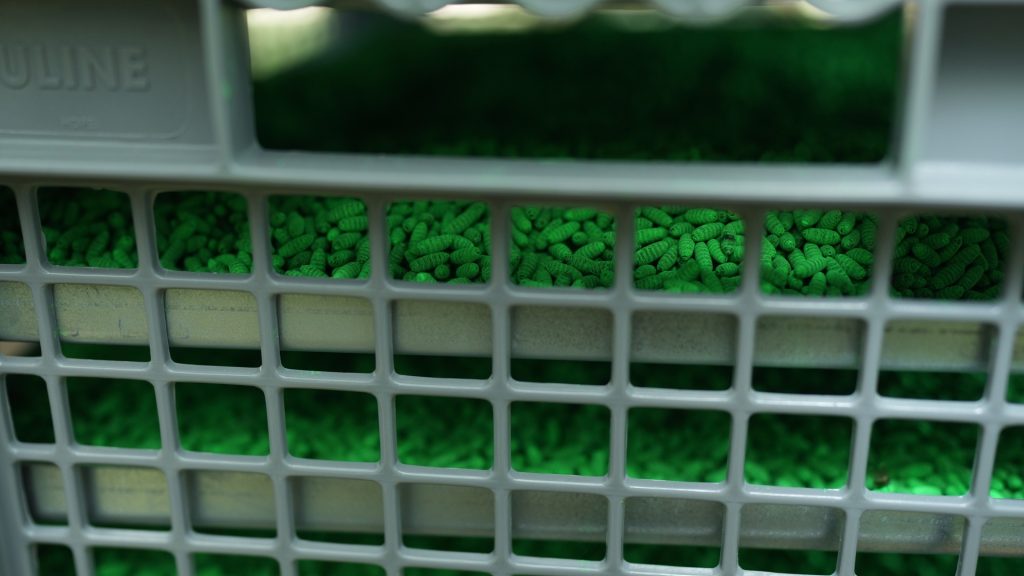
A newly opened sterile fly production facility opened in southern Mexico on Sunday. The facility is expected to significantly expand efforts to combat the spread of New World screwworm.
“The more sterile flies we produce and deploy, the faster we can suppress and ultimately eradicate this devastating pest,” the United States Department of Agriculture’s screwworm response said in a social media post.
The effort relies on the sterile insect technique, which involves releasing sterilized male flies to prevent reproduction. While the method does not kill existing larvae, it interrupts the life cycle of future generations and requires sustained releases over time to reduce outbreaks.
U.S. agriculture officials are deploying that approach as new infections continue to appear. The USDA confirmed a recent case in a goat in Terrell County, Texas, marking a spread of about 180 miles west of the initial detection in the state and 74 miles beyond the nearest previously confirmed case.
New World screwworm is a parasitic fly whose larvae infest open wounds in warm-blooded animals, feeding on living tissue. The pest does not affect intact skin but can cause severe harm if untreated.
As of late June, the United States has recorded 16 confirmed cases, while Mexico has reported more than 29,000 cases since November 2024, including about 1,800 that remain active.
Recent detections in Texas include a lamb in Crockett County and calves in Edwards County, pushing domestic totals into the mid-teens at that point, according to federal updates. Federal and state agencies say they are responding with expanded surveillance, containment measures and weekly releases of tens of millions of sterile flies.
Animal shelters and rescue organizations across Texas are also adjusting operations to limit risks. Staff are increasing inspections for wounds and signs of infestation and stepping up the use of parasite-prevention medications that may kill larvae.
“We are being sure that everyone is more attuned to looking at every animal very carefully,” Dr. Valarie Tynes, chief veterinarian for the SPCA of Texas recently told Straight Arrow.
Containment measures are affecting the movement of animals as well. Twenty-one Texas counties are under quarantine restrictions that prohibit transporting warm-blooded animals out of affected areas without authorization, limiting transfers between shelters and rescues.
Those limits, combined with import bans from states including Pennsylvania and New York, are placing additional strain on already crowded shelters. Advocates warn that reduced transfer capacity could quickly overwhelm facilities and, in extreme cases, lead to euthanasia if resources run short.
Wildlife groups have also raised concerns that injured animals in quarantined areas may go untreated if they cannot be transported for care.
Despite the challenges, experts stress that prevention and early detection remain effective. Veterinarians are encouraging pet owners to use monthly parasite treatments and report any suspected cases promptly.
Round out your reading
- Not red or blue: America’s politically homeless middle.
- Peter Thiel’s ‘Dialog’ network was super-secret. A data leak changed that.
- The novel legal strategy that Taylor Swift and Matthew McConaughey are using to fight AI.
- Illinois balances budget with new $200 million social media tax that tracks in-state users.
- When Trump serves up ‘Just the News,’ it comes with a side of bias.
Ella Rae Greene, Editor In Chief