The AI boom is straining the grid. Congress wants tech to pay – literally
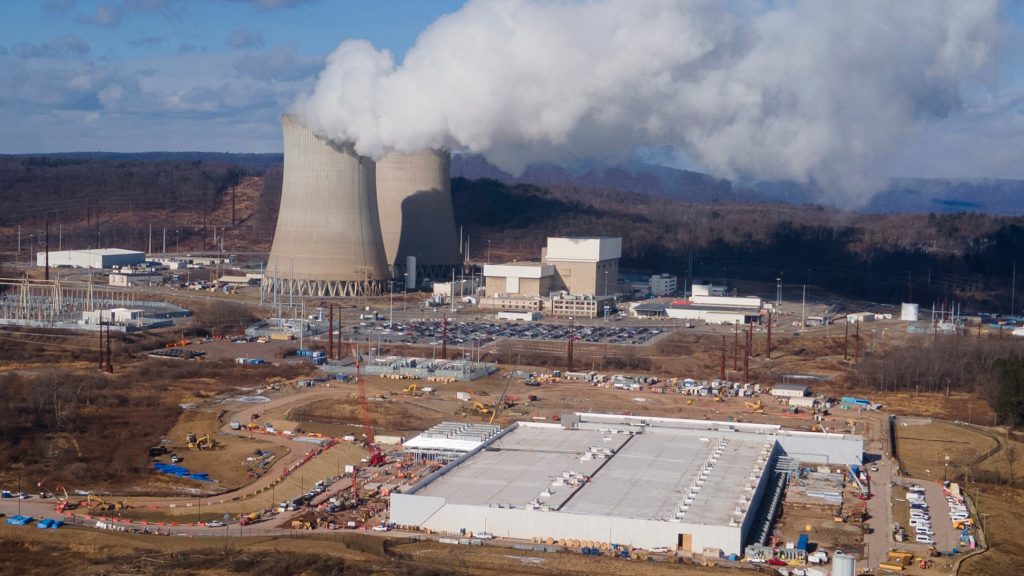
The battle over AI data centers and their impact on local communities is moving to Capitol Hill.
A House Energy and Commerce Committee panel is set to consider a bipartisan bill on Wednesday that would require data center developers to help cover the cost of power-grid upgrades needed to support their growing electricity demands.
The proposal, known as the Ratepayer Protection Act, is sponsored by Republican Rep. Gabe Evans of Colorado and Democratic Rep. Kathy Castor of Florida.
Who pays for AI’s power needs?
The bill would require utilities to seek financial commitments from large electricity users — including many data centers — before making major upgrades needed to serve them.
Supporters say the goal is simple: keep homeowners and small businesses from absorbing the costs of infrastructure built primarily to support the AI boom.
“Families and small businesses across the country shouldn’t be left to foot the bill for this new development, though the benefits of these innovations will be felt by all of society,” House Energy and Commerce Chair Brett Guthrie( R-Ky) said in a statement.
CNBC reported the measure represents one of Congress’ first major efforts to address the enormous power demands created by artificial intelligence.

Companies including Amazon, Google, Meta, Microsoft and xAI are among the nation’s largest builders and operators of AI-focused data centers.
Growing local backlash
Opposition to new data centers has been growing across the country.
As Straight Arrow’s Keaton Peters reported this month, residents have increasingly packed public meetings to challenge proposed projects over concerns about electricity demand, water consumption and quality-of-life impacts.
Programs.com reported that large data centers consume approximately 5 million gallons of water each day for cooling and require significant amounts of electricity to operate.

BloombergNEF projects data-center power demand could reach 106 gigawatts by 2035 — roughly double California’s current electricity demand.
Supporters argue those costs should be borne by the companies driving the demand rather than by utility customers.
The bill must clear the House Energy and Commerce Committee before advancing to the full House and Senate.
Round out your reading
- Not red or blue: America’s politically homeless middle.
- Peter Thiel’s ‘Dialog’ network was super-secret. A data leak changed that.
- The novel legal strategy that Taylor Swift and Matthew McConaughey are using to fight AI.
- Illinois balances budget with new $200 million social media tax that tracks in-state users.
- When Trump serves up ‘Just the News,’ it comes with a side of bias.
Ella Rae Greene, Editor In Chief