Texas screwworm outbreak has local animal shelters, rescues planning next steps
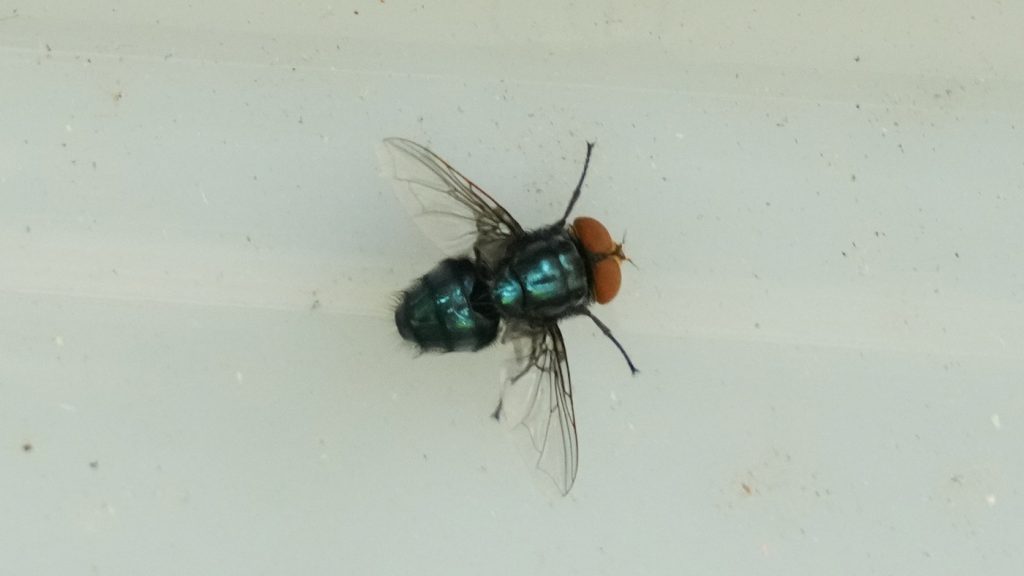
As the state of Texas continues to deal with New World screwworms, local animal shelters and rescues are taking precautions of their own.
Screwworms were first confirmed to be back in the U.S. after a six-decade hiatus when they were found on a calf in Zavala County, Texas, on June 3. Since then, 12 cases have been detected, mostly in cattle, but also in a couple of goats and one dog. All of these cases have been from Texas, except for the dog, which was reported by a Texas veterinarian and later determined to live in New Mexico.
Dr. Valarie Tynes, DVM, the chief veterinarian with the SPCA of Texas, told Straight Arrow the agency is in the process of talking about what it wants to do within the shelter amid the screwworm outbreak.
“A lot of this is sort of in flux, but mainly what we are doing right now is being sure that everyone is more attuned to looking at every animal very carefully and examining her wounds, and of course, any wound that might appear to have maggots in it,” Tynes said.
Parasite control is also key, Tynes said. When it comes to pets, there are flea and tick medications available containing a compound called isoxazoline that are likely to kill screwworms if they do catch on a dog or cat.
“We have begun using those on a more regular basis in the shelter,” Tynes said. “…Our goal is to be sure that every animal is getting a monthly parasite prevention that would kill any maggots that have hatched on that animal.”
Austin Farm Sanctuary co-founder Chris Fuller-Wigg said, according to KVUE, that his staff increased animal inspections, are using natural insecticides, and keeping detailed records of animals requiring wound care. Employees of the sanctuary are being more “mindful” about where animals they rescue come from, and talking to experts about what other steps they need to take if cases get closer to central Texas, Fuller-Wigg said, per KVUE.
Quarantine orders limit animals’ movement
Currently, 13 counties: Coke, Edwards, Gillespie, Kerr, Kimble, La Salle, Schleicher, Sutton, Tom Green, Uvalde, Val Verde, Webb and Zavala, are under a quarantine put in place by the Texas Animal Health Commission (TAHC). This means no warm-blooded animals in these counties can leave these areas without authorization from the TAHC, and agencies in other areas cannot take them in.
Lynn Cuny, founder and president of Wildlife Rescue and Rehabilitation in Kendall County, said none of the animals they’ve seen have been from restricted counties, but they are still doing cursory checks on them when they come in.
“It’s just now looking for one more thing,” she said in a Straight Arrow interview.
The SPCA of Texas, based in Dallas County, isn’t in a quarantined area, either.
Still, “the biggest fear is that we don’t want it [the screwworm problem] to spread, because it can be so damaging to the cattle, to the livestock industry, to wildlife, and ultimately, yes, pets, if people aren’t being very, very attentive,” Tynes said.
What’s going to make the issue more difficult to manage, Tynes said, is if other states stop allowing Texas to transport its animals to them. Texas shelters are already dealing with an overcrowding problem as it is.
“A big part of our life-saving work is accomplished because of working with all these partner organizations who ship animals or fly them or take them in vehicles, basically all over the country to other locations,” Tynes said. “If they stop doing that, and we don’t have that outlet for all of those animals, that means we have to try to place them, and that just takes little longer, and it may quickly affect our capacity and our ability to take animals.”
Pennsylvania and New York in June announced they’re not allowing imports of warm-blooded animals from affected areas until these places have been officially declared free of screwworms. Florida also had a moratorium on importing warm-blooded animals from infested states that went through June 12.
New York and Pennsylvania are two of the City of Athens Animal Shelter’s biggest destinations to send animals, director Kansas Pierce said in an interview with KLTV. Fifty-four dogs and cats in the shelter were supposed to fly out next week. Now, only 28 dogs are now expected to leave, Pierce said. They are set to go to Maryland, which is still allowing in animals from Texas, KLTV reported.
“That flight would have probably wiped out almost our whole adoption floor,” Pierce said. “Which is amazing, but we would have been full again in a day or two.”
The SPCA of Texas doesn’t euthanize animals it can’t take care of. But if it runs out of capacity, the animals could go to other organizations or animal controls that might.
“It’s just a sad reality that their space is not infinite,” Tynes said. “The animals have to go somewhere, and sadly, they come in a lot faster than they go out.”
This is a concern Rebecca Giamona, a veterinarian with Austin Pets Alive!, detailed to the Texas Tribune, saying there could be “mass euthanasias if they aren’t allowed to move the animals out of the quarantine zones.”
“There could be thousands of animals dying in shelters because they don’t have the space to continue to cover those animals,” Giamona said.
Cuny said her biggest concern is what’s going to happen to wildlife the rescue can’t receive from quarantined counties.
“If an animal is injured, or if he’s a tiny baby, and he doesn’t get help, he’s going to die, of course, and that’s disturbing, to say the least,” Cuny said.
What should pet owners do?
At the same time, Tynes said she doesn’t want people to panic about screwworms. If they have concerns about their own pets, she advises they check in with their veterinarian and use a monthly parasite prevention, particularly one with the isoxazoline compound.
“We have the technology already actively available to control these flies,” Tynes said, adding that she’s “going to be optimistic that as long as people are being observant” and reporting anything they see that looks like a possible screwworm, “I’d like to think that within a year we could get it under control again.”
On Saturday, the USDA’s New World Screwworm Rapid Response said there have not been any worms detected in any of the currently affected areas in the past week.
“Zero NWS caught in any of 8,000 traps along the border, confirming no widespread infestation,” the USDA said.
Round out your reading
- Could a common dietary supplement accelerate Alzheimer’s?
- NY AG Letitia James gets hundreds of taunts, racial slurs in ICE public reporting portal.
- As Musk becomes the first trillionaire, historian sees warning signs.
- An experimental weight loss drug is so effective, many Americans don’t care it’s not FDA approved.
- How search engine optimization reduced Simone Biles to an ‘NFL wife’.
Ella Rae Greene, Editor In Chief